
Kerman Travel Guide

Kerman at A Glance

Best Time to Visit Kerman

Top Kerman Tour Packages

Transportation in Kerman

Where to Stay in Kerman

Shopping in Kerman

Top Highlights & Attractions

Travel Kerman Your Way

Kerman Tours & Trips FAQs

Kerman Photo Gallery

Kerman at A Glance

Kerman, one of the oldest cities in Iran, is a fascinating destination where ancient history, desert landscapes, and rich cultural traditions come together. Located on the edge of the vast Lut Desert in southeastern Iran, Kerman has been an important stop along historic trade routes for centuries, connecting Persia with Central Asia and the Indian subcontinent. Today, the city attracts travelers with its impressive architecture, vibrant bazaars, and easy access to some of Iran’s most spectacular natural and historical attractions.

Walking through Kerman, you’ll discover a city shaped by both the desert and its long history. The historic center is home to remarkable landmarks such as the Ganjali Khan Complex, Jame Mosque, and traditional caravanserais that once welcomed merchants traveling the Silk Road. Beyond the city, visitors can explore the legendary Bam Citadel, the dramatic Kaluts of the Lut Desert, and the beautiful gardens of Mahan—offering a perfect blend of culture, history, and adventure.

Kerman offers a more relaxed and authentic atmosphere than Iran’s larger metropolitan cities. Known for its warm hospitality, famous pistachios, handwoven carpets, and centuries-old traditions, Kerman is an excellent destination for travelers seeking to experience a different side of Iran. Whether you’re wandering through ancient bazaars, watching the sunset over desert landscapes, or exploring UNESCO-listed heritage sites, Kerman promises unforgettable memories and some of the most unique experiences in the country.

3.4
Population (m.)
183
Square Areas (km²)
117
Min Elevation (m.)
2870
Max Elevation (m.)

Best Time to Visit Kerman

The best time to visit Kerman depends on your interests, but spring and autumn are generally considered the ideal seasons for sightseeing, desert adventures, and exploring the city’s UNESCO-listed attractions and historic landmarks.

Spring (Mar-May)

Spring is one of the best times to visit Kerman, with comfortable temperatures ranging from 15–28°C (59–82°F). The city’s gardens come to life, and nearby attractions such as Shazdeh Garden in Mahan are at their most beautiful. Spring is also an excellent season for exploring Kerman’s historic bazaars, caravanserais, and desert landscapes before the summer heat arrives.

Summer (Jun-Aug)

Summers in Kerman are generally warmer, with temperatures ranging from 25–38°C (77–100°F). However, due to its high elevation, Kerman remains cooler than many other cities in southern Iran. Early mornings and evenings are pleasant for sightseeing, while day trips to Mahan and the surrounding deserts offer a refreshing escape. As a low travel season, there is fewer crowds and better hotel rates.

Fall (Sep-Nov)

With mild temperatures between 15–30°C (59–86°F), autumn is considered one of the ideal times to visit Kerman. The weather is perfect for exploring the city’s historic landmarks or venturing into the Lut Desert and Shahdad region. Fall is  also one of Iran’s most popular travel seasons, attracting visitors eager to enjoy comfortable mild weather and outdoor adventures!

Winter (Dec-Feb)

Winter in Kerman is cool and pleasant, with temperatures typically ranging from 5–18°C (41–64°F). The season offers ideal conditions for desert excursions, as the Lut Desert and Kaluts become much more comfortable to explore during the day. While nights can be chilly, winter remains a peaceful time to visit, with fewer tourists and excellent opportunities to experience the city.

Kerman Top Tours & Travel Packages

Whether you’re interested in exploring UNESCO-listed sites, wandering through historic bazaars, discovering the wonders of the Lut Desert, or visiting the magnificent gardens and citadels surrounding the city, there’s a tour designed for every traveler. From cultural journeys and heritage tours to desert safaris and photography expeditions, Kerman offers unforgettable experiences. Explore our best Kerman tour packages and find the perfect itinerary for your adventure.

Transportation in Kerman

Kerman has a simple, affordable, and easy-to-navigate transportation system. While it’s much smaller and less crowded than Tehran, getting around the city is straightforward, whether you prefer public transportation or private rides. Here’s what you need to know before exploring Kerman and its surrounding attractions.

Public Transportation

Public transport in Kerman is inexpensive and commonly used by locals, making it a good option for budget-conscious travelers.

  • City Buses – Kerman’s bus network covers most neighborhoods and major parts of the city. Fares are very affordable, although route information is usually displayed in Persian.
  • Shared Taxis – Shared taxis operate on fixed routes throughout the city and are one of the most popular ways for locals to travel. They are inexpensive and frequent, though knowing a few basic Persian phrases can be helpful.
  • Intercity Buses – Kerman is well-connected to other major cities in Iran through a modern bus network. VIP buses offer comfortable journeys to destinations such as Yazd, Shiraz, Isfahan, Tehran, and Bandar Abbas.
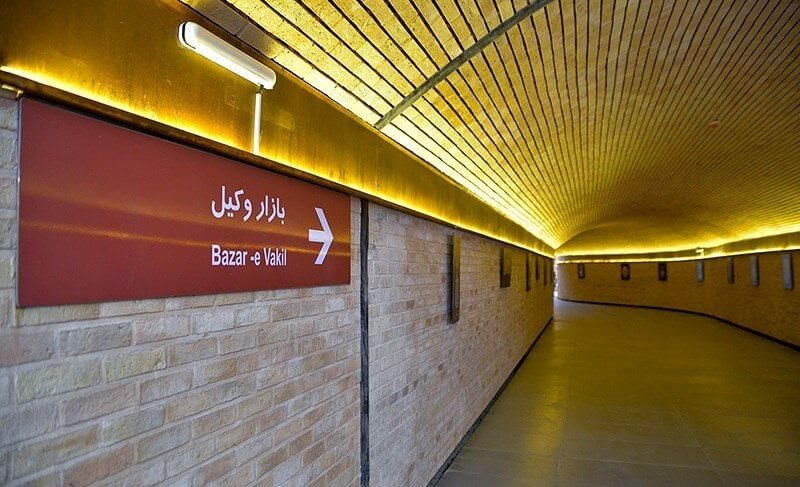
Compassimo-Shiraz Metro Station
Compassimo-car rent in Iran-Pixabay-Mastersenaipo

Private Transportation

For greater convenience and flexibility, private transportation is often the preferred choice for international visitors.

  • Private Taxis – Readily available throughout the city, private taxis provide direct transportation to hotels, attractions, and nearby destinations. While fares are generally reasonable, it’s best to agree on the price beforehand if the taxi is not using a meter.
  • Online Taxis – Ride-hailing apps such as Snapp and Tap30 operate in Kerman, allowing travelers to book rides easily with transparent pricing and cashless payment options.
  • Car Rentals – Renting a car is a good option if you plan to explore attractions outside the city, such as Bam Citadel, Shahdad Desert, Mahan, or Rayen Citadel. However, many travelers prefer hiring a car with a driver, especially for desert excursions and longer day trips.

Getting to Kerman

  • By Air – Kerman International Airport offers regular domestic flights connecting the city with Tehran, Mashhad, Shiraz, Isfahan, and several other destinations.
  • By Train – Kerman is connected to Iran’s railway network, providing comfortable train services to Tehran and other major cities. Overnight trains are a popular option among travelers.
  • By Bus – Modern VIP buses provide frequent and affordable connections to most major cities across Iran.

How do tourists get around Kerman

How do tourists get around Kerman? Most visitors use online taxi apps like Snapp, private taxis, or guided tours for attractions outside the city, while buses and shared taxis offer budget-friendly transportation within Kerman.

Where to Stay in Kerman: Best Hotels

Kerman offers a diverse range of accommodations, from modern luxury hotels to beautifully restored traditional houses. Whether you’re planning a cultural journey through Iran’s historic Silk Road cities or an adventure into the Lut Desert, you’ll find comfortable options to suit every travel style and budget.

Iran Travel Agency - Compassimo

Luxury Hotels (5-Star & High-End)

For travelers seeking premium comfort, elegant design, and excellent service, Kerman’s luxury hotels combine modern amenities with the city’s rich architectural heritage.

  • Pars Hotel Kerman (5) – The city’s leading luxury hotel, offering spacious rooms, beautiful gardens, multiple restaurants, a swimming pool, and modern facilities. Its location and high standards make it a favorite among both business and leisure travelers.
  • Carvanica Boutique Hotel – Set within a beautifully restored historic caravanserai, Carvanica offers a unique blend of traditional Persian architecture and boutique luxury. Staying here feels like stepping back into the Silk Road era while enjoying modern comforts.
  • Kelyas Traditional Hotel – A charming boutique hotel housed in a historic Persian residence. Featuring elegant courtyards, traditional décor, and warm hospitality, it provides an authentic cultural experience in the heart of old Kerman.

Travelers looking for a balance of comfort, convenience, and value will find several excellent mid-range accommodations throughout the city.

  • Hiva Hotel (4) – A modern and comfortable hotel offering stylish rooms, professional service, and easy access to Kerman’s main attractions.
  • Mahva Hotel (4) – Known for its contemporary design and welcoming atmosphere, Mahva provides comfortable accommodations ideal for both short and extended stays.
  • Tourist Inn Hotel (4★) – A reliable choice with spacious rooms and convenient facilities, making it a popular option for travelers exploring Kerman and its surrounding attractions.

For budget-conscious travelers and those seeking a more authentic local experience, Kerman offers several affordable accommodations full of character.

  • Shahbaz Traditional House – A beautifully restored historic home featuring traditional Persian architecture, peaceful courtyards, and a cozy atmosphere. Perfect for travelers wanting to experience local culture firsthand.
  • Asam Hotel (2) – A simple and affordable hotel offering clean rooms, friendly service, and a convenient location for exploring the city on a budget.
  • Akhavan Hotel (2) (Recommended) – One of Kerman’s most popular budget-friendly hotels, known for its good value, comfortable rooms, and reliable service.

Shopping in Kerman: Best Souvenirs & Handicrafts

Kerman has long been an important stop along the ancient Silk Road, and its bazaars still reflect centuries of trade, craftsmanship, and cultural exchange. From world-famous Persian carpets and handwoven textiles to local sweets and traditional handicrafts, shopping in Kerman offers a chance to take home a genuine piece of Iran’s desert heritage. Here’s your guide to the best souvenirs from Kerman and where to find them.

What to Buy in Kerman

Kerman Carpets & Traditional Handicrafts

Kerman Persian Carpets – Kerman is internationally renowned for producing some of Iran’s finest handwoven carpets, admired for their intricate floral patterns, vibrant colors, and exceptional craftsmanship.

Pateh Embroidery – One of Kerman’s most famous handicrafts, Pateh is a traditional needlework art created by local women, featuring colorful embroidered designs on wool fabric.

📍 Where to Buy: Kerman Grand Bazaar, Ganjali Khan Complex, and handicraft shops throughout the city.

Copperware & Traditional Metalwork

Handcrafted Copper Products – Kerman is famous for its copper workshops, producing everything from decorative plates and bowls to tea sets and home décor items.

Traditional Kitchenware – Beautifully engraved copper utensils make both practical and decorative souvenirs.

📍 Where to Buy: Copper Bazaar inside Kerman Grand Bazaar.

Local Textiles, Accessories & Decorative Arts

Traditional Shawls & Textiles – Handmade fabrics inspired by desert culture and Persian designs make excellent gifts and keepsakes.

Kilims & Tribal Weavings – Flat-woven rugs created by nomadic communities from the surrounding region are lighter and often more affordable than carpets.

Handmade Jewelry – Local artisans create unique silver and gemstone jewelry inspired by Kerman’s history and desert landscapes.

📍 Where to Buy: Ganjali Khan Bazaar and local artisan workshops.

Sweets, Dates & Desert Delicacies

Kolompeh – Kerman’s signature pastry filled with dates, nuts, and aromatic spices. It’s one of the most popular souvenirs among visitors.

Dates & Pistachios – The region produces excellent quality dates and pistachios, making them ideal edible gifts.

Cumin (Zireh Kermani) – Kerman is famous throughout Iran for its high-quality cumin, prized for its strong aroma and flavor.

📍 Where to Buy: Traditional sweet shops, spice stores, and the Grand Bazaar.

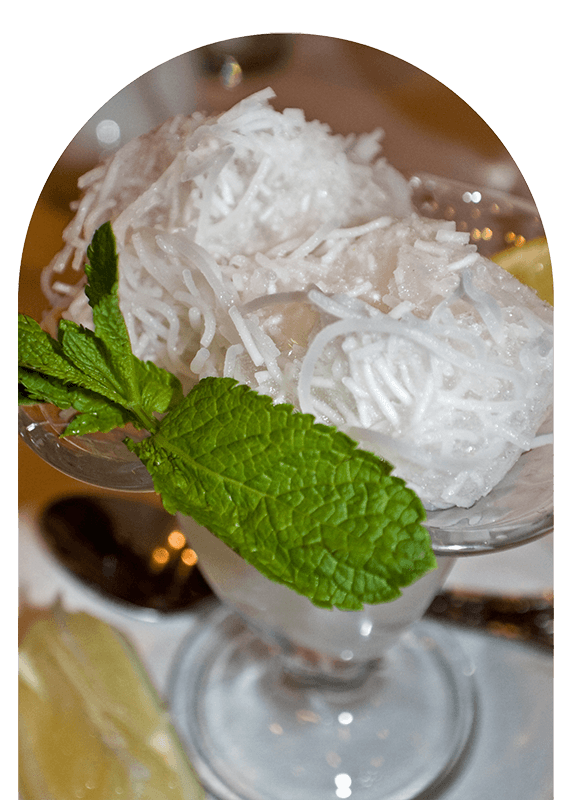
Compassimo-Faloodeh Shiraz-Shirazi Sweets and Desserts

📷 Photo by RKA11111, via Wikimedia Commons

Where to Shop in Shiraz

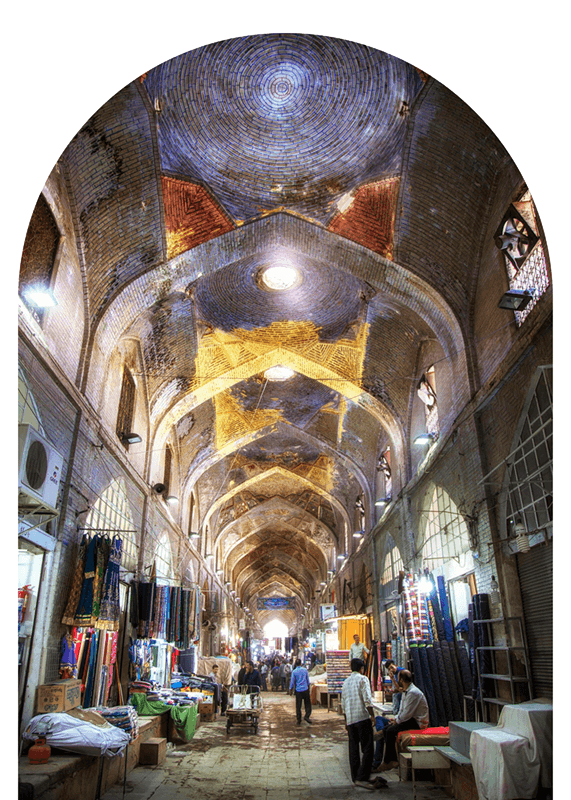
Compassimo-Vakil Bazaar shopping in Shiraz

📷 Photo by Hansueli Krapf, via Wikimedia Commons

Kerman Grand Bazaar

One of Iran’s longest and most historic bazaars, stretching through the heart of the old city. Here you’ll find carpets, spices, copperware, textiles, handicrafts, and traditional sweets all under beautiful vaulted ceilings.

💡 Tip: The bazaar is best explored slowly. Don’t hesitate to compare prices between different shops before making larger purchases.

Ganjali Khan Complex

More than just a historical attraction, this Safavid-era complex remains one of the city’s best places for shopping. The surrounding bazaar features traditional artisans, copper workshops, and handicraft stores.

💡 Tip: Visit in the morning when artisans are actively working and you can watch traditional crafts being produced.

Traditional Handicraft Workshops

Several small family-run workshops throughout the old city specialize in Pateh embroidery, copper engraving, and carpet weaving. These are excellent places to purchase authentic handmade products directly from local craftsmen.

💡 Tip: Buying directly from artisans often provides a more authentic experience and helps support local traditions.

Modern Shopping Centers

For everyday shopping, clothing, and contemporary products, Kerman also has several modern malls and shopping centers scattered throughout the city.

💡 Tip: Traditional bazaars are generally the best choice for authentic souvenirs, while modern malls are useful for practical purchases and local brands.

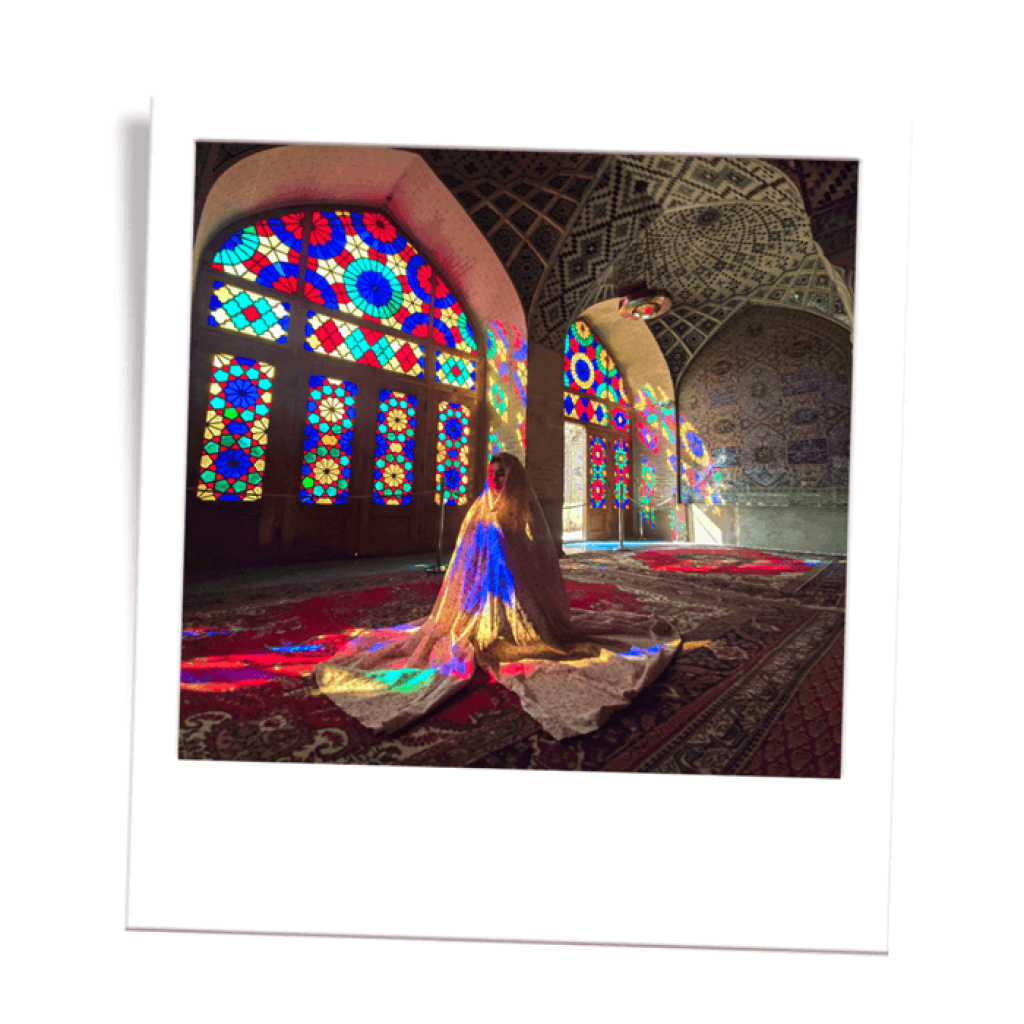
Compassimo- Photo frame of a Tourist in Nasir Al Molk Mosque in Shiraz

Top Attractions in Kerman: 10 Must-Visit Places

Kerman is one of Iran’s oldest cities, where desert landscapes, ancient monuments, and centuries of Silk Road history come together. From magnificent bazaars and historic gardens to UNESCO-listed citadels and otherworldly desert scenery, Kerman offers a unique blend of culture, architecture, and adventure. Whether you’re fascinated by Persian history, traditional craftsmanship, or natural wonders, these top highlights will introduce you to the best of Kerman and its surroundings.

Travel Your Way -How to Spend 3 Days in Kerman

Kerman is where desert landscapes, ancient citadels, Persian gardens, and centuries of Silk Road history come together. As one of the oldest cities in Iran, it offers a fascinating mix of cultural heritage and natural wonders. Whether you’re interested in exploring historic bazaars, discovering UNESCO-listed landmarks, or watching the sunset over the dramatic Kaluts of the Lut Desert, Kerman promises an unforgettable journey. This suggested 3-day itinerary covers the city’s highlights while leaving room for authentic local experiences and hidden gems.

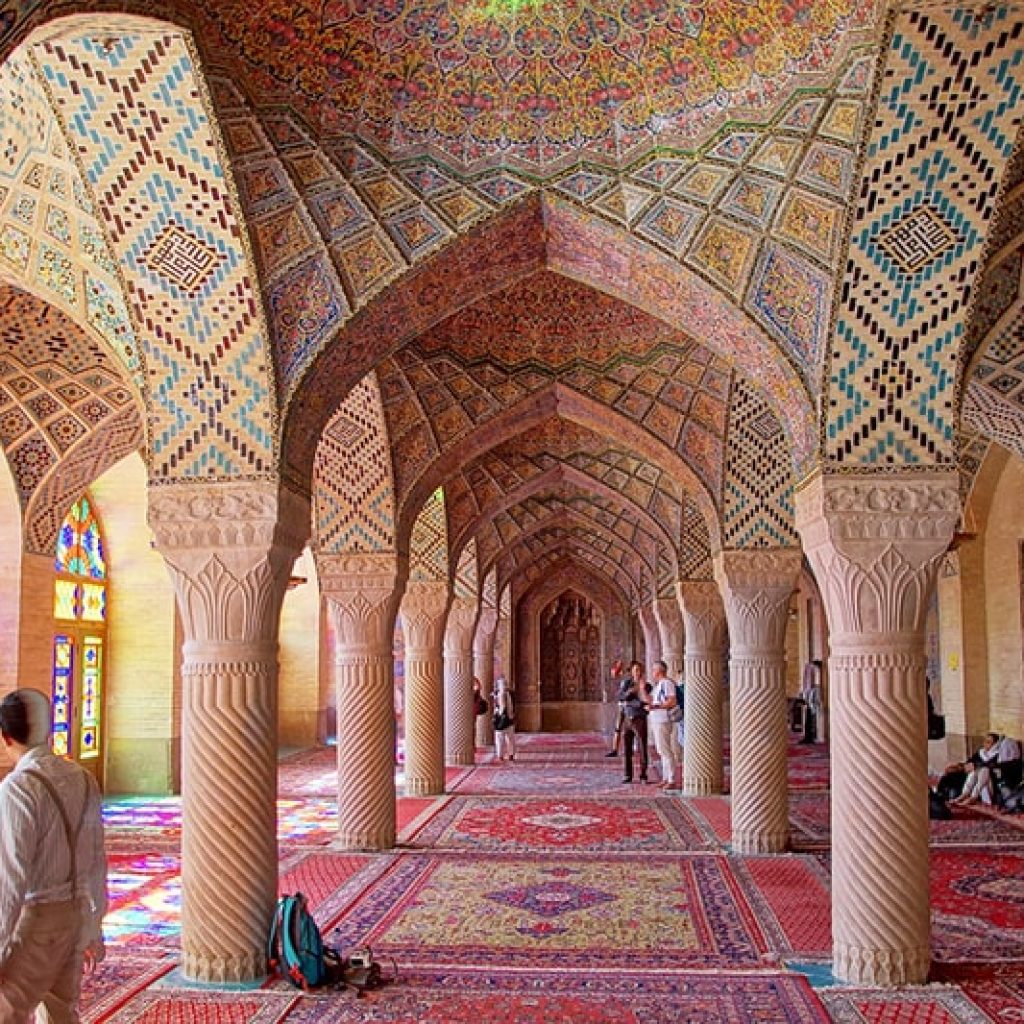
Compassimo-Pink Mosque in Shiraz-Iran

Day 1: Discover Historic Kerman

Begin your adventure by exploring the cultural heart of Kerman, a city that has welcomed merchants and travelers for centuries.

  • Harandi Garden & Museums – Start the day in this peaceful Qajar-era garden, home to museums dedicated to archaeology and traditional musical instruments.
  • Kerman National Library – Visit one of the city’s important cultural landmarks, housing thousands of books and historical documents.
  • Traditional Kermani Lunch – Enjoy local specialties at a traditional restaurant. Don’t miss famous regional dishes and desserts such as Kolompeh, Ghavoot, and Faludeh Kermani.
  • Ganjali Khan Complex – Spend the afternoon exploring Kerman’s most famous historical complex. Built during the Safavid era, it includes a beautiful bazaar, caravanserai, bathhouse, water reservoir, and mosque, all showcasing remarkable Persian architecture.
  • Kerman Grand Bazaar – Wander through one of Iran’s longest historic bazaars, where copper workshops, spice shops, carpet merchants, and traditional handicraft stores create a vibrant atmosphere.
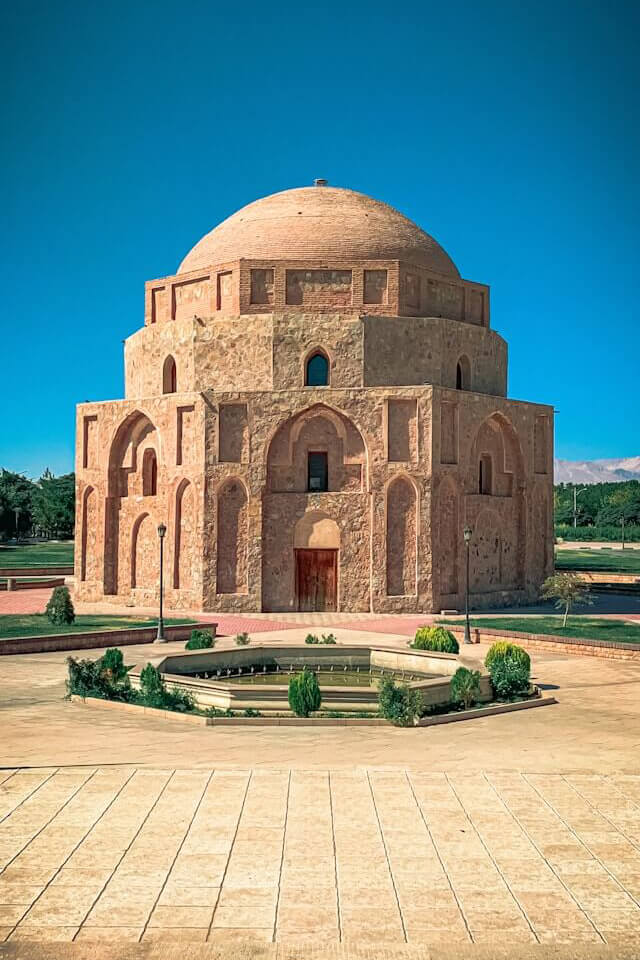
  • Jabalieh Dome – Visit this mysterious octagonal stone structure, one of Kerman’s most unique and intriguing monuments.
  • Fathabad Garden – End the day with a relaxing walk through this beautifully restored Persian garden, especially magical at sunset when its reflection fills the central pool.

💡 Pro tip: Kerman is famous for its sweets and spices. Pick up some fresh Ghavoot or Kolompeh from the bazaar before returning to your hotel.

Day 2: Citadels, Gardens & UNESCO Heritage

Today you’ll discover some of Kerman Province’s most impressive historical treasures, located just outside the city.

  • Shah Nematollah Vali Shrine – Begin your excursion in Mahan, visiting the beautiful shrine complex of the renowned Persian poet, mystic, and Sufi master.
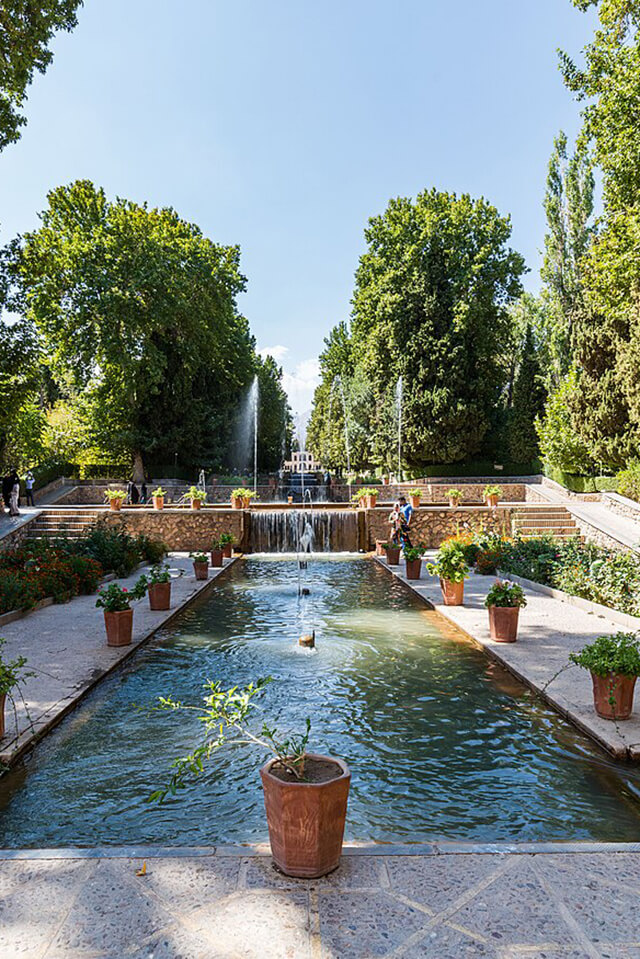
  • Shazdeh Garden (Prince Garden) – Explore one of Iran’s finest Persian gardens and a UNESCO World Heritage Site. Its fountains, cypress trees, and elegant pavilions create a stunning oasis at the edge of the desert.
  • Rayen Citadel (Arg-e Rayen) – Continue to one of the world’s largest adobe fortresses. Often compared to Bam Citadel, this remarkably preserved mud-brick city offers a fascinating glimpse into life along ancient trade routes.
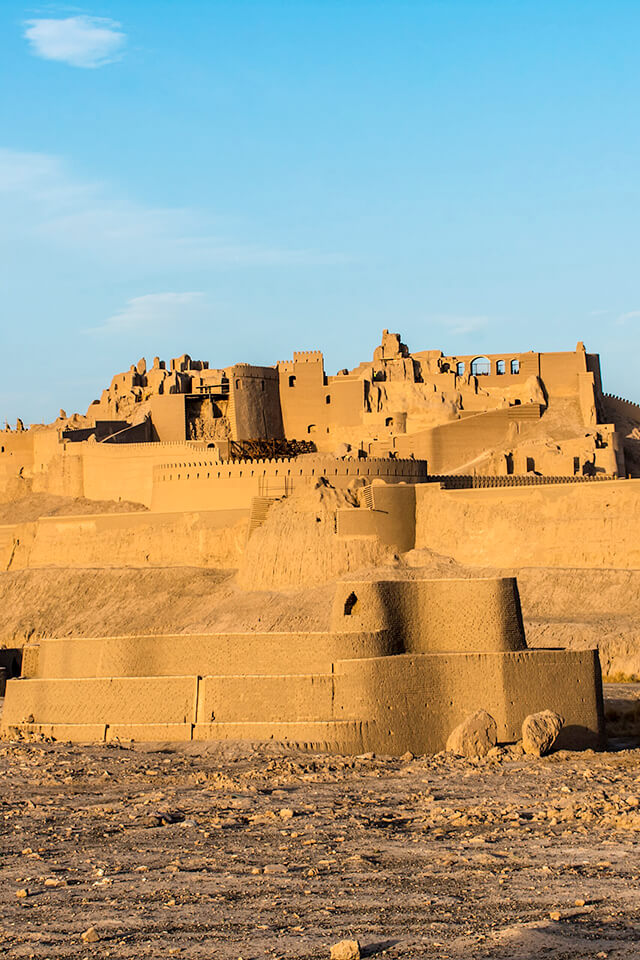
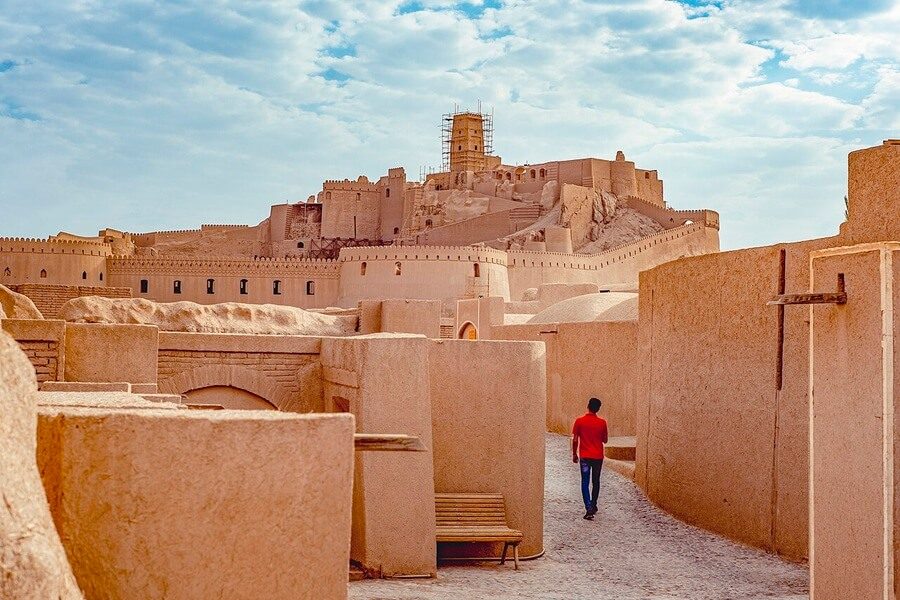
  • Bam Citadel (Arg-e Bam) – Visit Iran’s largest mud-brick structure and one of the country’s most iconic UNESCO World Heritage Sites. Despite the devastating earthquake of 2003, extensive restoration work has helped revive this extraordinary ancient city.

💡 Pro tip: Hiring a local guide at Bam or Rayen will greatly enrich your experience by bringing the stories of these ancient citadels to life.

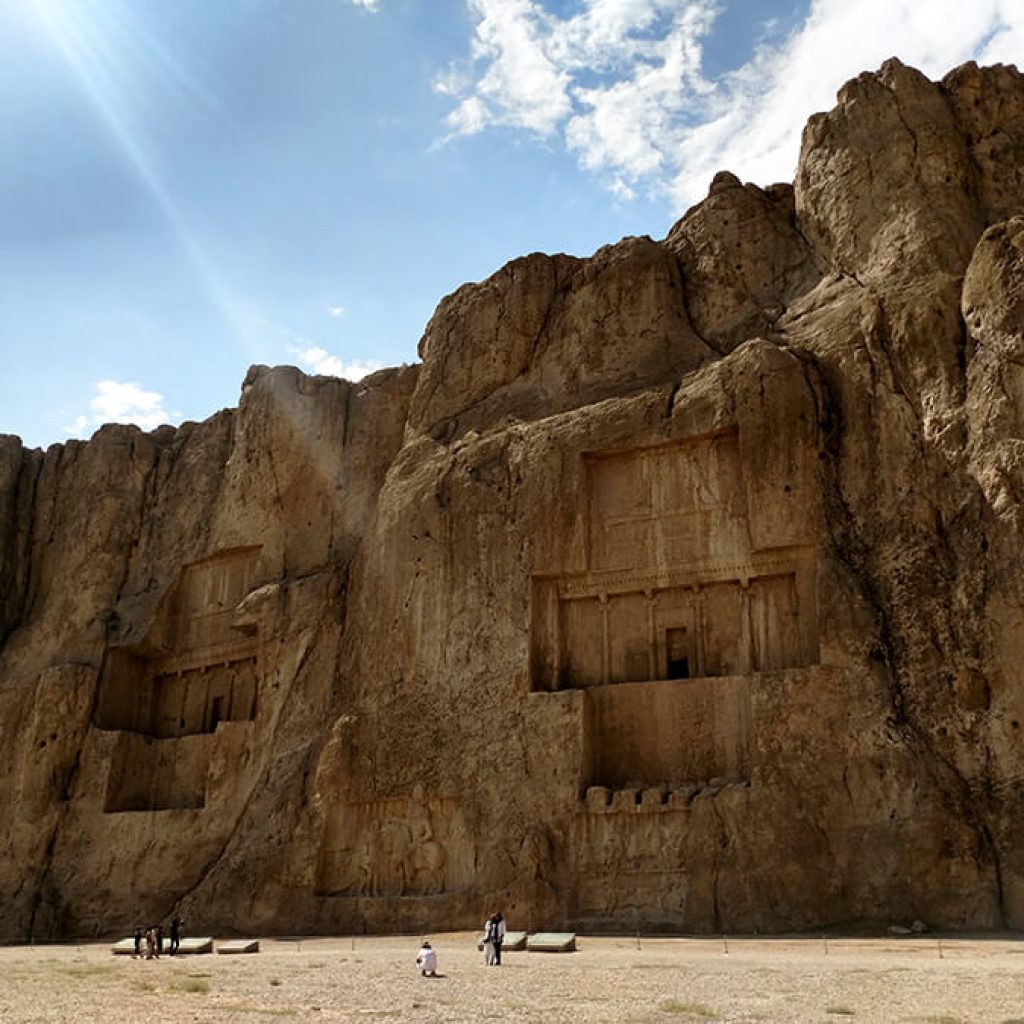
Compassimo-Naghsh-e Rustam Necropolis Landscape in Shiraz-Iran
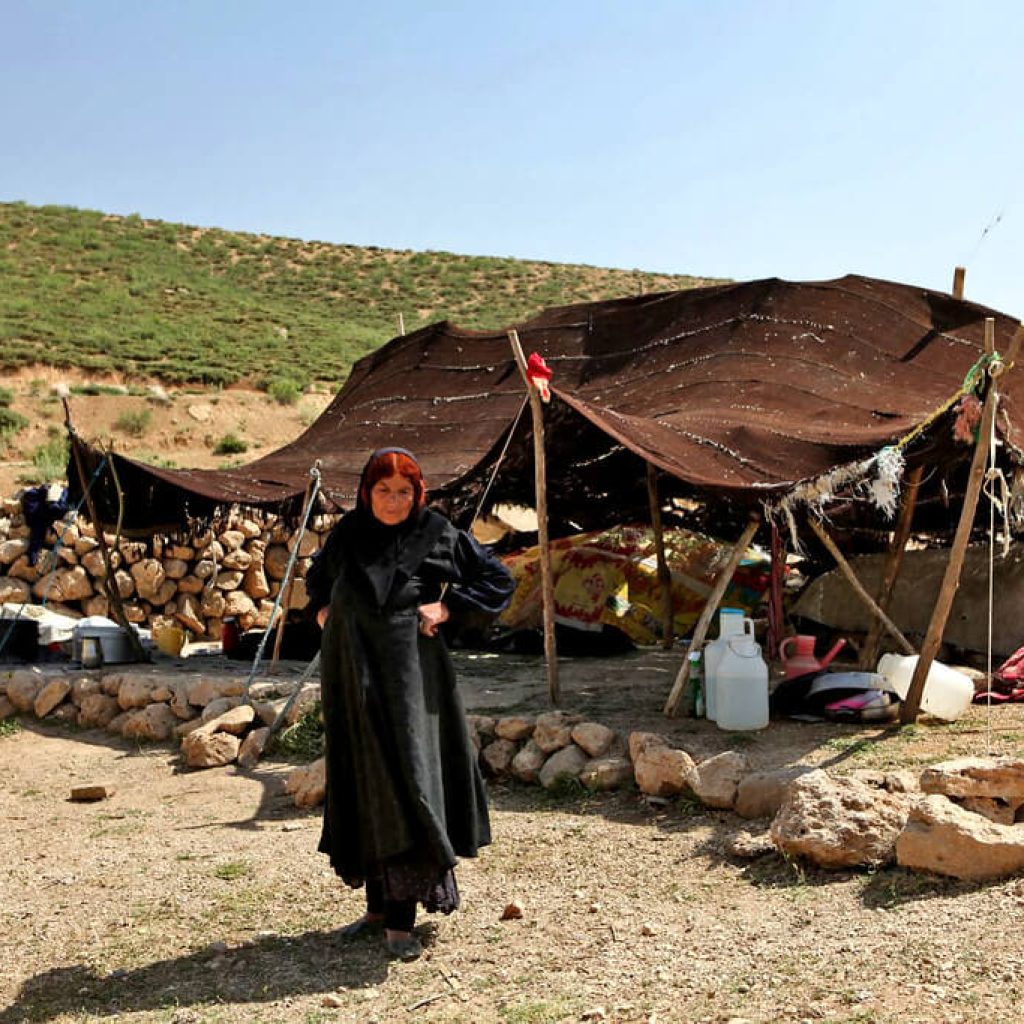
Compassimo-Qashqai Nomads in Shiraz-Fars Province

📷 Photo by ninara on Flickr

Day 3: Into the Lut Desert

Spend your final day exploring one of the most spectacular desert landscapes on Earth.

  • Drive to Shahdad – Travel through the desert plains east of Kerman toward Shahdad, the gateway to the famous Lut Desert.
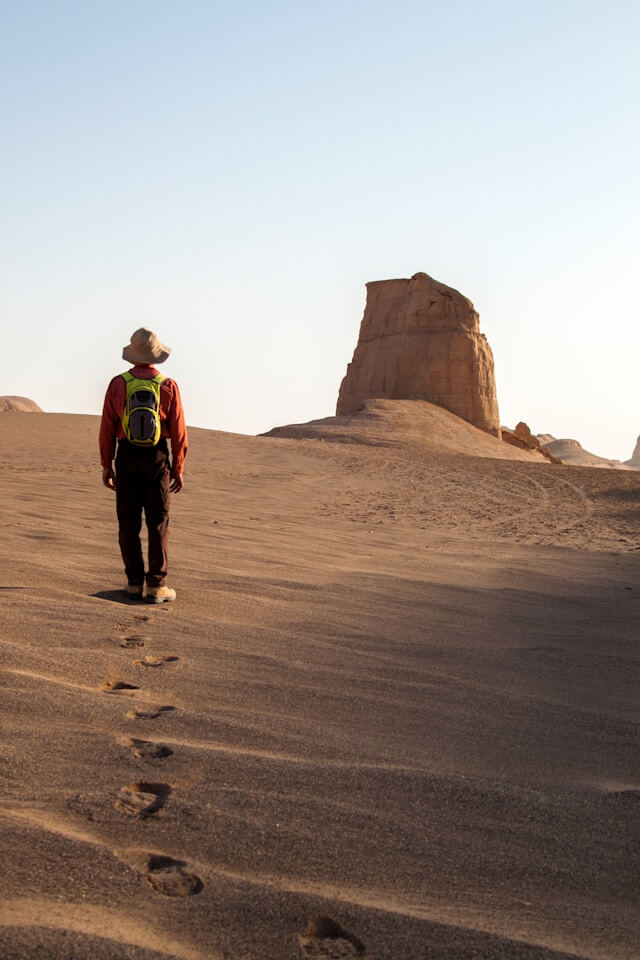
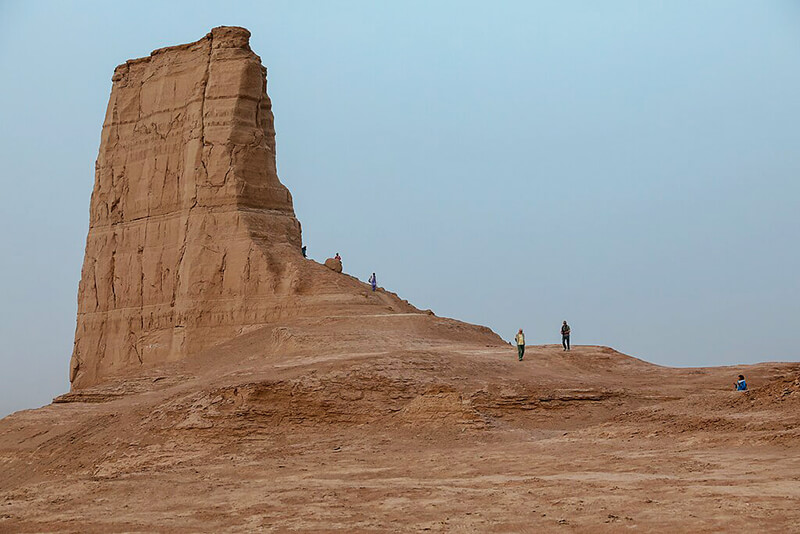
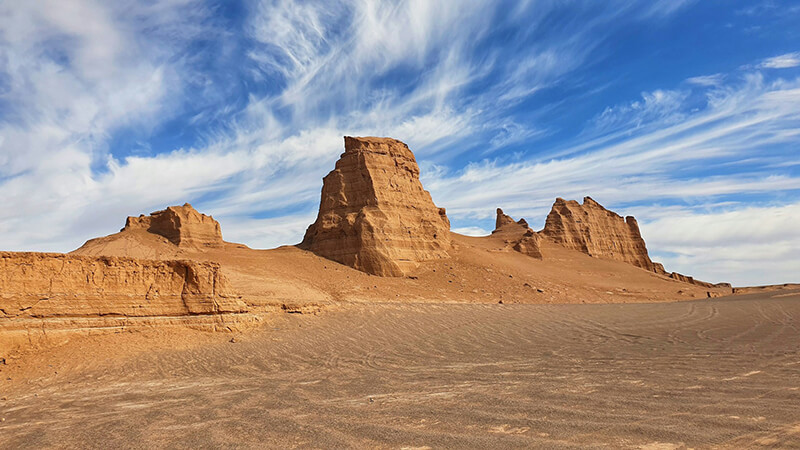
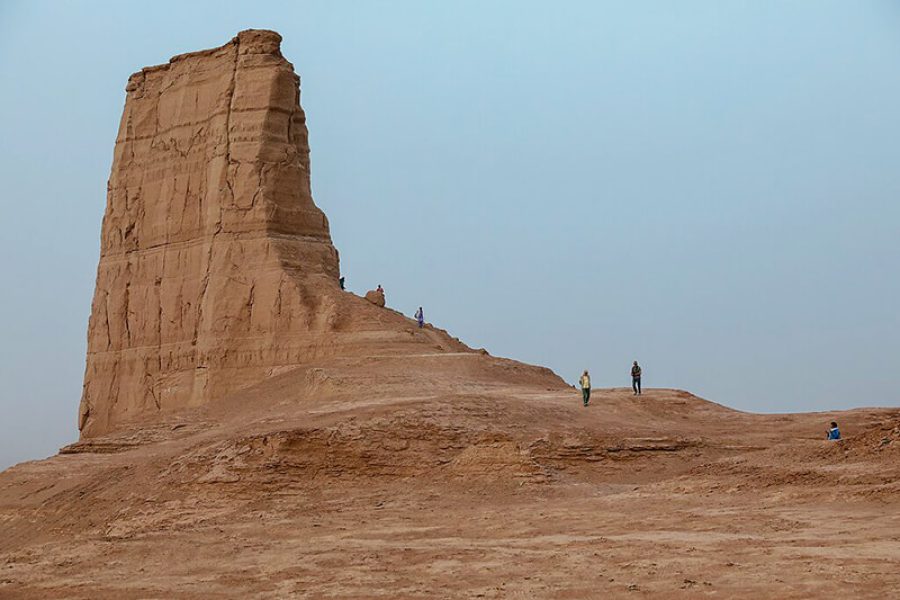
  • Kaluts of Shahdad – Witness the extraordinary natural formations carved by wind and time. These towering sand and clay ridges create one of Iran’s most breathtaking landscapes and are considered among the highlights of the UNESCO-listed Lut Desert.
  • Desert Exploration – Enjoy photography opportunities, short walks among the formations, and panoramic viewpoints overlooking the desert.
  • Sunset in the Kaluts – Stay until late afternoon to watch the changing colors of the desert as the sun sets over the horizon.

💡 Pro tip: Autumn and spring offer the most comfortable temperatures for desert exploration, while sunset provides the best lighting for photography.

Kerman Tours & Trips FAQs

Kerman is located in southeastern Iran and is the capital of Kerman Province. Situated on the edge of Iran's vast desert regions, the city has historically been an important stop along the Silk Road. Kerman lies approximately 1,000 km southeast of Tehran and serves as a gateway to attractions such as the Lut Desert, Bam Citadel, and Shazdeh Garden.

Yes. Kerman is one of Iran's most rewarding destinations for travelers interested in history, architecture, and desert landscapes. With UNESCO World Heritage Sites, ancient bazaars, Persian gardens, and access to the Lut Desert, Kerman offers a unique experience that differs from cities like Tehran, Isfahan, and Shiraz.

The best time to visit Kerman is during spring (March to May) and autumn (September to November), when temperatures are pleasant for sightseeing and desert excursions. Autumn is especially popular for visiting Shahdad and the Lut Desert.

Most travelers spend 2 to 4 days in Kerman. This allows enough time to explore the city, visit Mahan and Rayen, and take a day trip to Shahdad and the Lut Desert. Those interested in photography or desert adventures may wish to stay longer.

Kerman is easy to navigate using taxis, ride-hailing apps like Snapp, and local buses. Most visitors use taxis or private drivers for convenience, especially when visiting attractions outside the city such as Bam, Rayen, Mahan, and Shahdad.

Top attractions include Ganjali Khan Complex, Kerman Grand Bazaar, Jabalieh Dome, Fathabad Garden, Shazdeh Garden, Shah Nematollah Vali Shrine, Rayen Citadel, Bam Citadel, and the spectacular Kaluts of the Lut Desert.

Yes. Kerman is the main gateway to the UNESCO-listed Lut Desert. Most travelers visit Shahdad and the Kaluts on a day trip, while others choose to stay overnight in a desert camp to enjoy sunset, stargazing, and desert activities.

Yes. Bam Citadel and Rayen Citadel are often combined into a full-day excursion from Kerman. Many tours also include stops at Shazdeh Garden and the Shah Nematollah Vali Shrine in Mahan.

Kerman is known for traditional specialties such as Boz Ghormeh, Ash-e Shooli, Kolompeh (date-filled pastry), Faludeh Kermani, and Ghavoot, a nutritious blend of roasted nuts, seeds, and spices unique to the region.

The best place to shop is the historic Kerman Grand Bazaar and the surrounding Ganjali Khan Complex. Popular souvenirs include Kerman carpets, Pateh embroidery, copper handicrafts, Kolompeh sweets, dates, pistachios, and the famous Kermani cumin (Zireh Kermani).