

10 Days 9 Nights
Daily Tour
7 people
English
Travel through more than three millennia of Iranian history on this 10-Day Iran Archaeological Tour, designed for travelers who want to explore Iran beyond its famous monuments. From the ancient Median capital of Hegmataneh and the Elamite cities of Susa and Chogha Zanbil to the imperial centers of Persepolis and Pasargadae, the journey follows the rise, development, and transformation of some of the most important civilizations of ancient Iran.
The route takes you across western, southwestern, and southern Iran, visiting archaeological sites from the Median, Achaemenid, Elamite, Parthian, and Sassanian periods. You will see the famous inscription of Darius at Bisotun, explore the ancient hydraulic engineering of Shushtar, stand before the great ziggurat of Chogha Zanbil, and discover Sassanian cities, palaces, fortresses, and rock reliefs around Bishapur and Firuzabad.
The experience is designed around interpretation, not simply sightseeing. A professional English-speaking archaeology guide accompanies the journey, with introductory and site-based explanations that help connect each archaeological landscape to the civilization that created it.
From the earliest kingdoms of the Iranian Plateau to the monumental achievements of the Achaemenid and Sassanian empires, this is a journey through the archaeological story of Iran itself.
If you prefer a deeper and longer archaeological journey? Explore our 14-Day Iran Archaeology Tour.
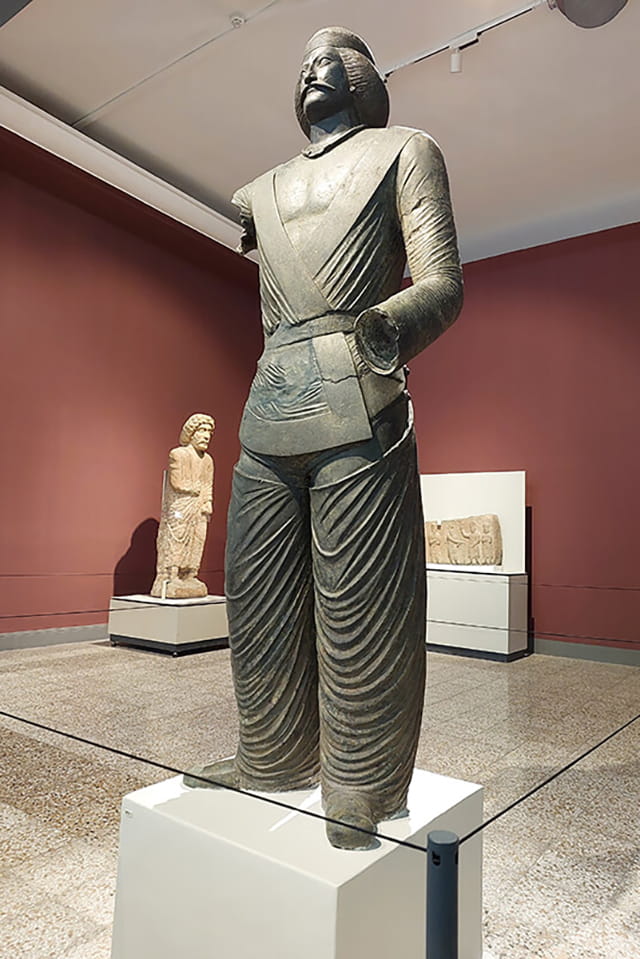
Welcome to Iran. Upon arrival at Imam Khomeini International Airport, you will be met and transferred to your hotel in Tehran.
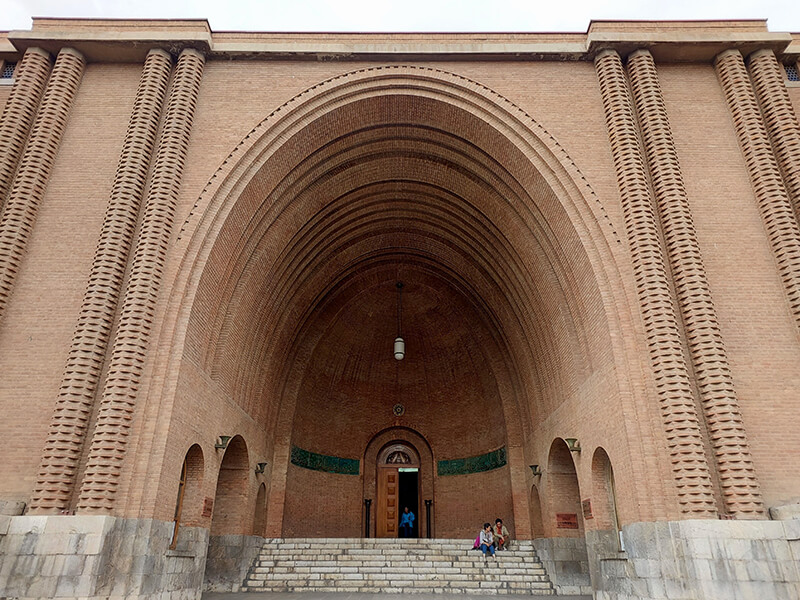
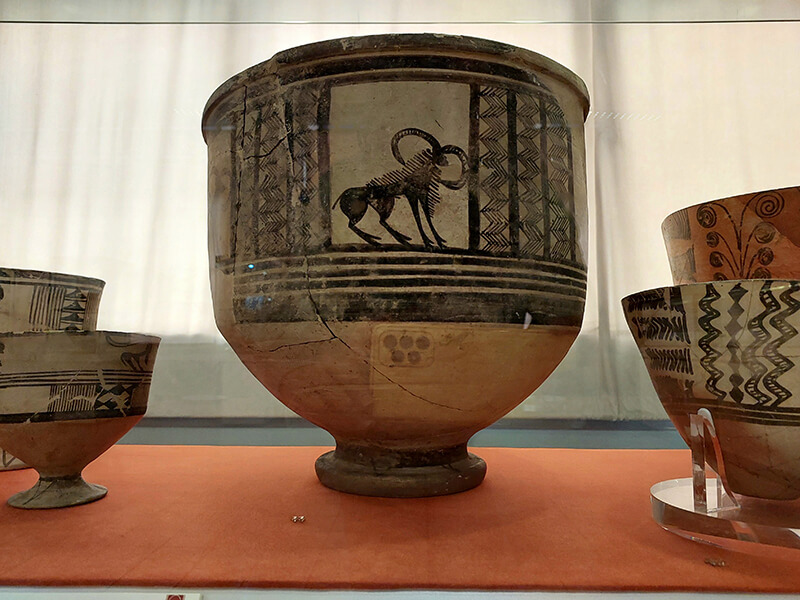
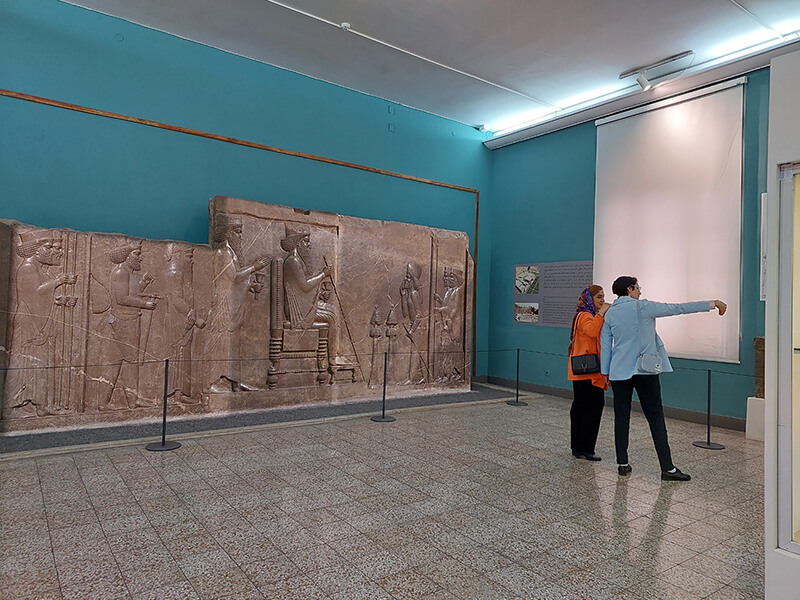
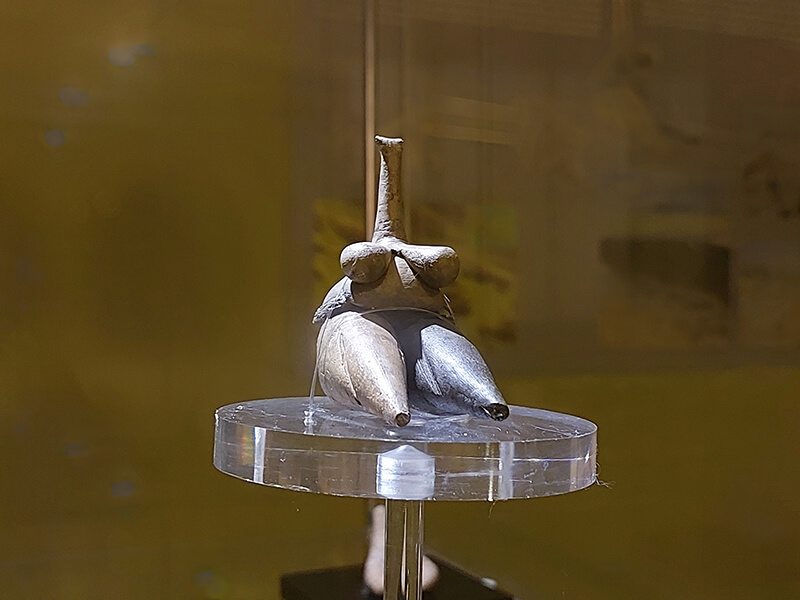
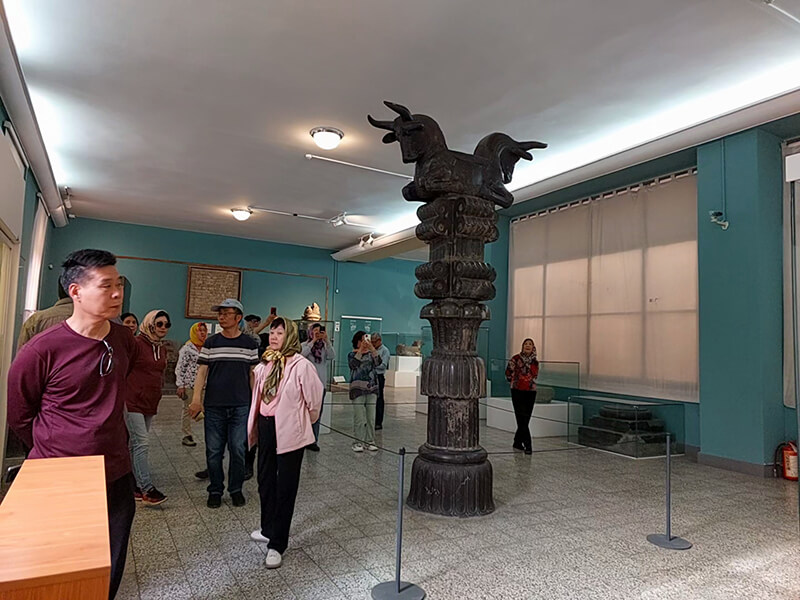
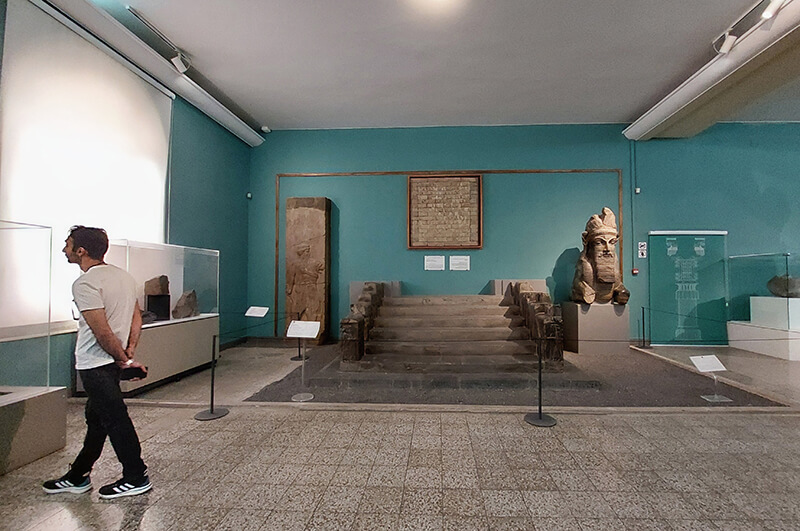
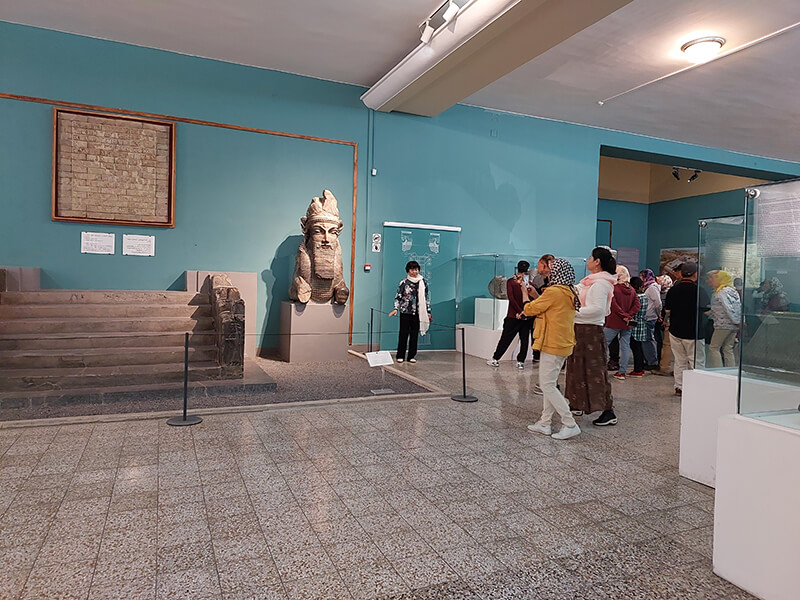
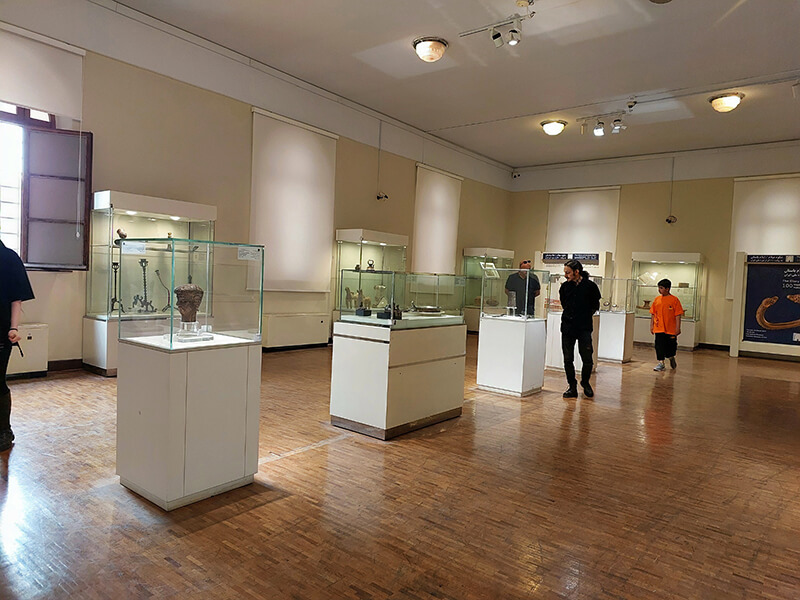
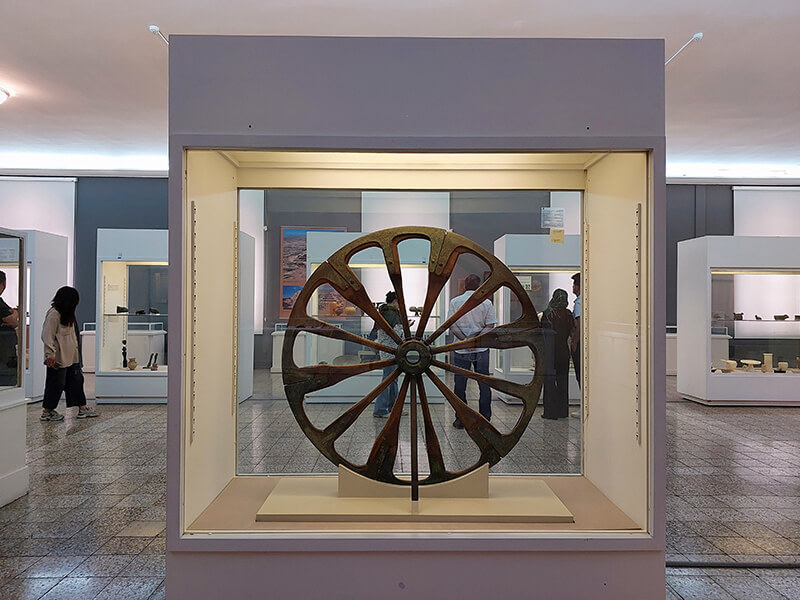
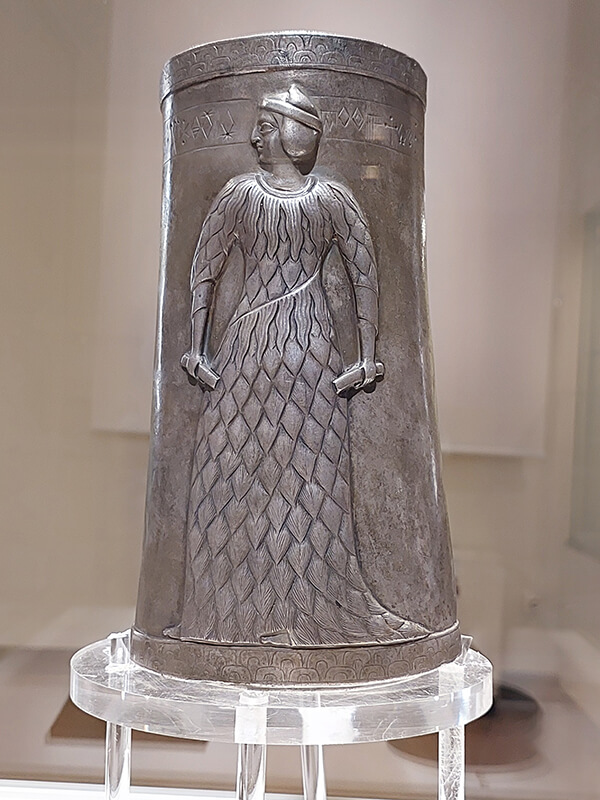
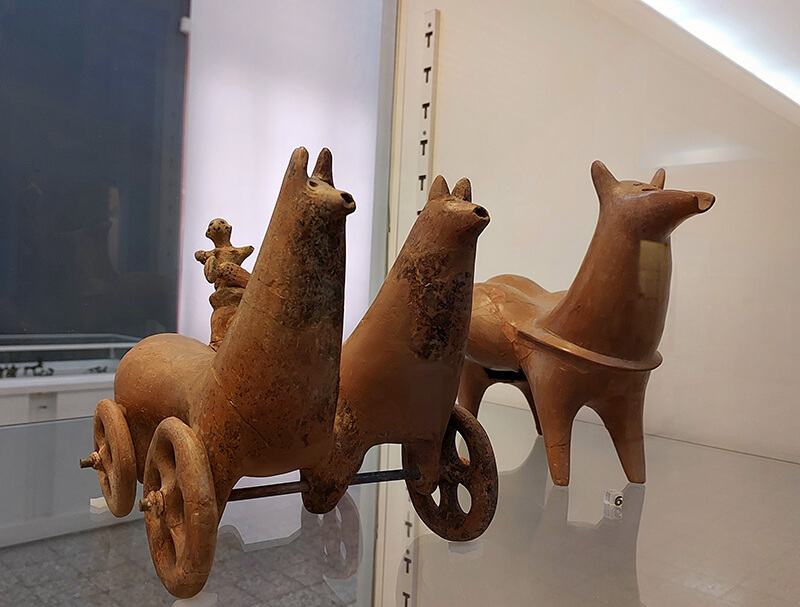
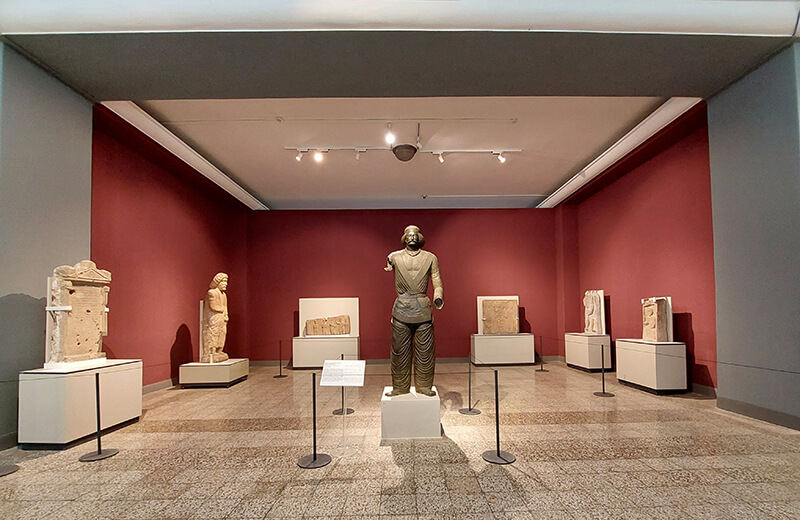
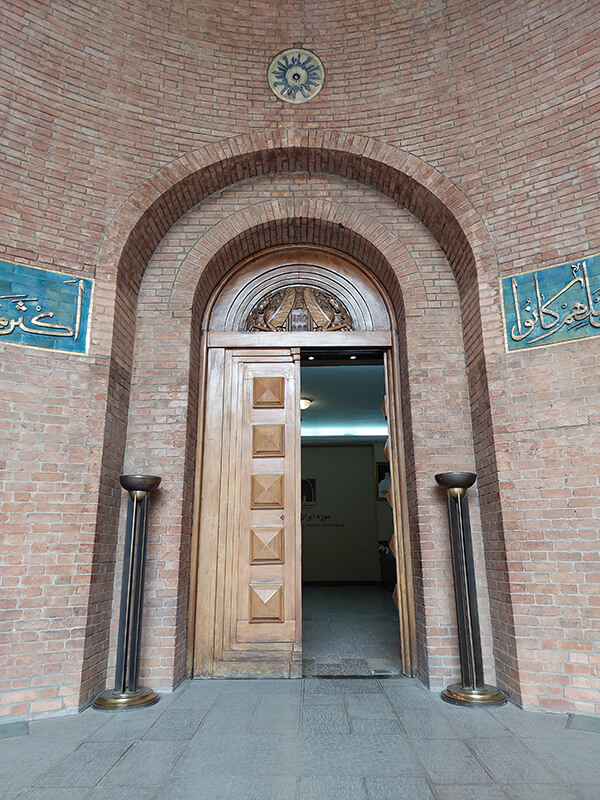
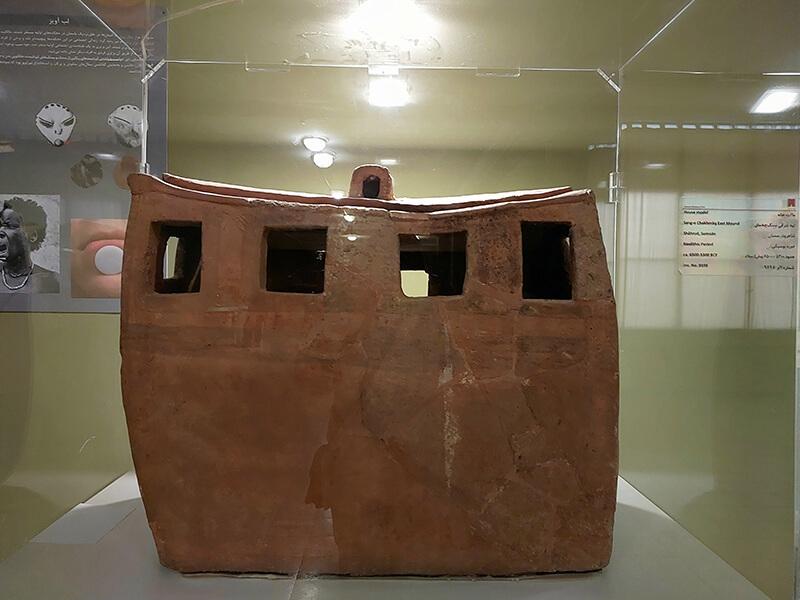
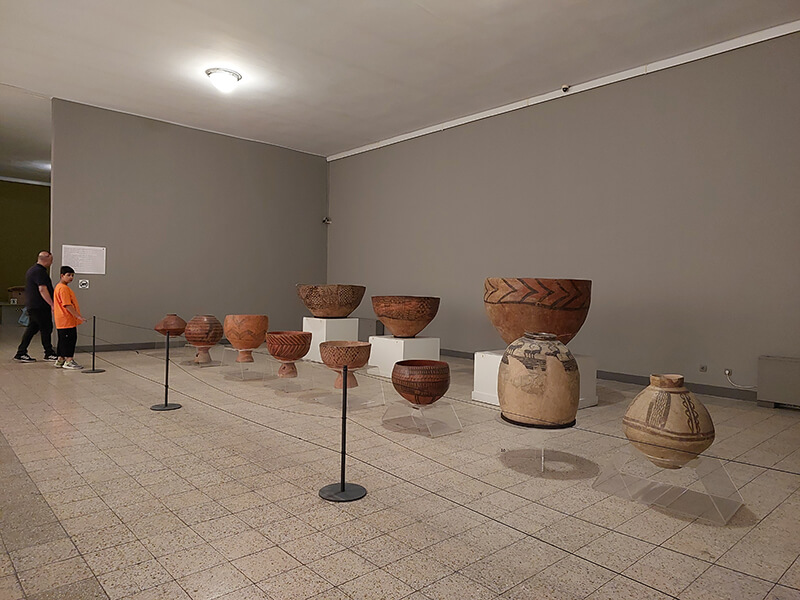
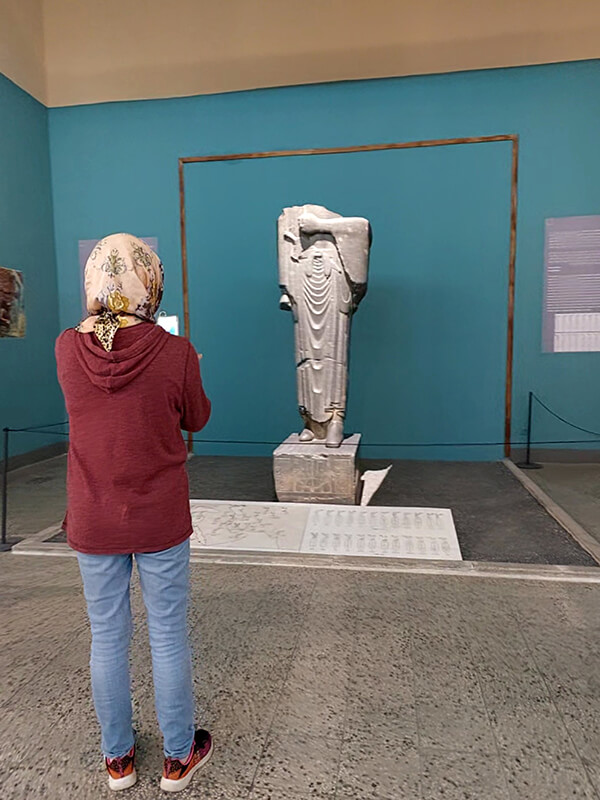
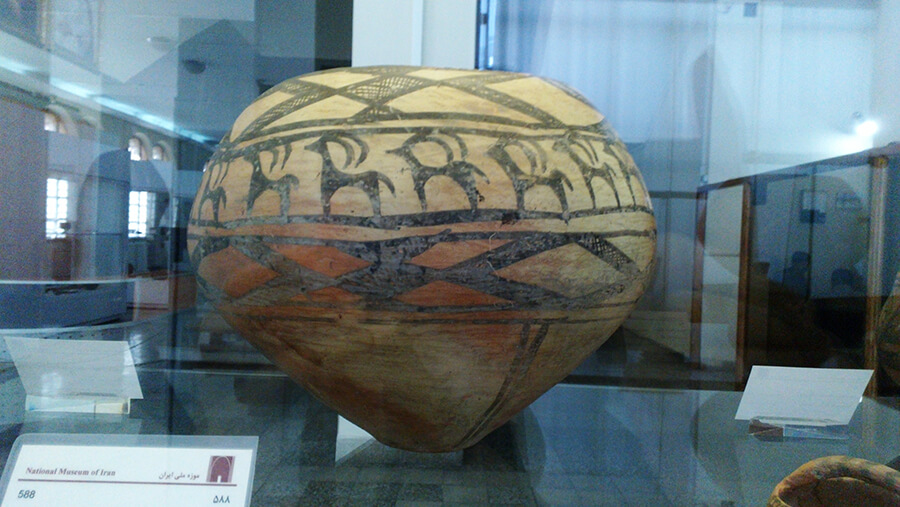
After check in, we begin our archaeological journey with visiting the National Museum of Iran, home to one of the country's most important collections of archaeological treasures. From prehistoric pottery and early settlements to imperial Persian artifacts, the museum offers an excellent foundation for understanding Iran’s rich archaeological heritage.
Later, we'll have our introductory lecture that provides an overview of Iran’s major civilizations, from the Elamites and Medes to the Achaemenids, Parthians, and Sassanians. This introduction helps place the sites we will visit throughout the tour into their historical context.
Overnight in Tehran

After breakfast, we leave Tehran and travel west toward Hamedan, one of the oldest continuously inhabited cities in the world and the ancient capital of the Median Empire.
Our first major stop is Hegmataneh Archaeological Site, associated with ancient Ecbatana, the royal capital of the Medes. Excavations have revealed extensive urban remains that provide valuable insight into one of Iran’s earliest kingdoms.
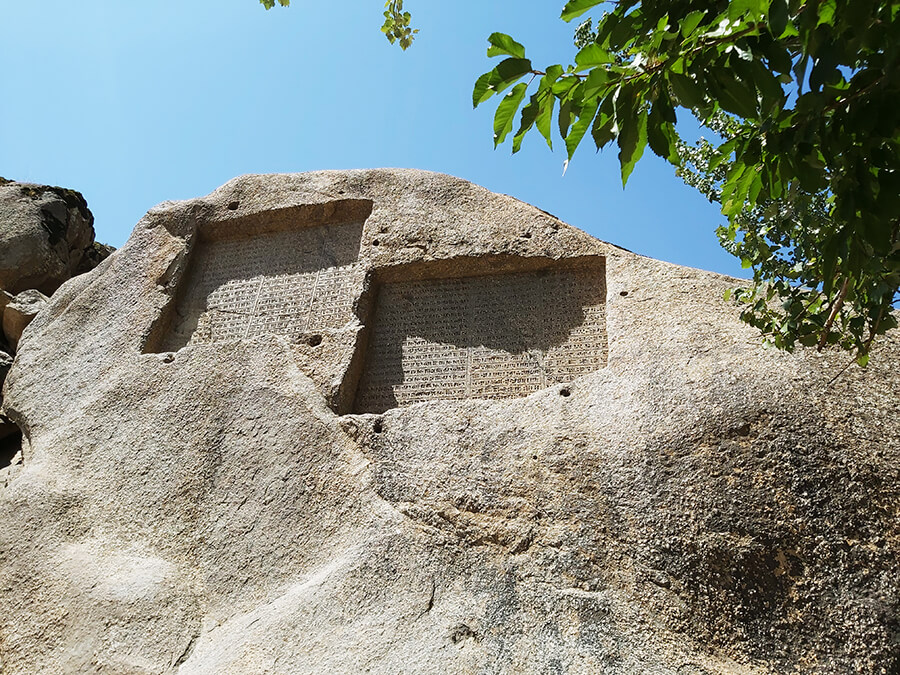
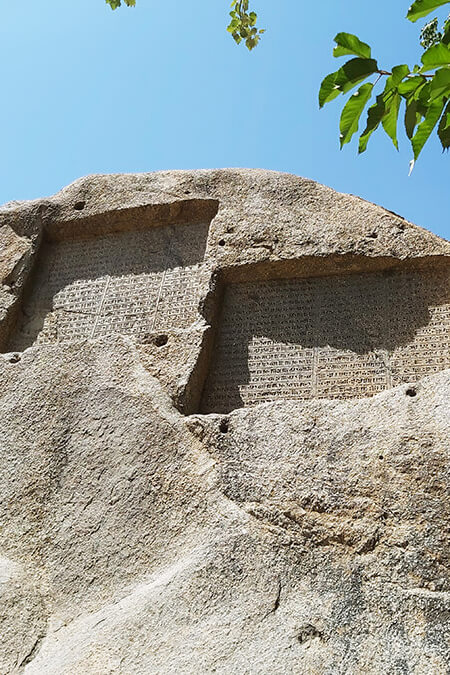
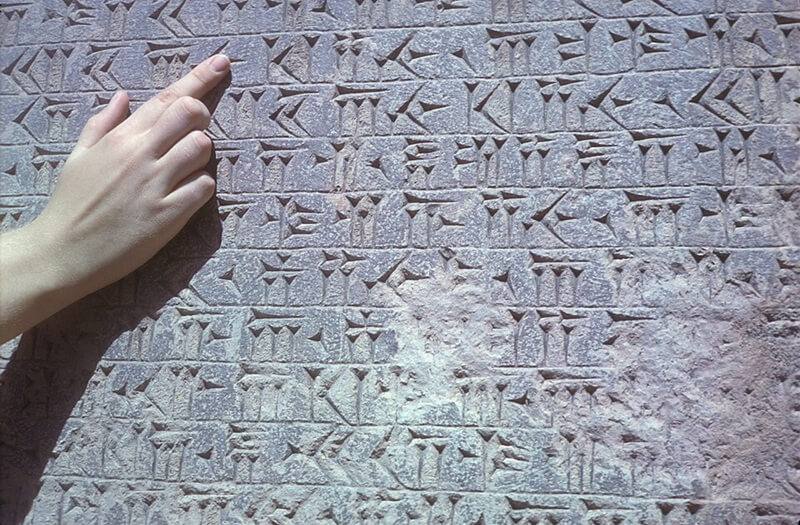
Later, we visit the remarkable Ganjnameh Inscriptions, where the words of Darius the Great and Xerxes were carved into the mountainside more than 2,500 years ago. These trilingual inscriptions offer an important connection to the Achaemenid Empire and its administrative achievements.
Overnight in Hamedan
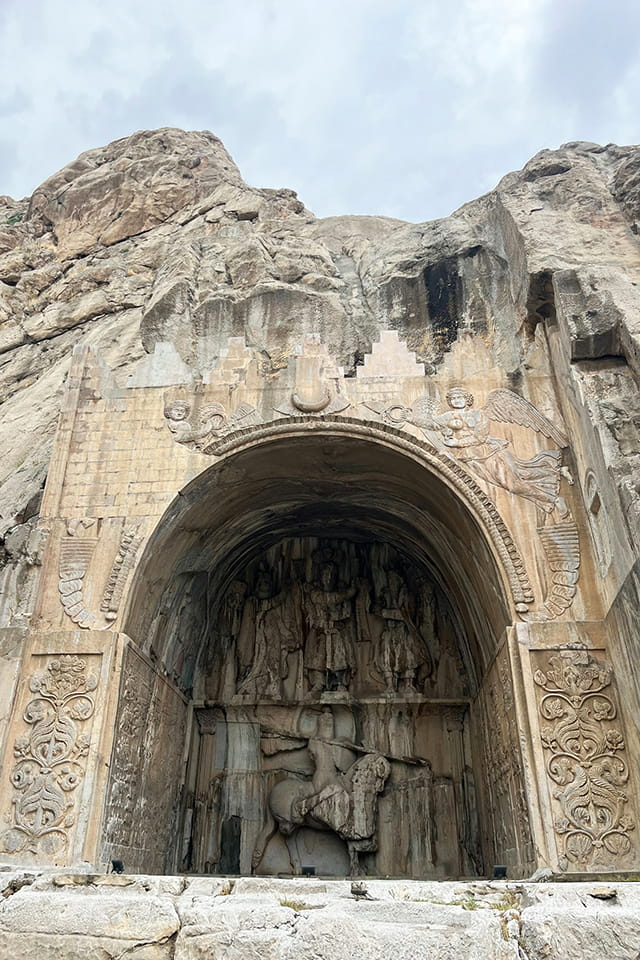
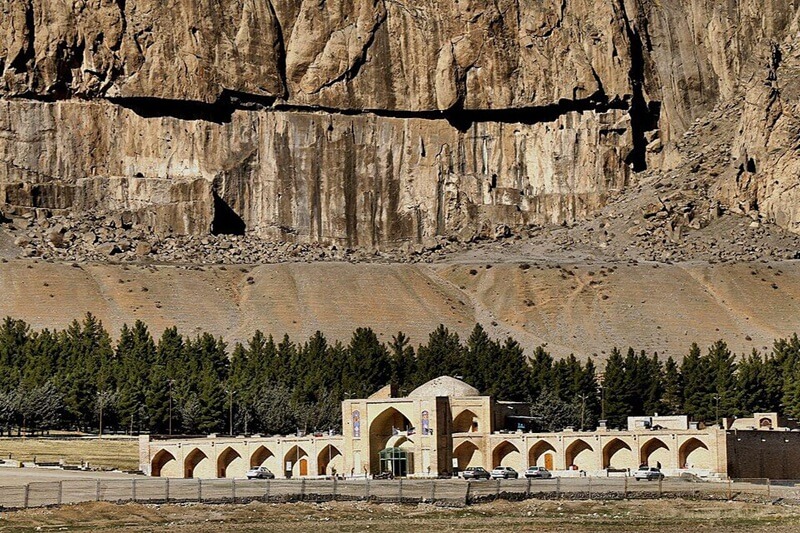
This morning, we continue toward Kermanshah, stopping first at the impressive Anahita Temple in Kangavar. Although its exact purpose remains debated, it is one of the largest ancient stone monuments in western Iran.
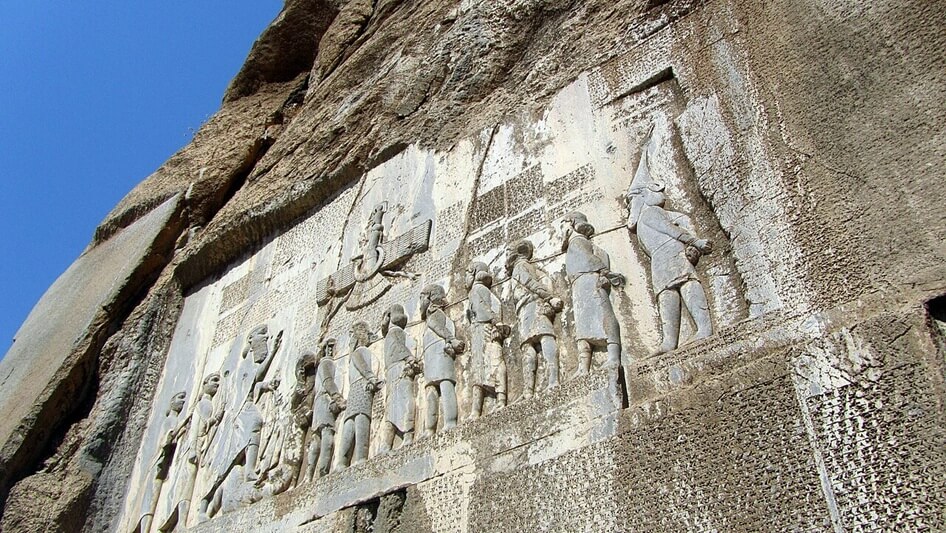
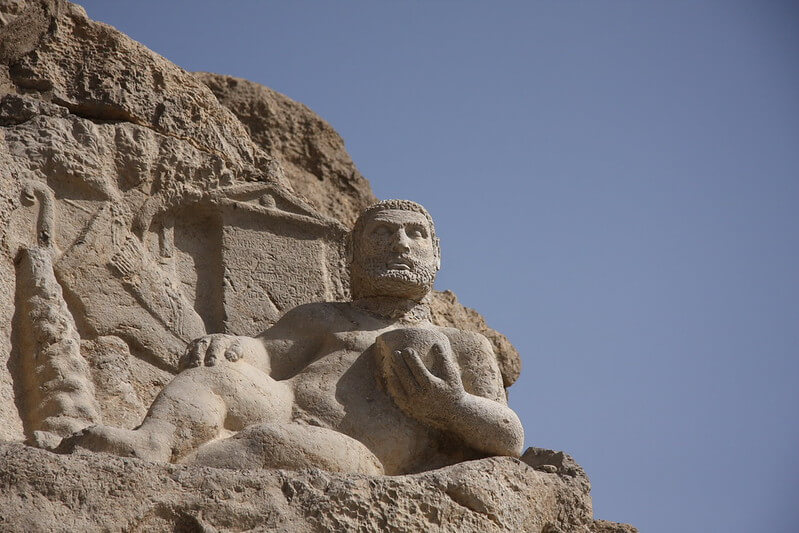
We then arrive at Bisotun, a UNESCO World Heritage Site and one of the most important archaeological locations in the Near East. The famous inscription of Darius the Great has often been compared to the Rosetta Stone because of its crucial role in deciphering ancient cuneiform scripts. The site also contains monuments from several different historical periods, illustrating thousands of years of occupation.
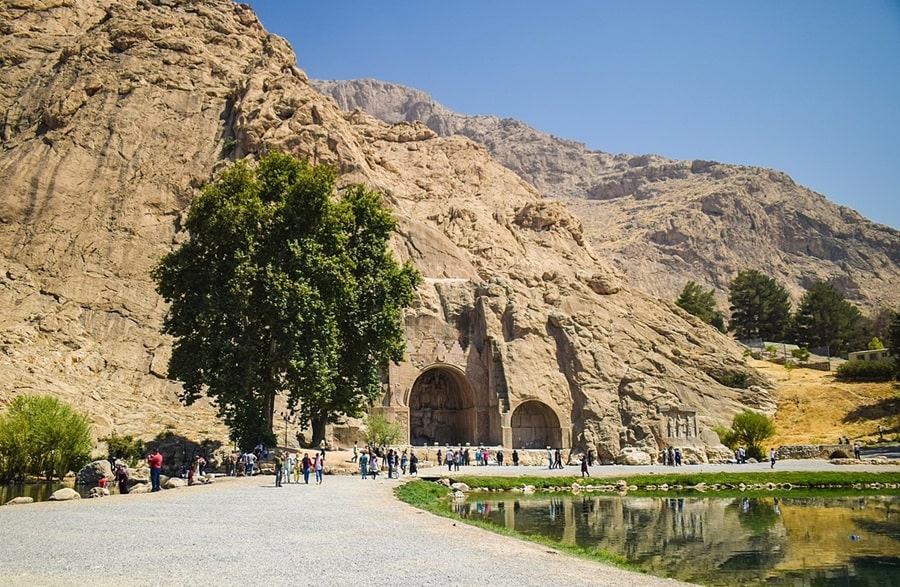
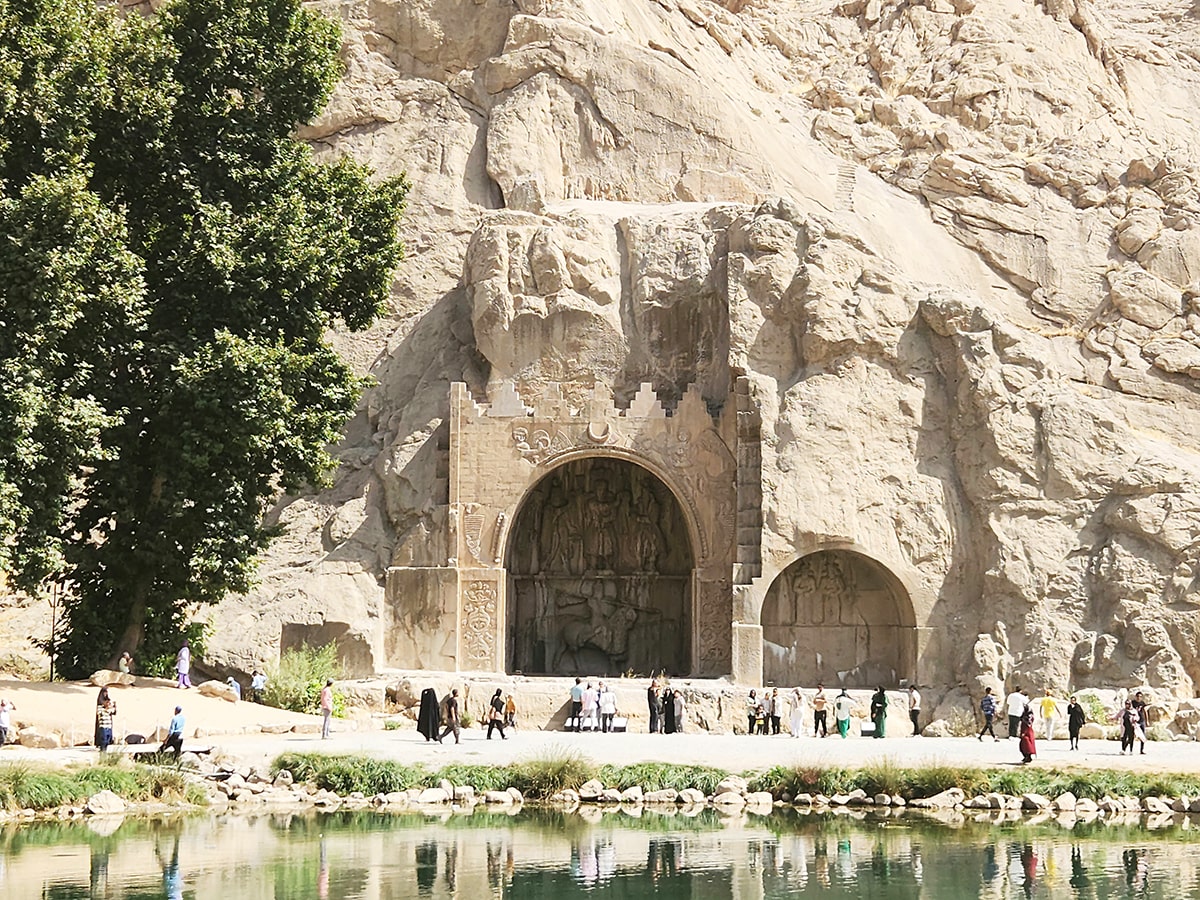
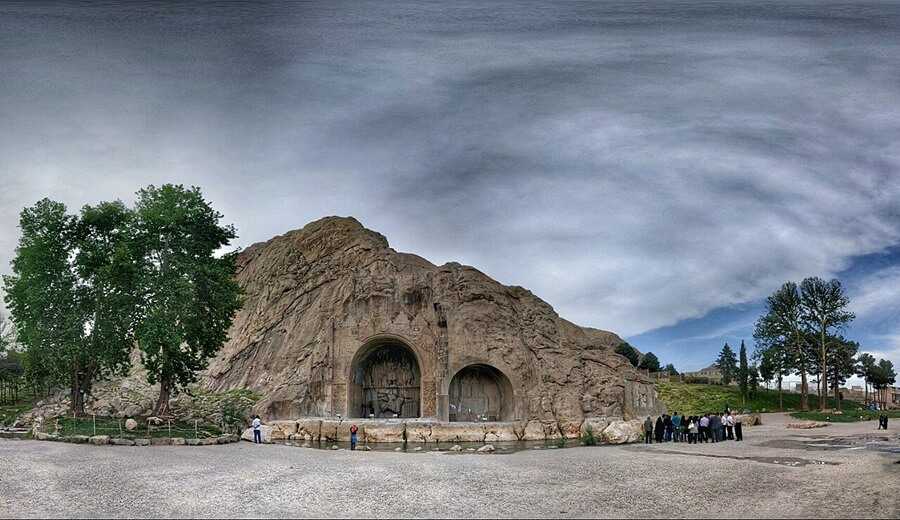
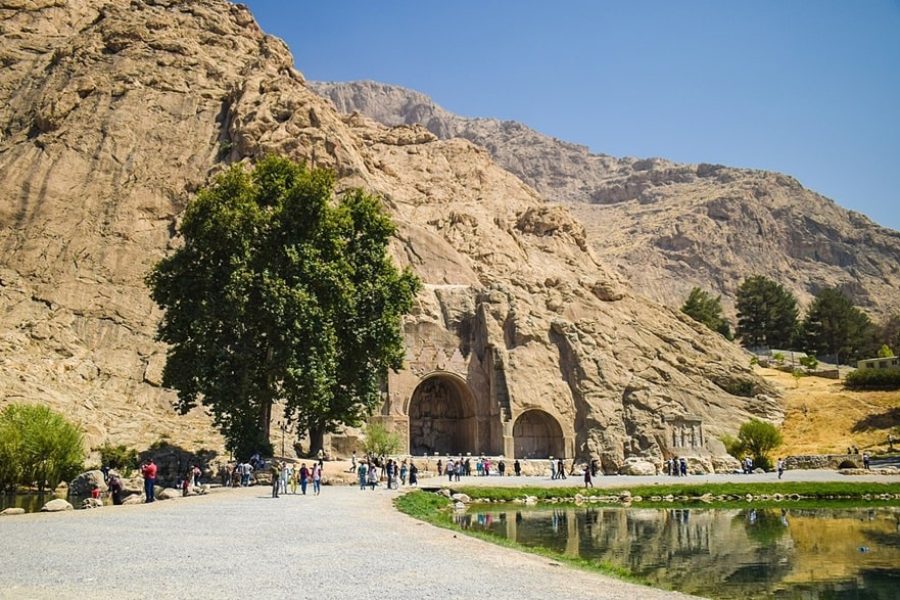
The day concludes at Taq-e Bostan, where beautifully preserved Sassanian rock reliefs depict royal ceremonies, hunting scenes, and imperial symbolism. These carvings represent some of the finest examples of Sassanian art in Iran.
Overnight in Kermanshah
Today we travel south through the dramatic landscapes of the Zagros Mountains.
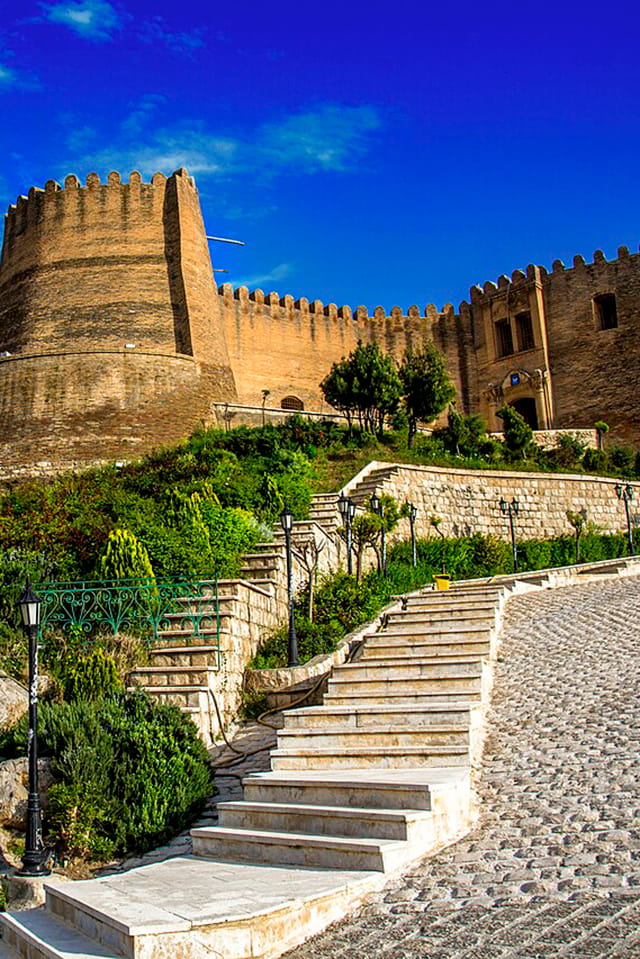
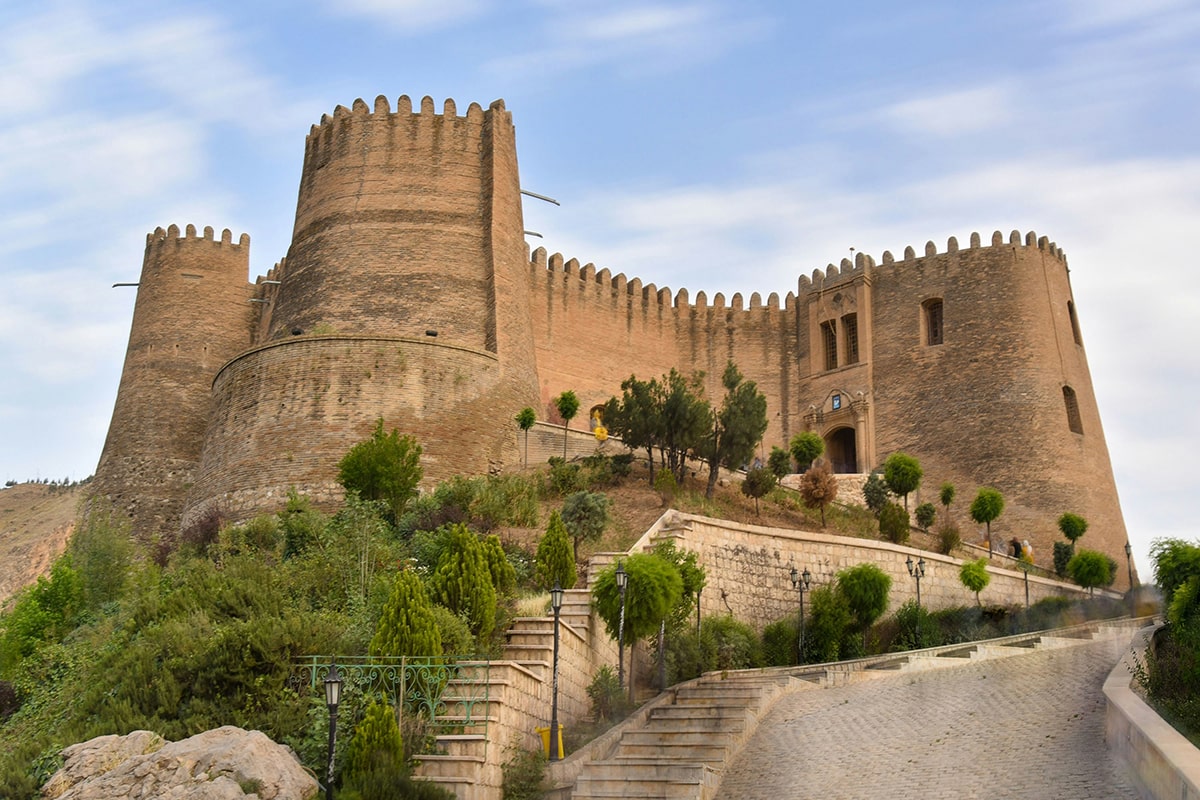
Along the way, we make a short stop at Falak-ol-Aflak Fortress in Khorramabad, which houses archaeological and ethnographic collections related to the history of Lorestan and the peoples of western Iran.
Continuing toward Khuzestan Province, we enter a region that was once at the heart of some of the earliest civilizations of the Iranian plateau. By evening, we arrive in Shushtar.
Travel note: This is one of the longer driving days of the itinerary as the route crosses the Zagros Mountains toward Khuzestan. The journey is part of the transition from western Iran into the ancient civilizations of southwestern Iran.
Overnight in Shushtar
Today is one of the most significant archaeological days of the tour, focusing on the remarkable legacy of the Elamite civilization.
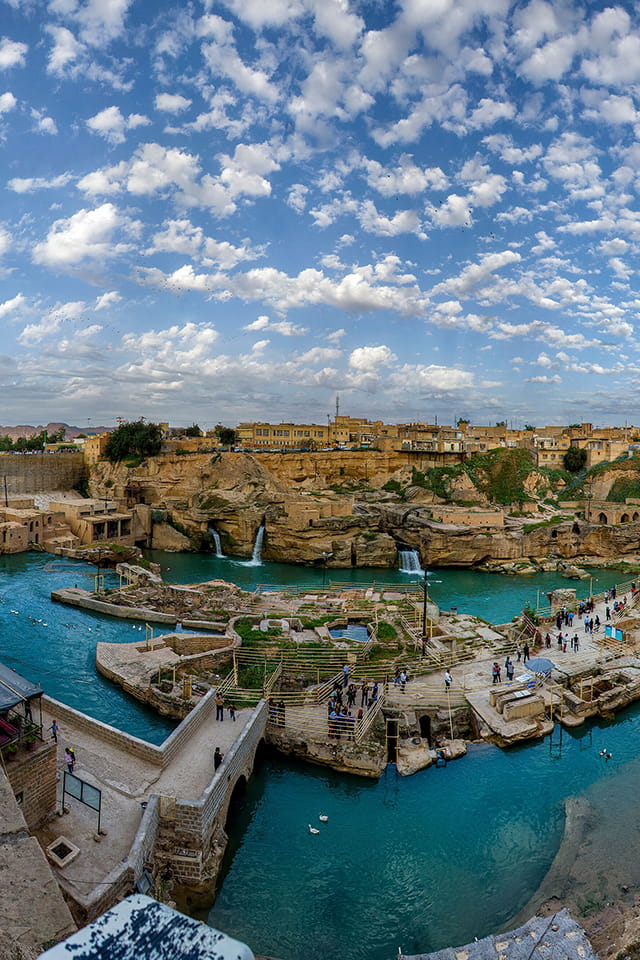
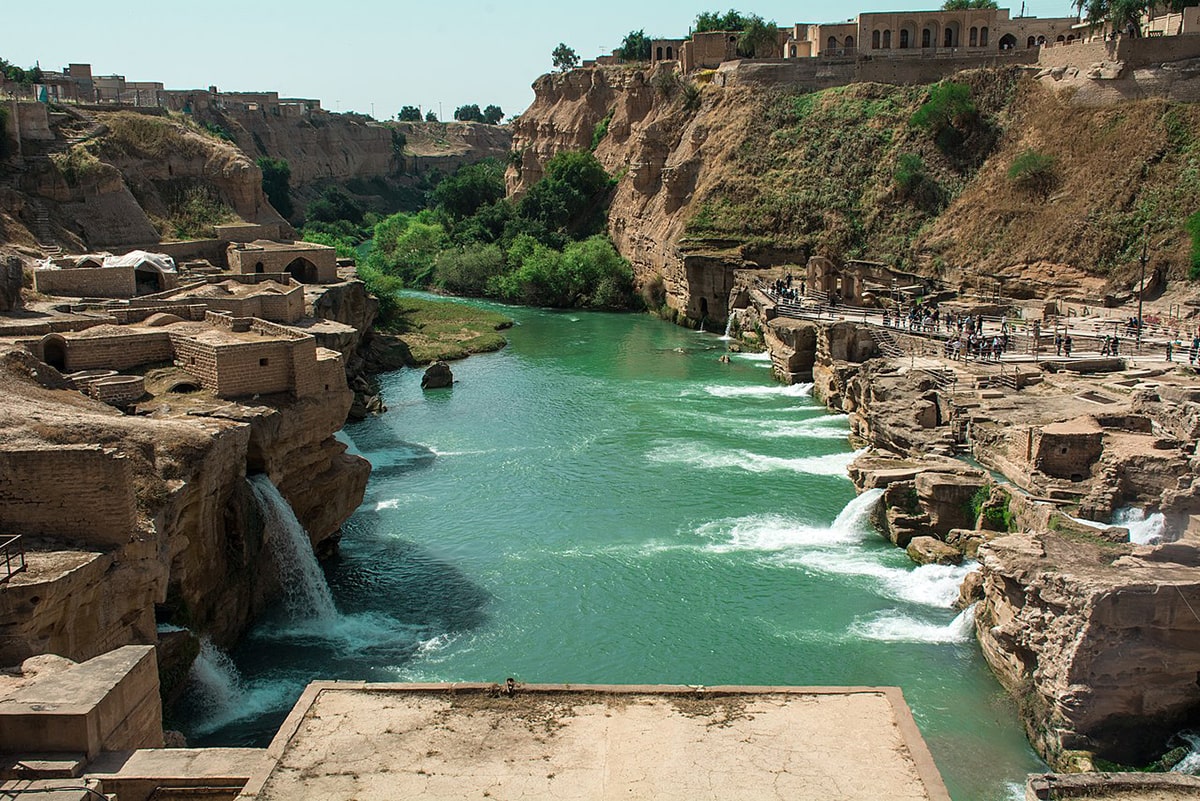
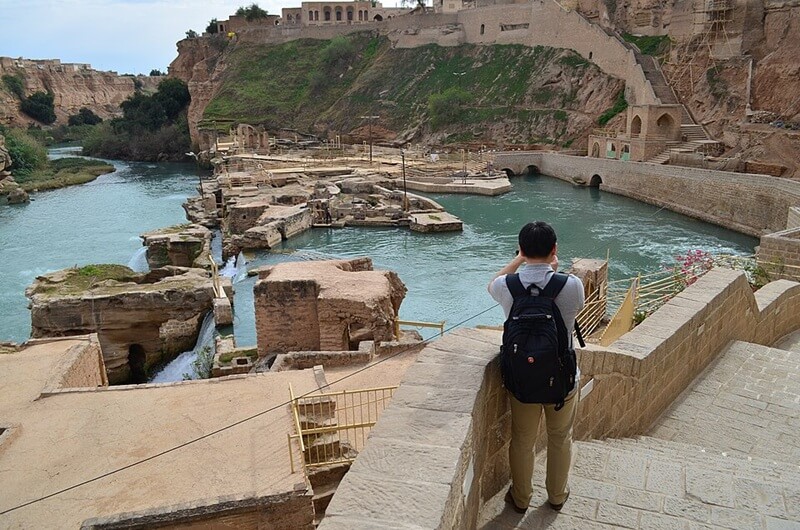
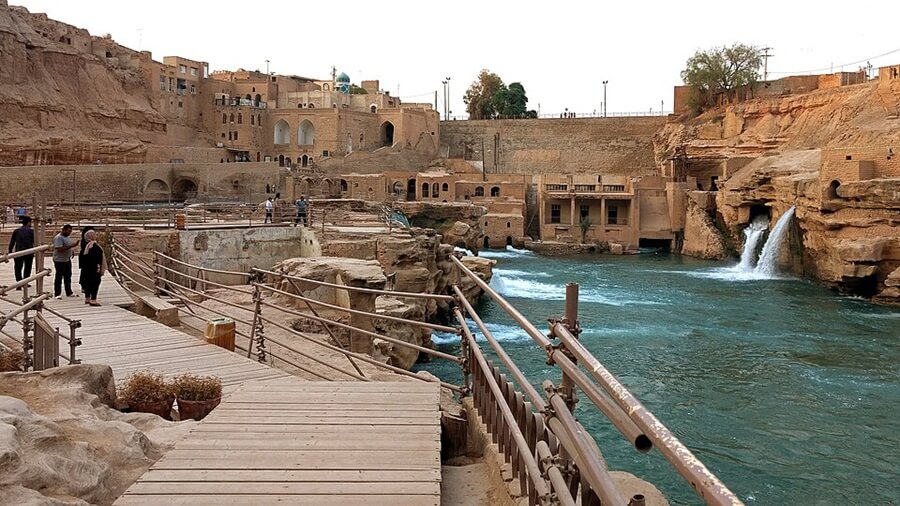
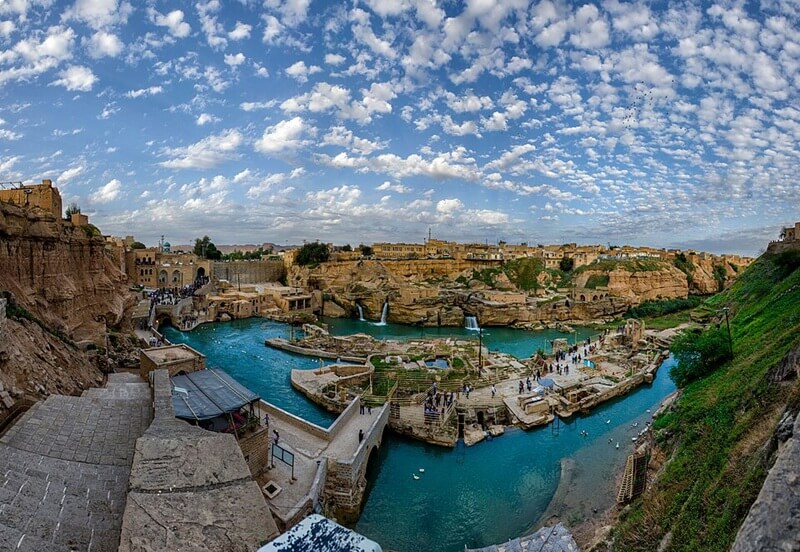
We begin at the Shushtar Historical Hydraulic System, a UNESCO-listed masterpiece of ancient engineering. Its canals, bridges, mills, and water management structures demonstrate the advanced technological knowledge of ancient Persia.
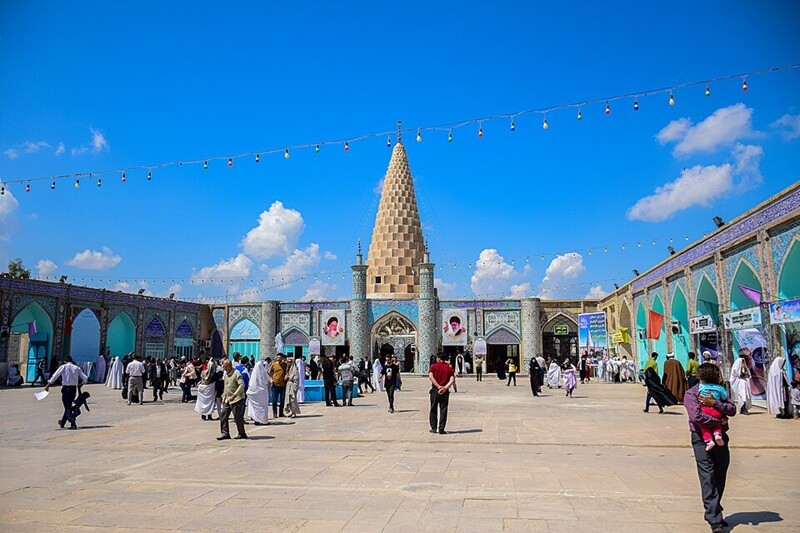
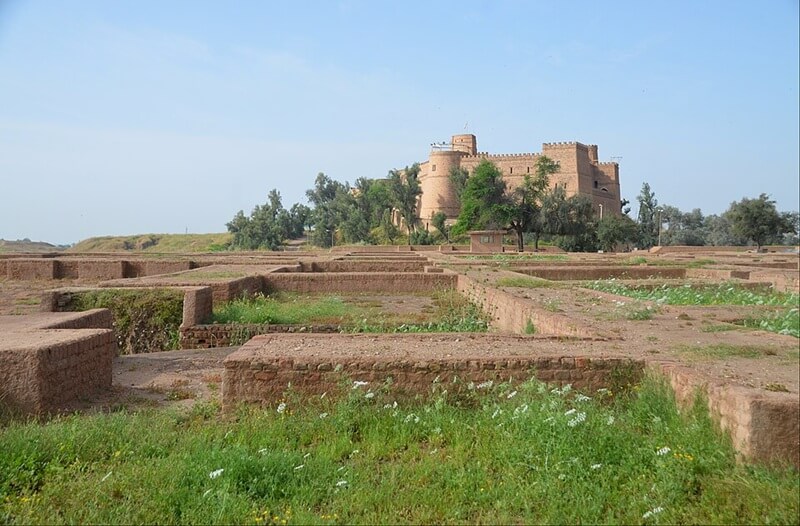
Next, we visit the ancient city of Susa, one of the oldest continuously inhabited settlements in the world and a former capital of the Elamite, Achaemenid, Seleucid, and Parthian empires. Highlights include the archaeological areas, the Acropolis, and the revered Tomb of Daniel.
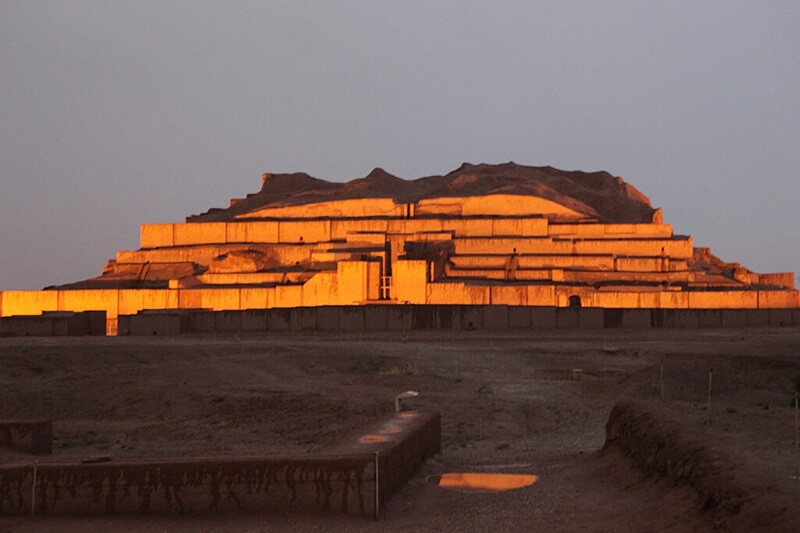
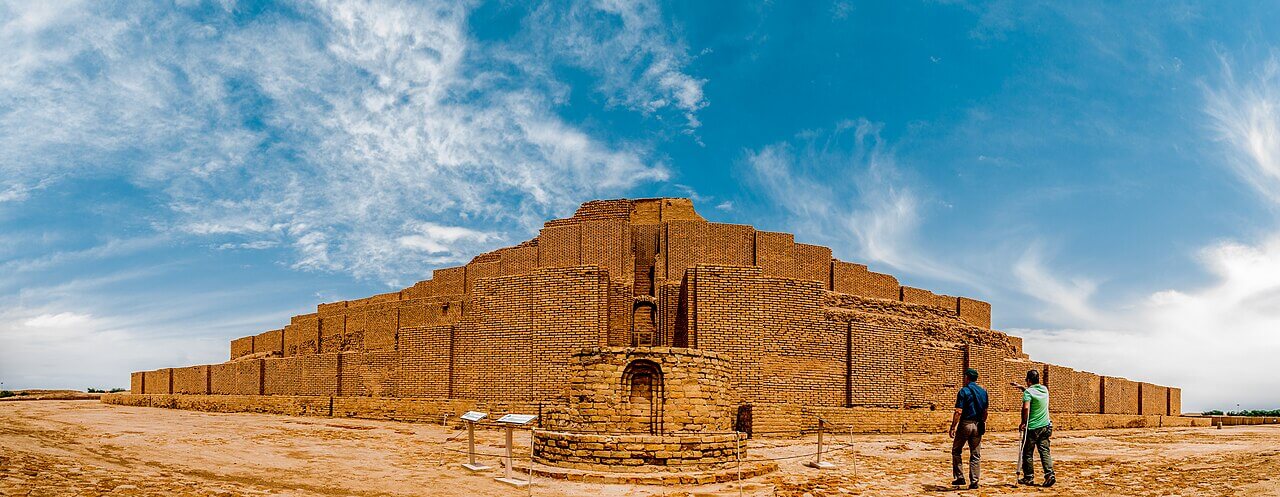
We continue to Chogha Zanbil, one of the best-preserved ziggurats anywhere in the world and one of Iran’s most important UNESCO World Heritage Sites. Built more than 3,000 years ago, it remains one of the finest surviving monuments of the Elamite civilization.
Our exploration concludes at Haft Tappeh, another important Elamite archaeological site that provides additional insight into the culture and daily life of this ancient kingdom.
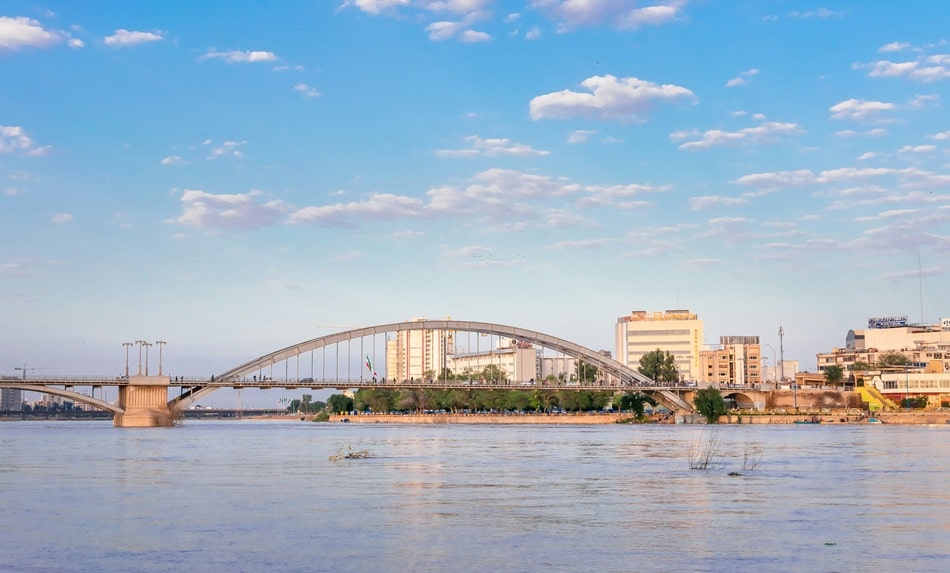
Overnight in Ahvaz
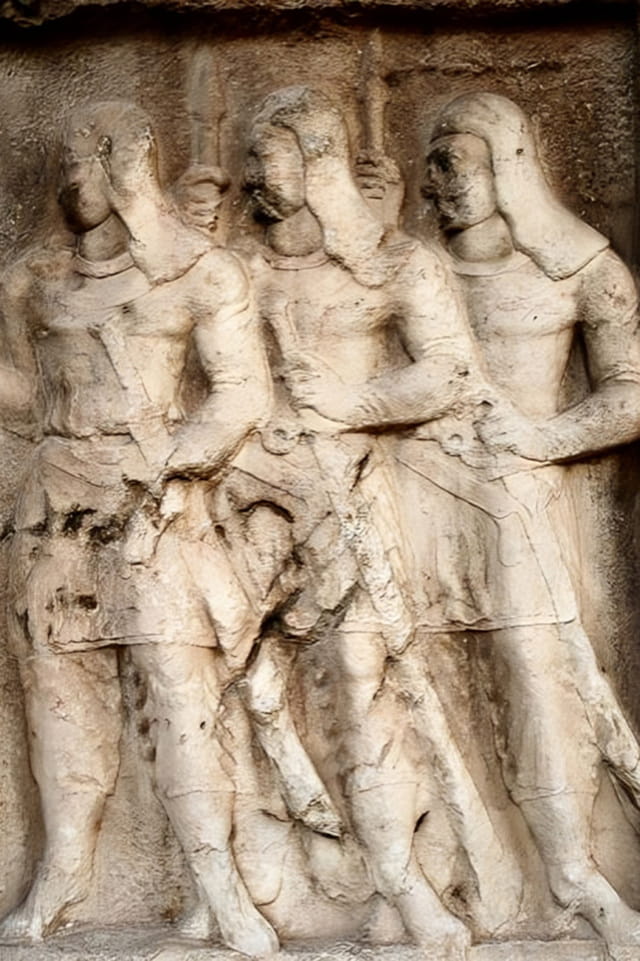
Leaving Khuzestan behind, we travel east toward Shiraz.
Along the route, we visit the archaeological remains of Bishapur, a city founded by Shapur I during the Sassanian period. The city showcases sophisticated urban planning influenced by both Persian and Roman traditions.
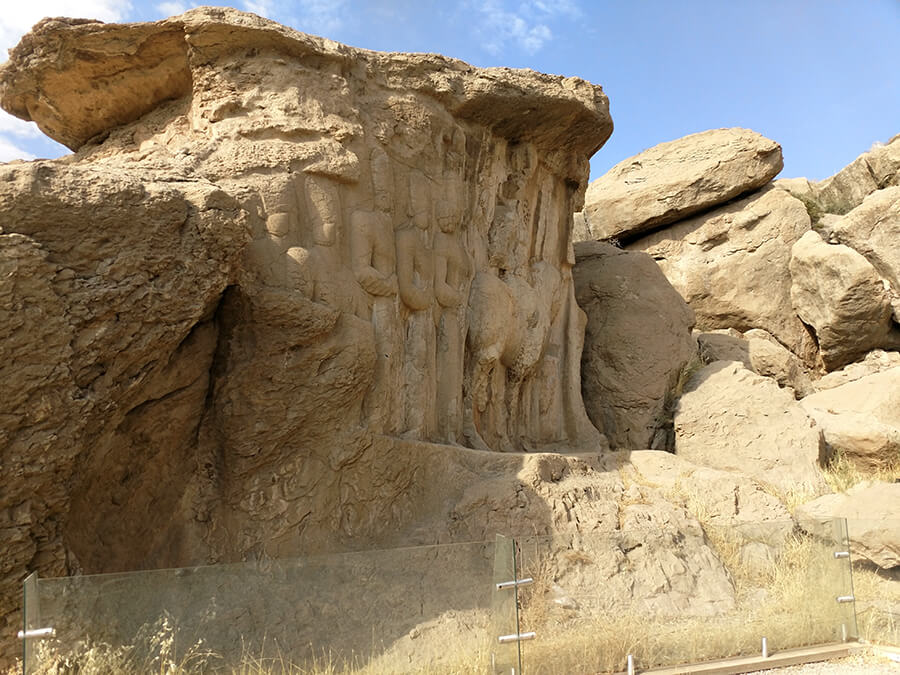
Nearby, we explore the impressive Tang-e Chogan Reliefs, where victories, royal ceremonies, and imperial power are carved into the surrounding cliffs. Together, these monuments represent some of the finest surviving examples of Sassanian civilization.
Overnight in Shiraz
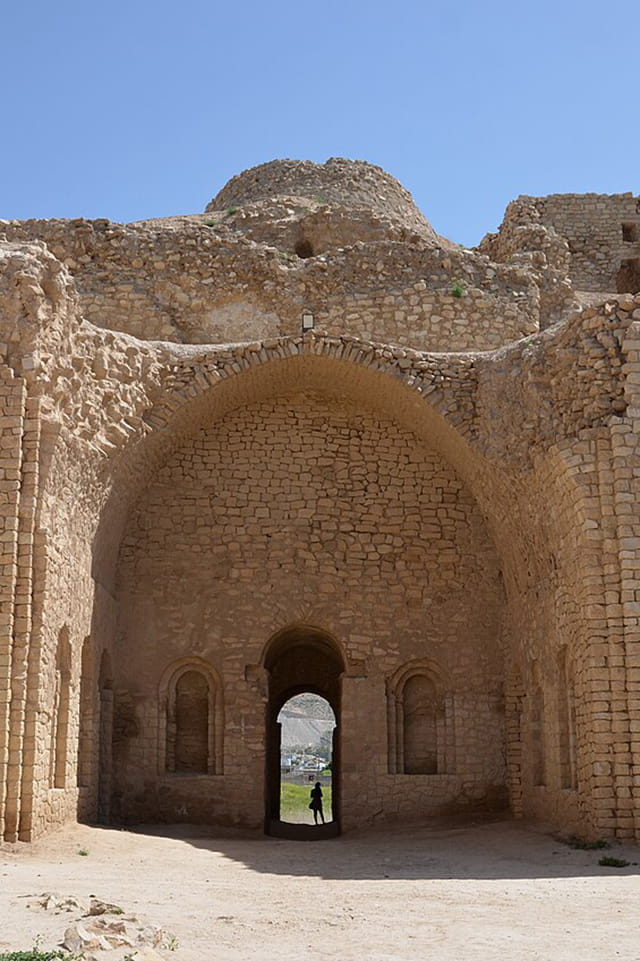
Today we explore one of the most important regions in the history of the Sassanian Empire.
Our first stop is Qaleh Dokhtar, a dramatic fortress built by Ardashir I before he established the Sassanian dynasty. Perched high above the valley, it offers both historical significance and spectacular views.
We then visit the nearby Ardashir Palace, an early example of Sassanian architecture that would later influence Islamic and Persian building traditions.
The day also includes exploration of the Ancient City of Gor, part of the UNESCO-listed Sassanian Archaeological Landscape of Fars Region. Its circular city plan reflects one of the most ambitious urban projects of late antiquity and marks the beginning of a new Persian empire.
Overnight in Shiraz
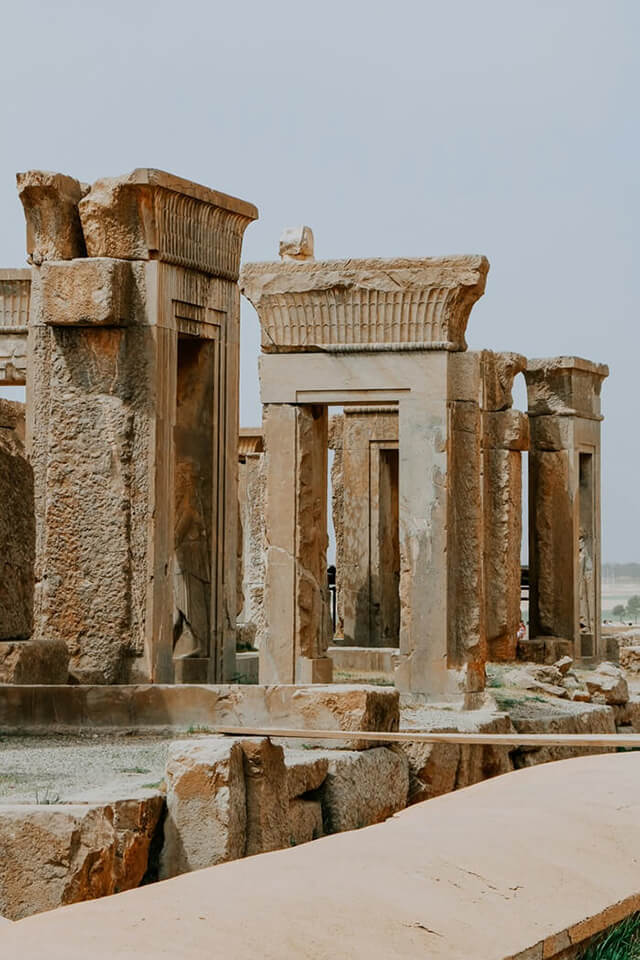
Today is the archaeological highlight of the journey and an unforgettable day into the heart of the Achaemenid Empire.
We begin at Pasargadae, the first capital of the Persian Empire and the final resting place of Cyrus the Great. The site reflects the earliest expressions of imperial Persian architecture and statecraft.
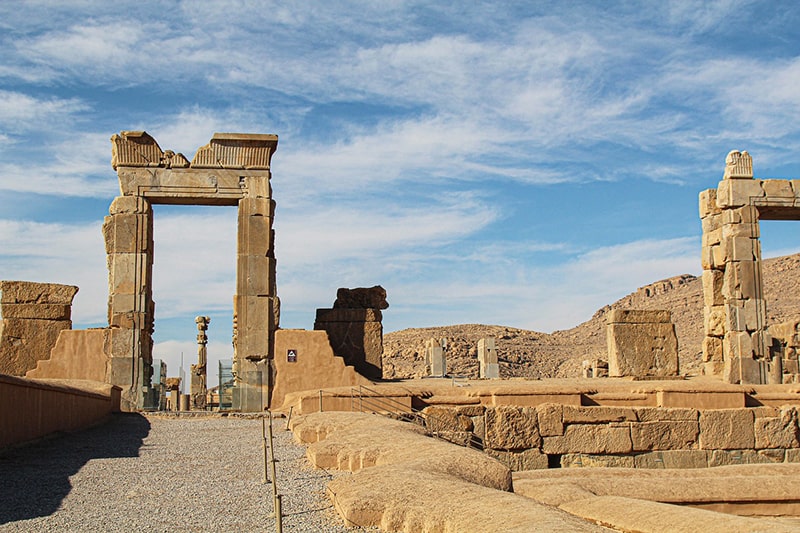
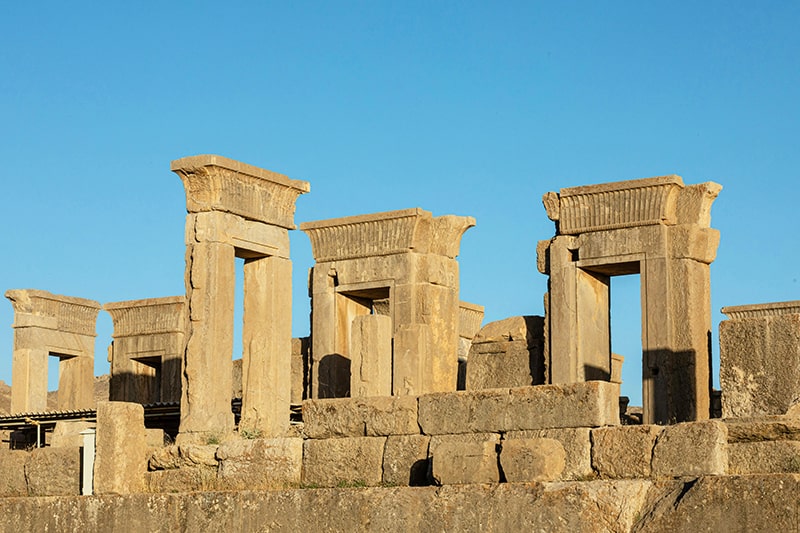
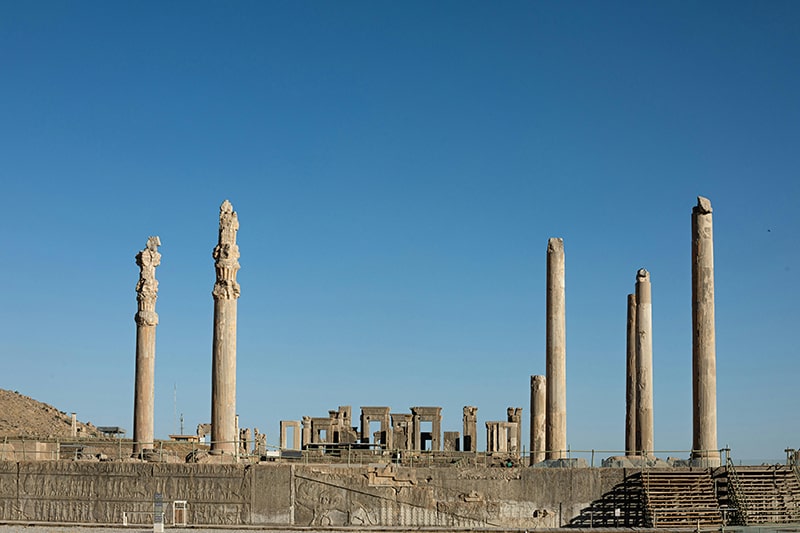
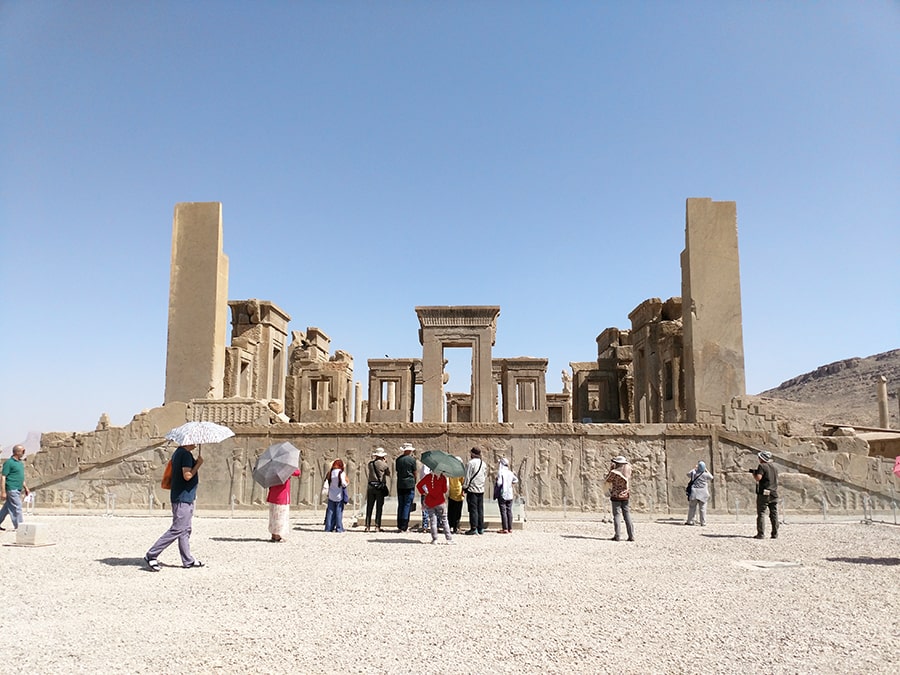
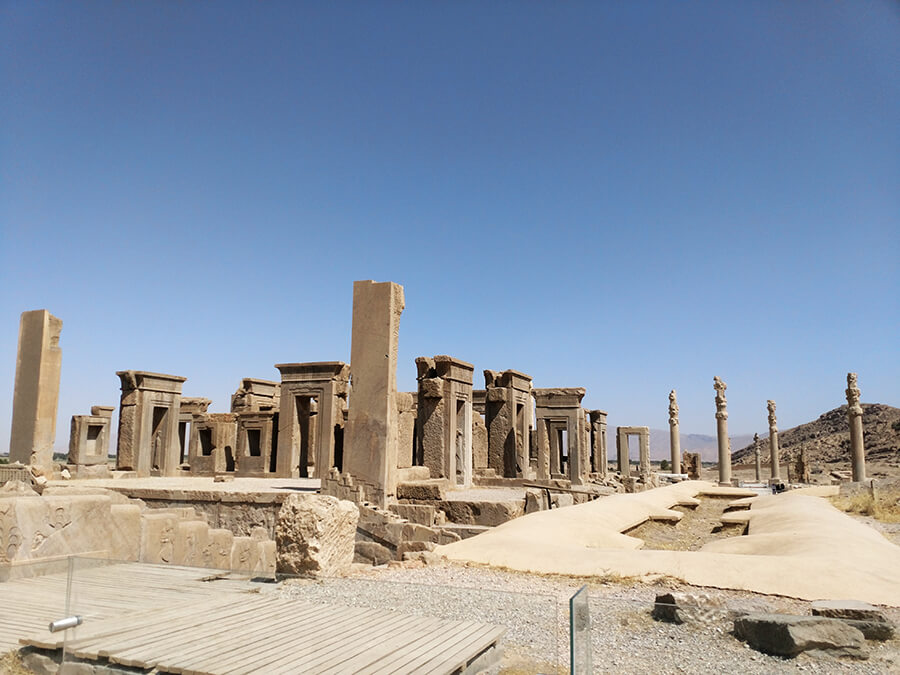
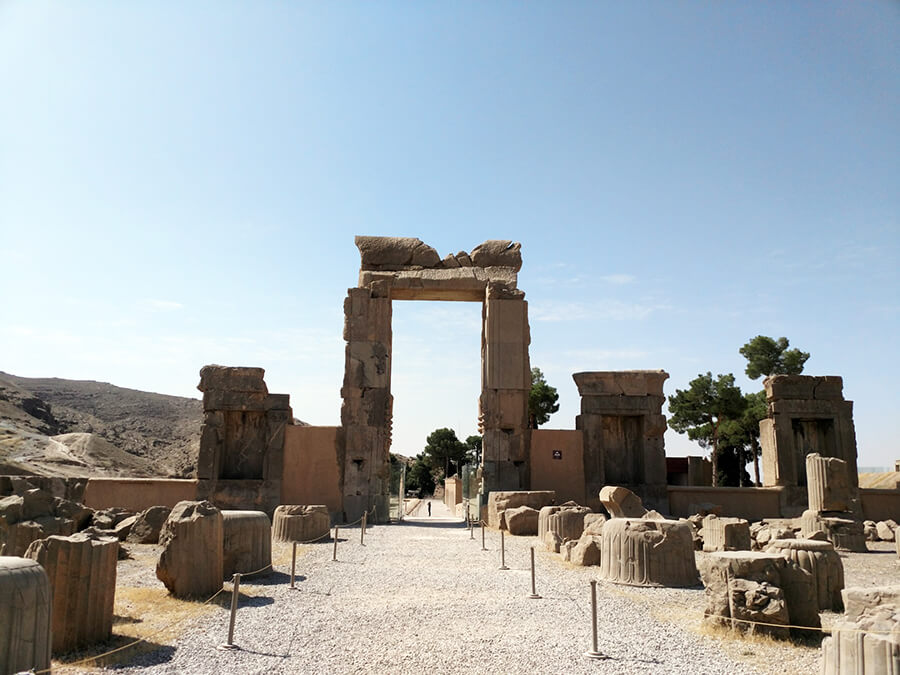
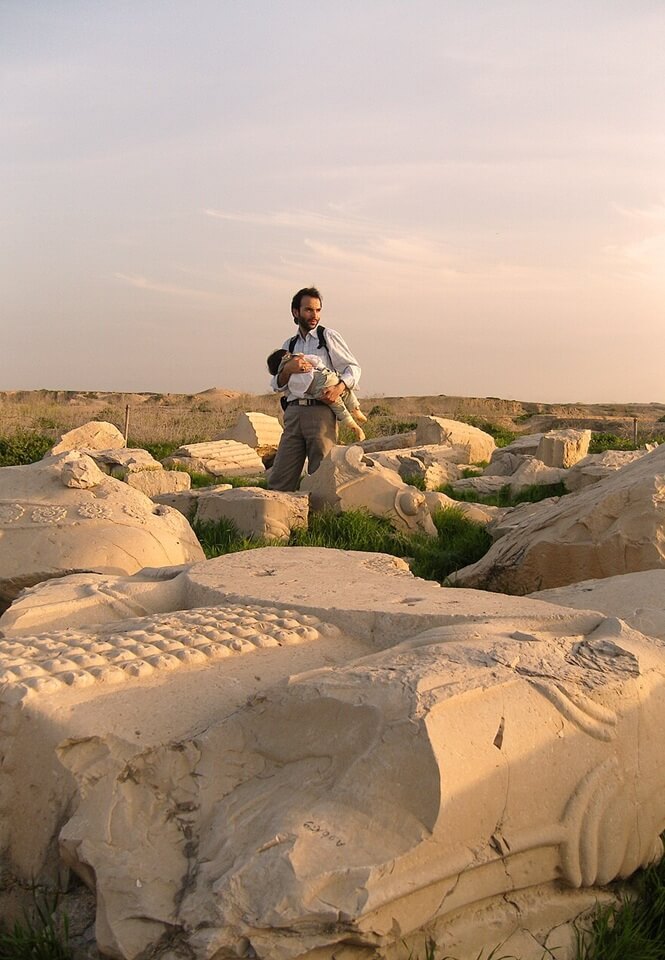
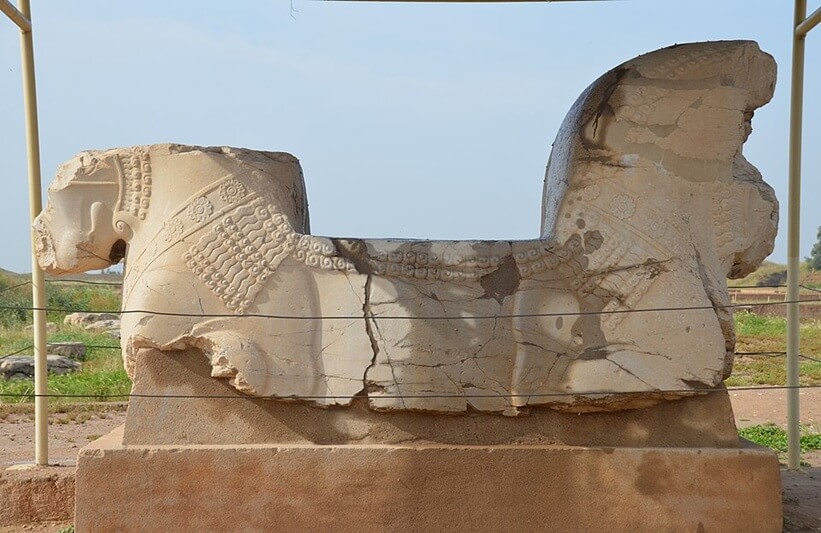
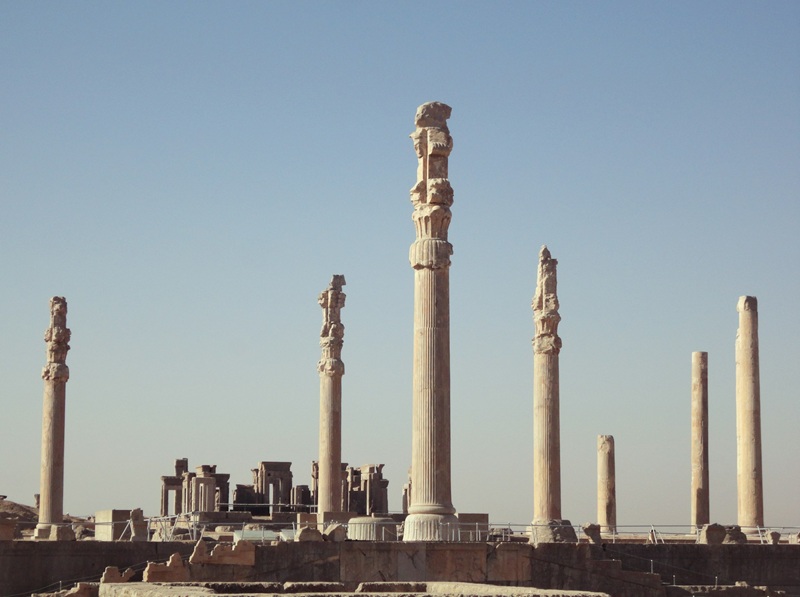
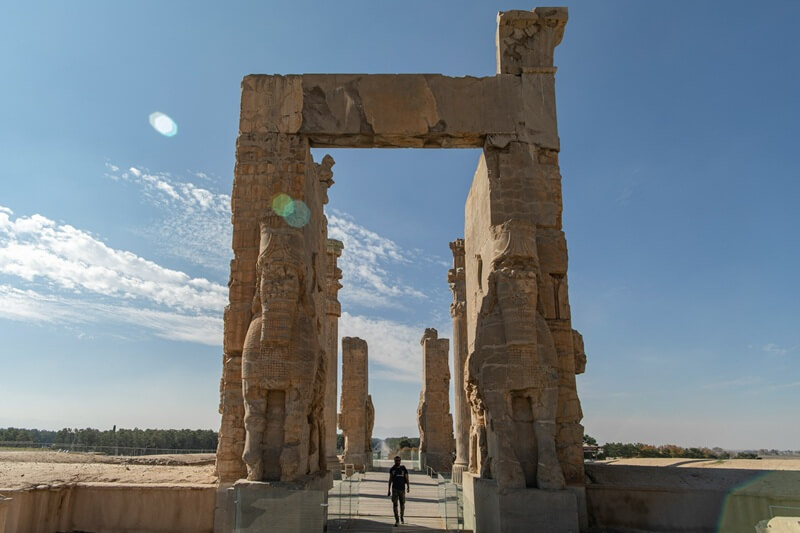
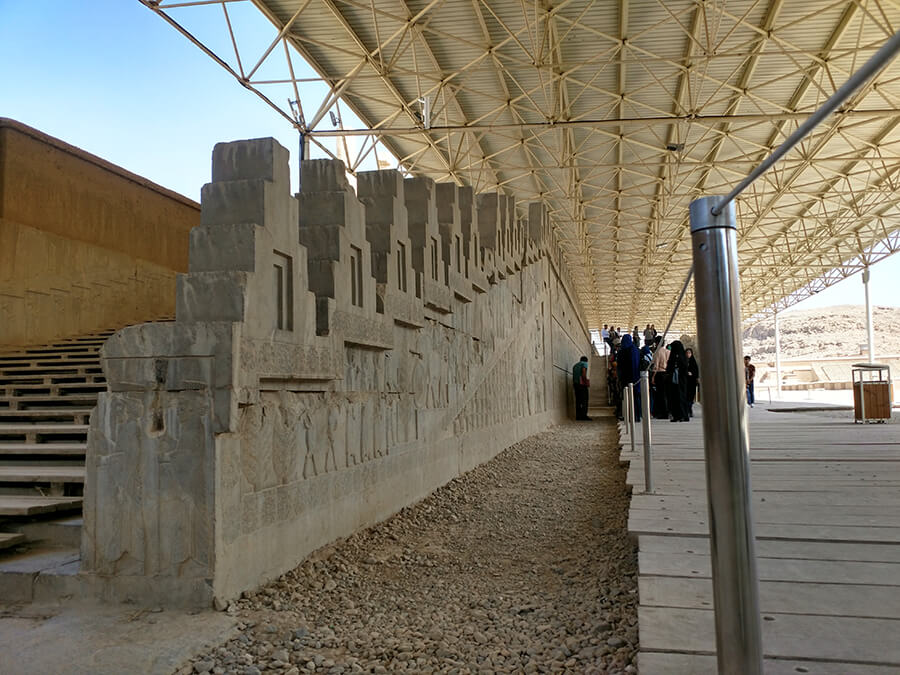
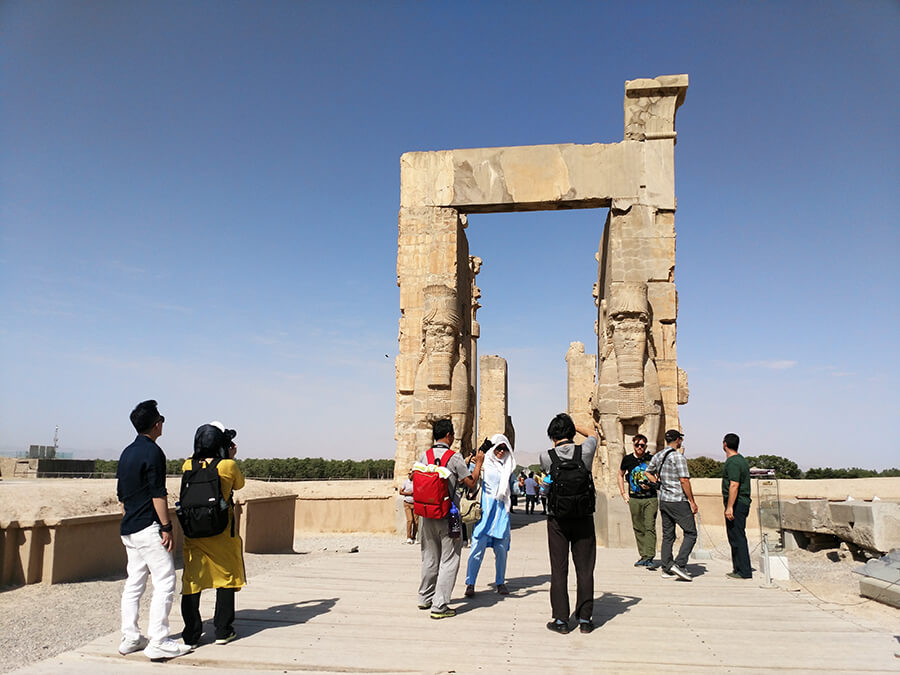
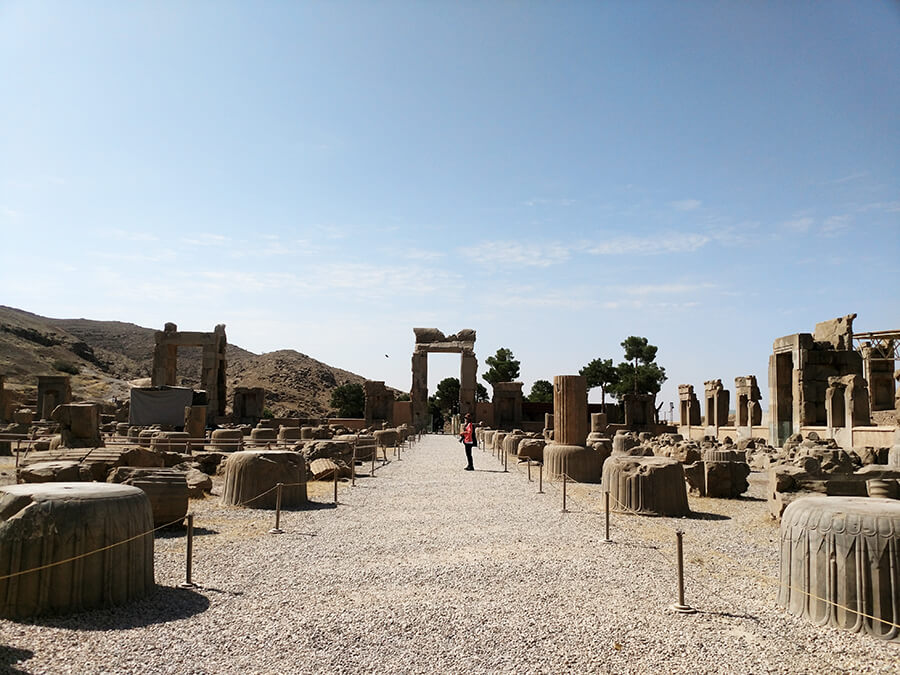
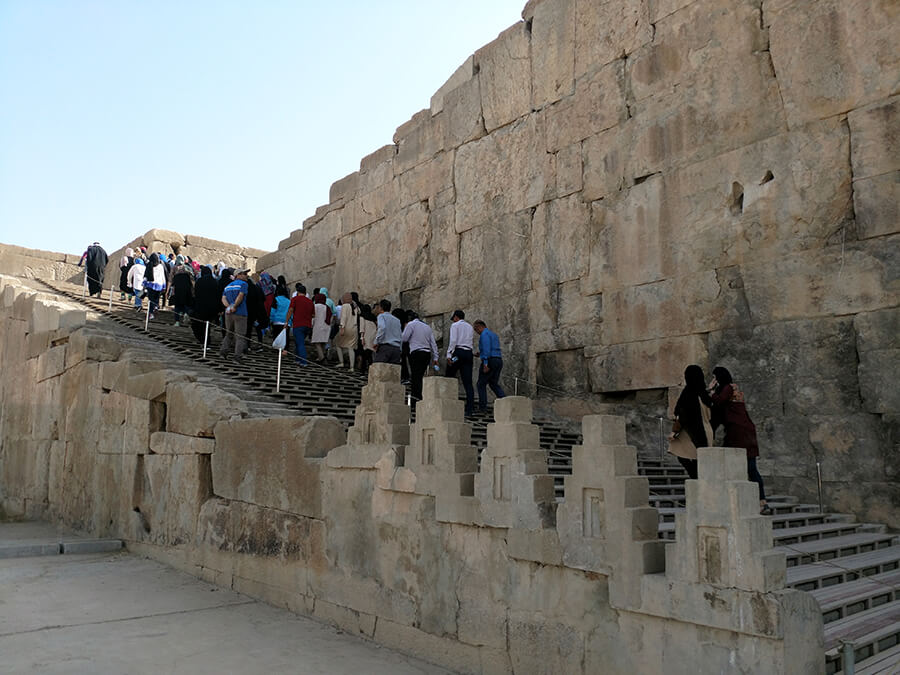
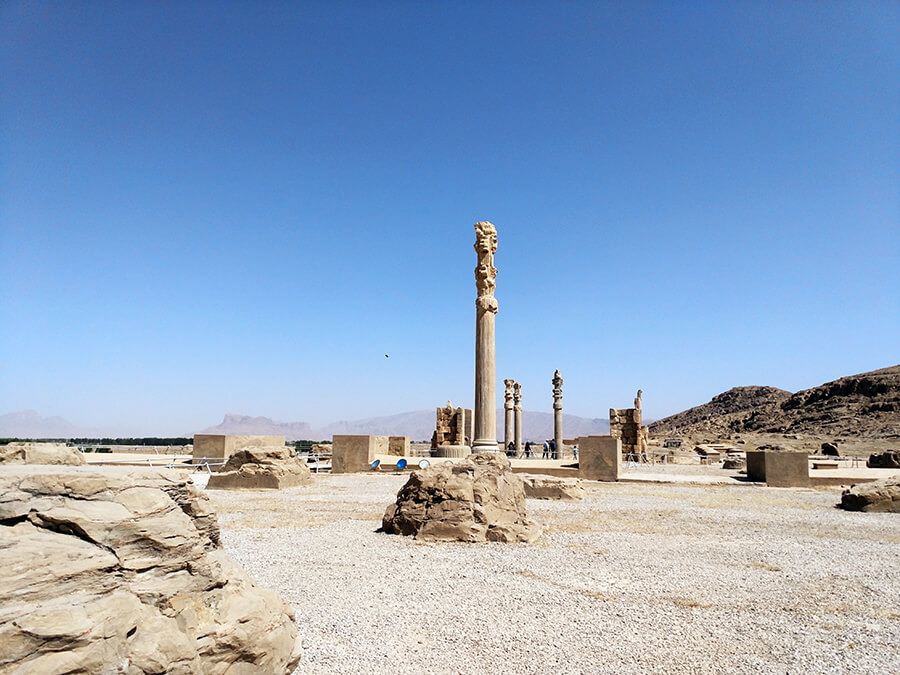
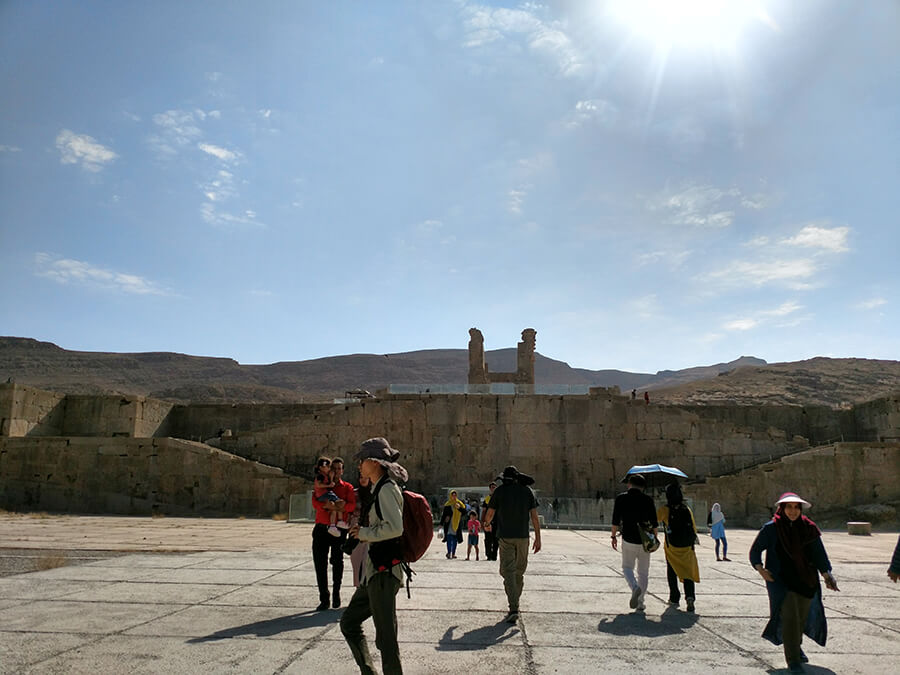
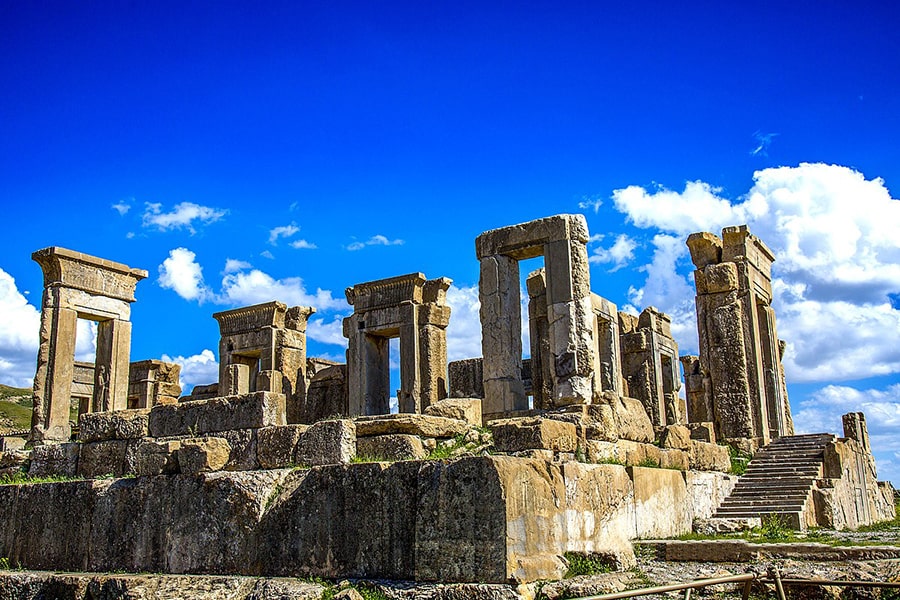
Next, we visit the magnificent ruins of Persepolis, the ceremonial capital of the Achaemenid Empire and one of the world's greatest archaeological treasures. Monumental staircases, palaces, and detailed reliefs reveal the power and sophistication of ancient Persia at its height.
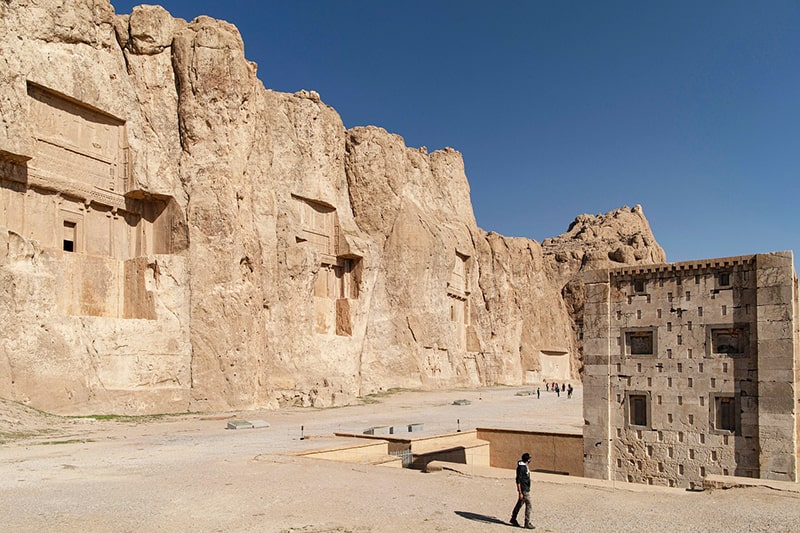
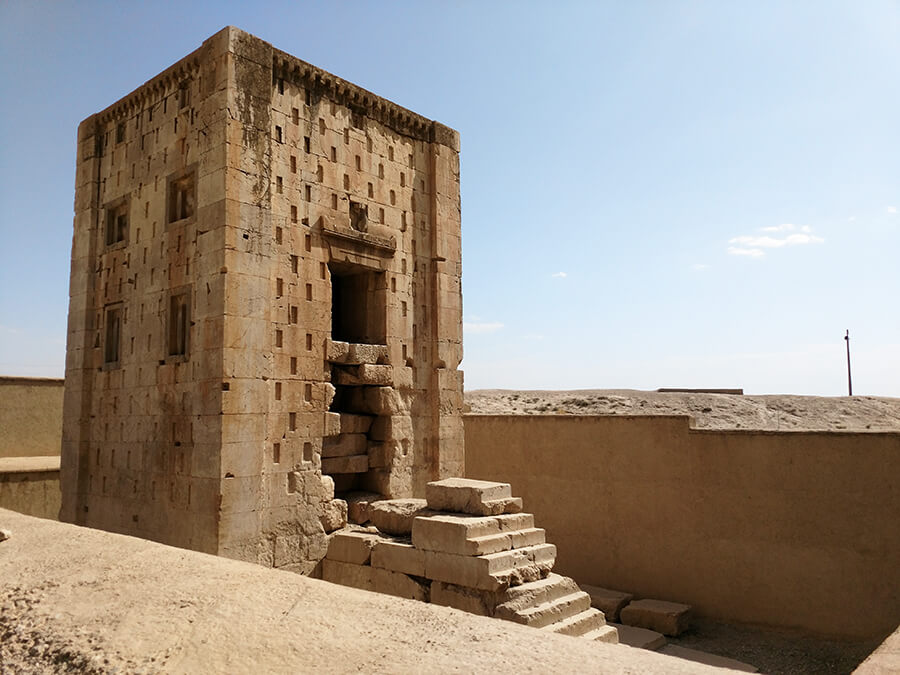
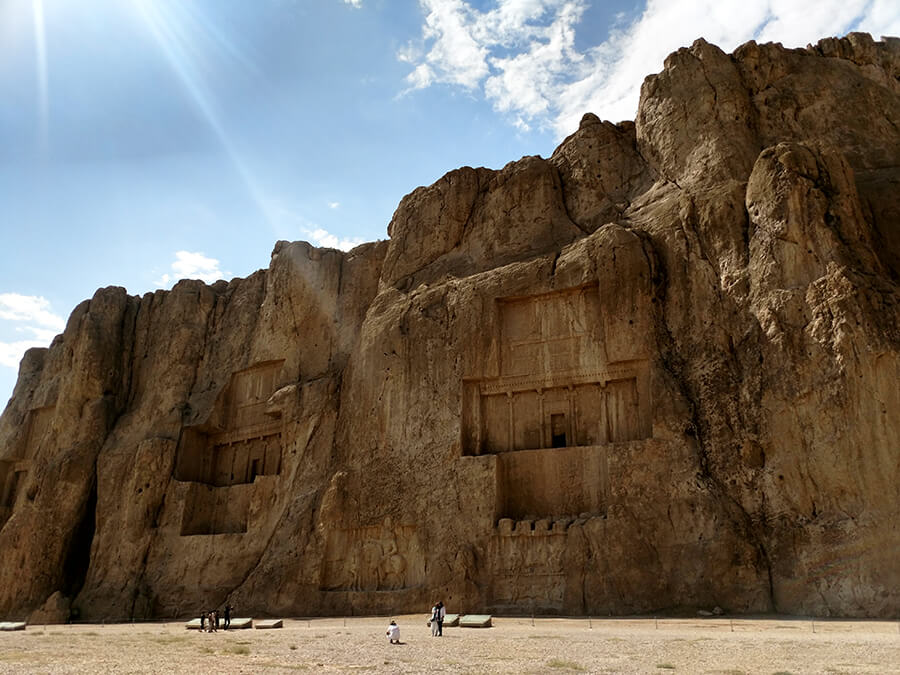
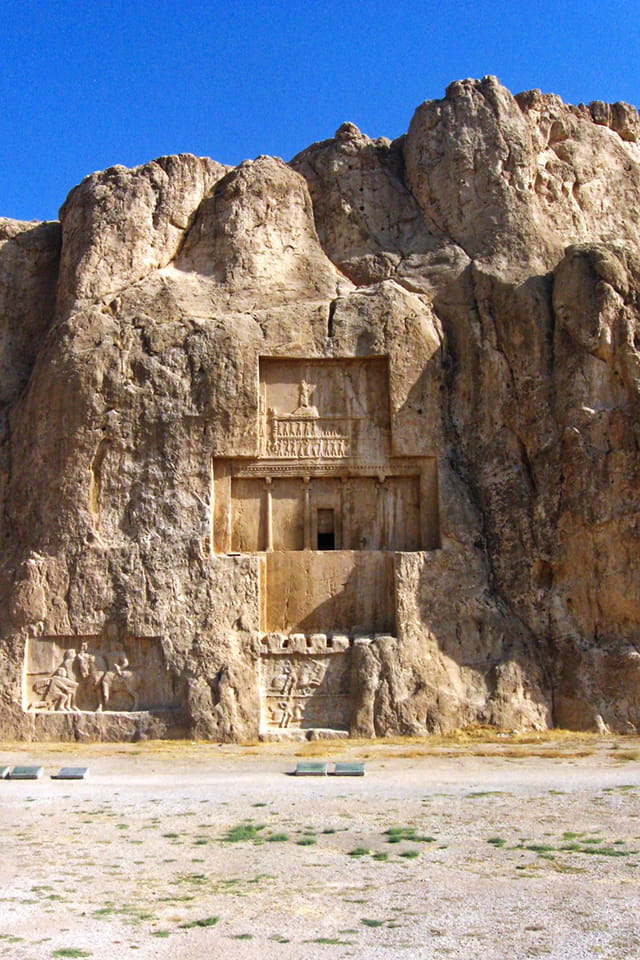
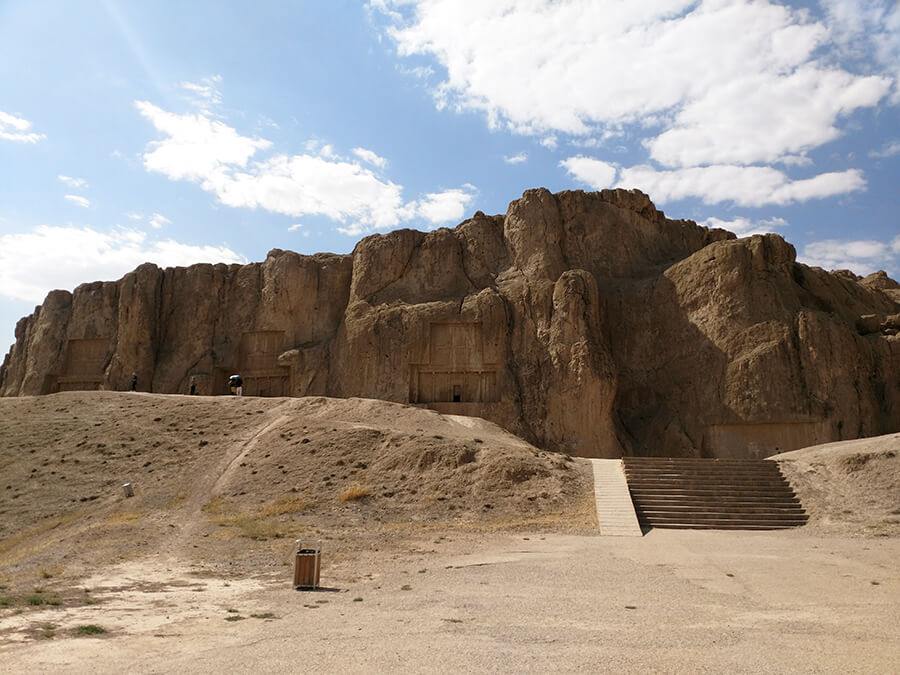
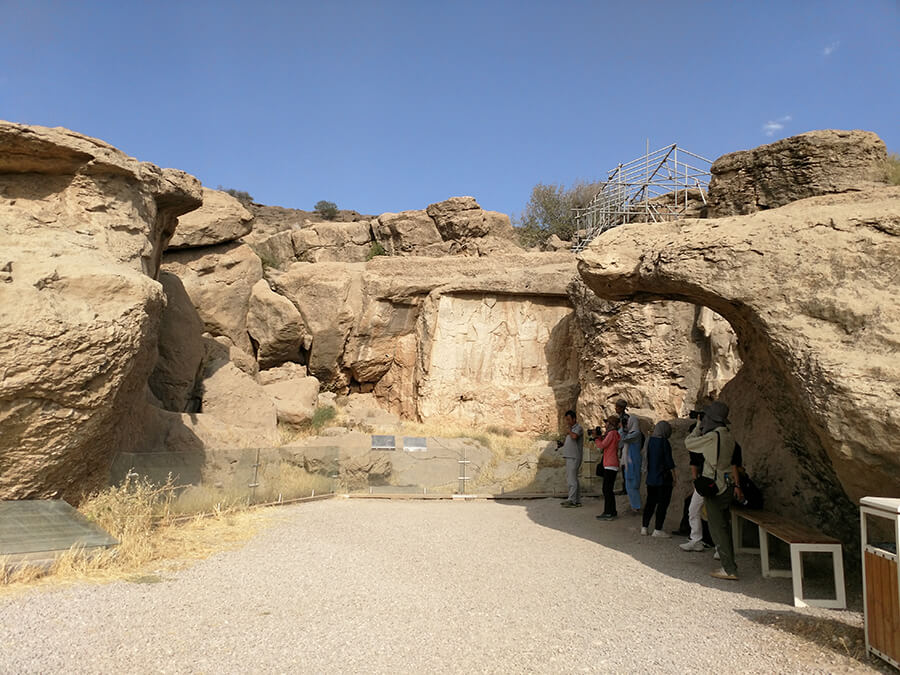
Nearby, we explore Naqsh-e Rostam, where several Achaemenid kings were buried in monumental cliffside tombs, and Naqsh-e Rajab, home to important royal reliefs from the Sassanian era.
After a day immersed in Persian imperial history, we continue to Isfahan.
Overnight in Isfahan
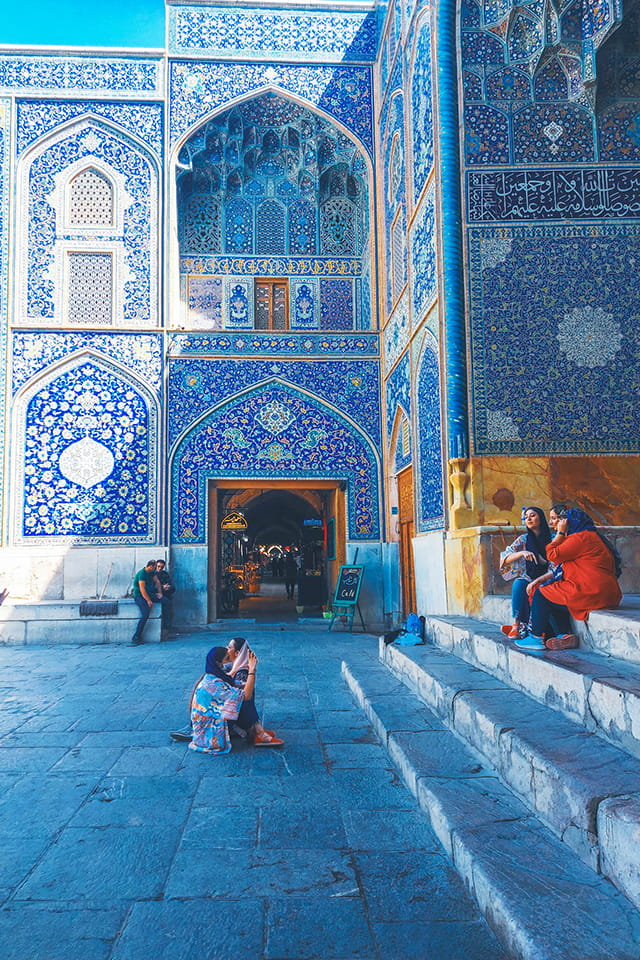
After tracing the ancient empires of Iran, today we explore how Persian architectural traditions continued and evolved during the Islamic period.
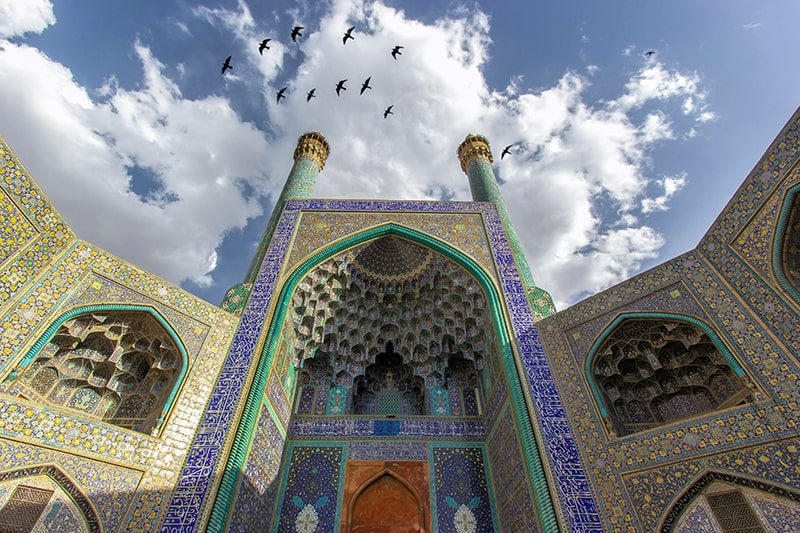
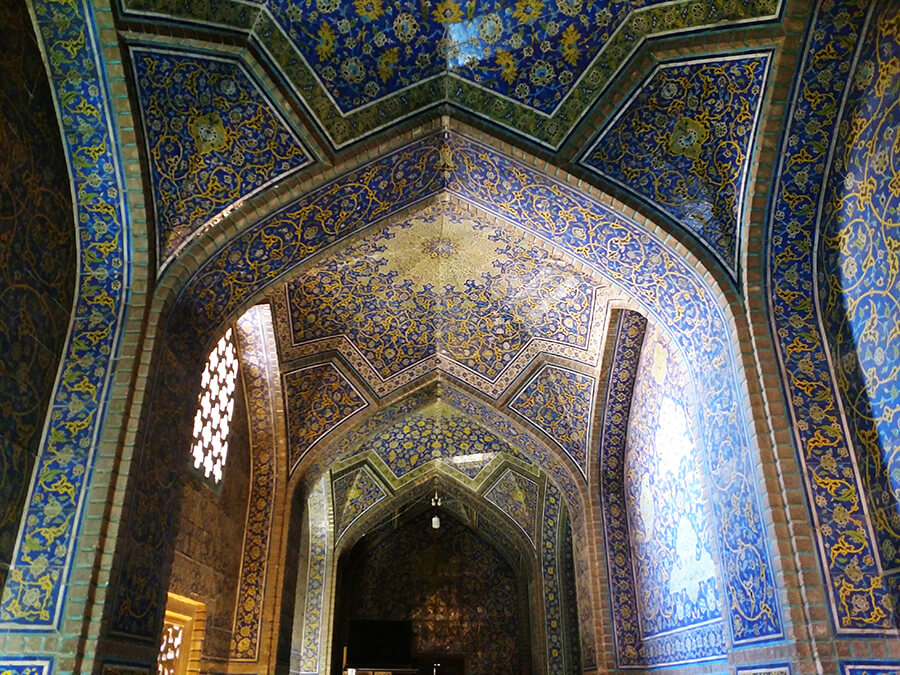
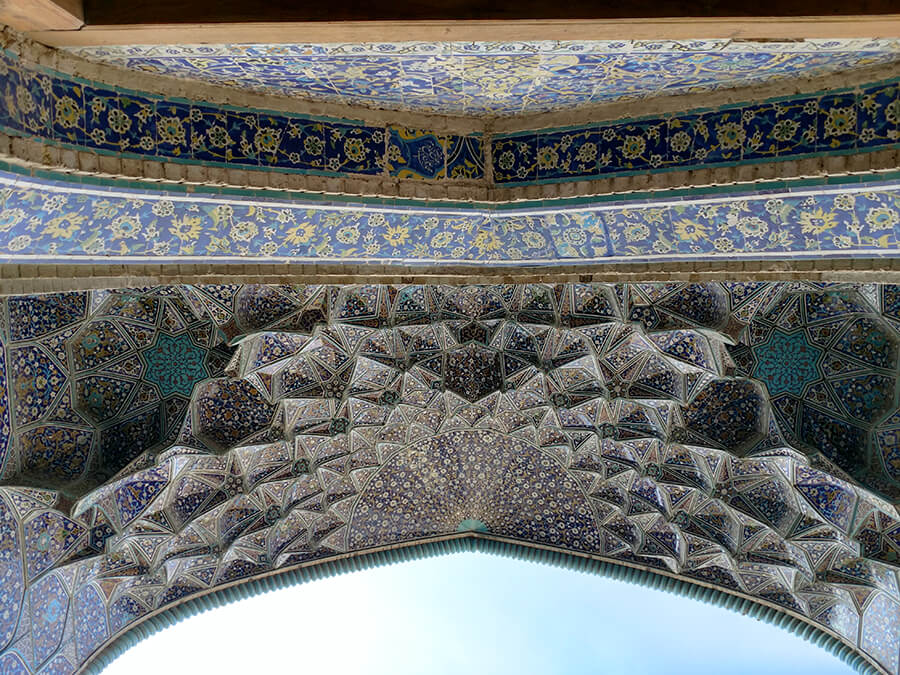
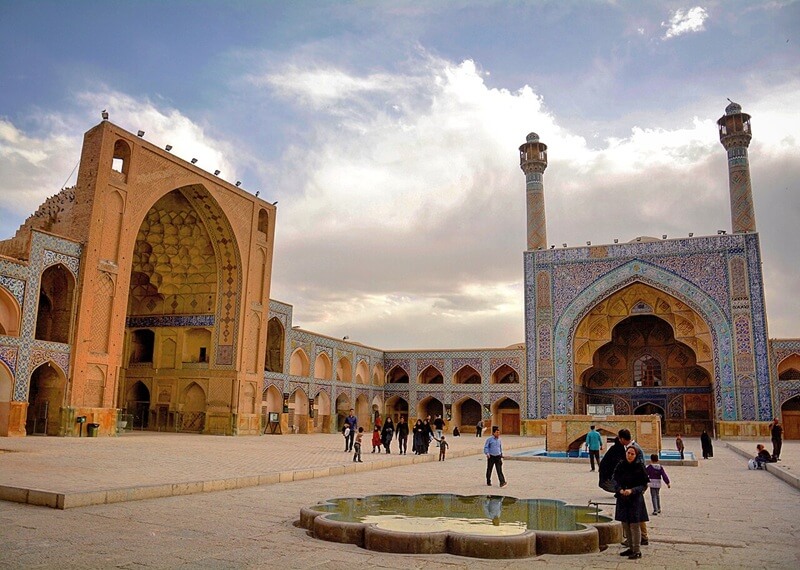
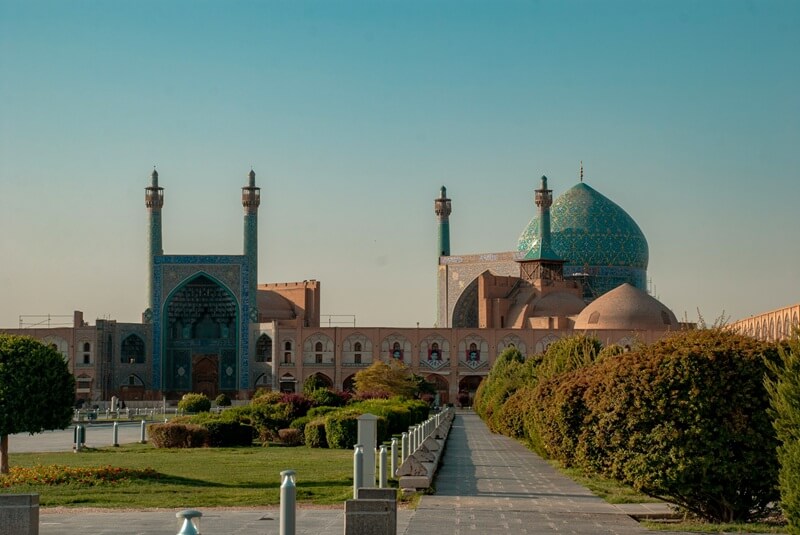
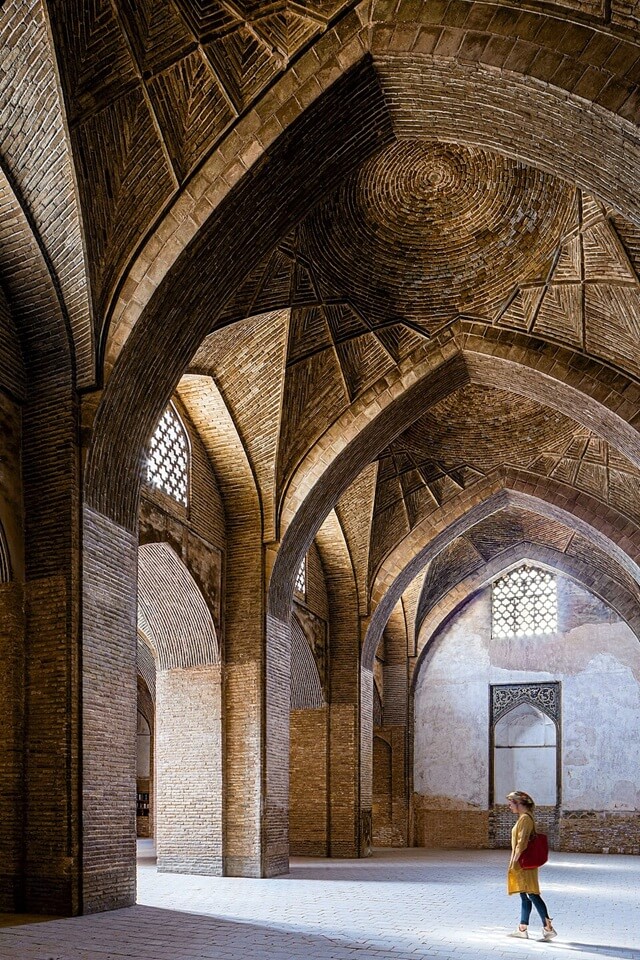
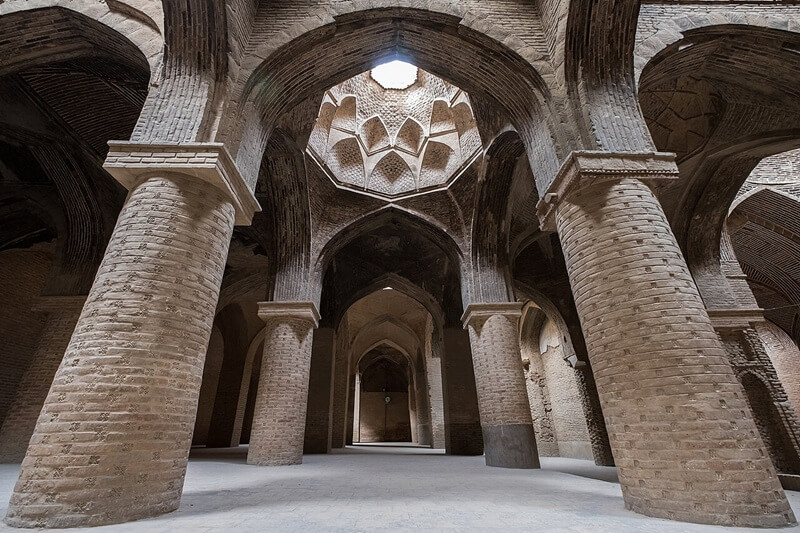
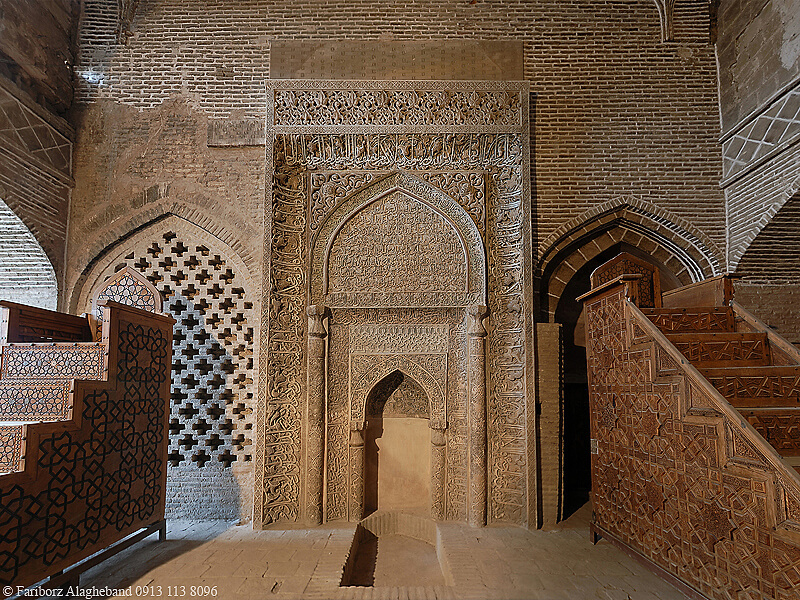
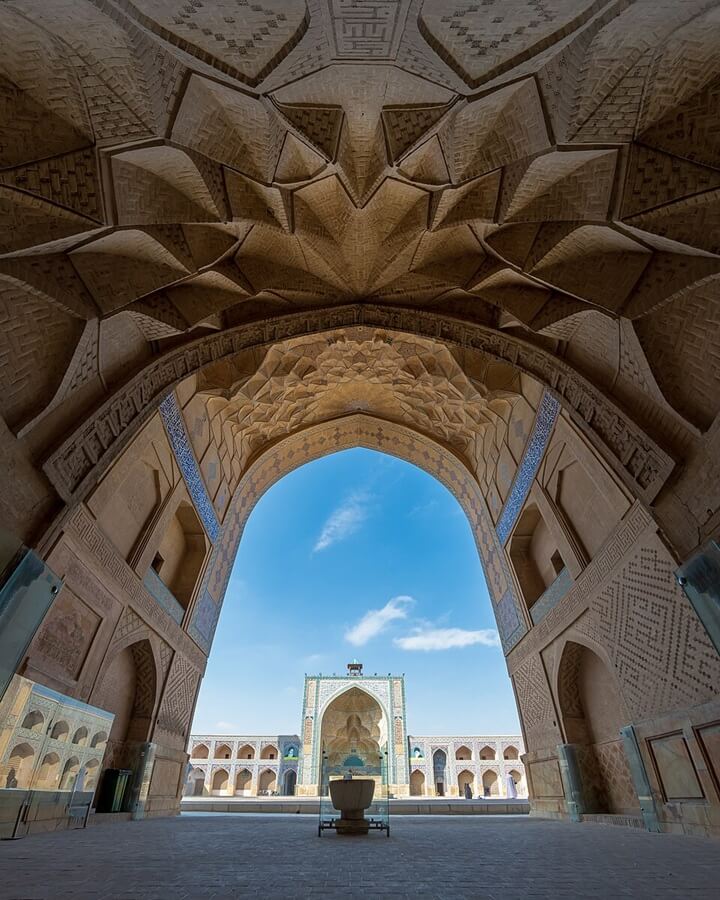
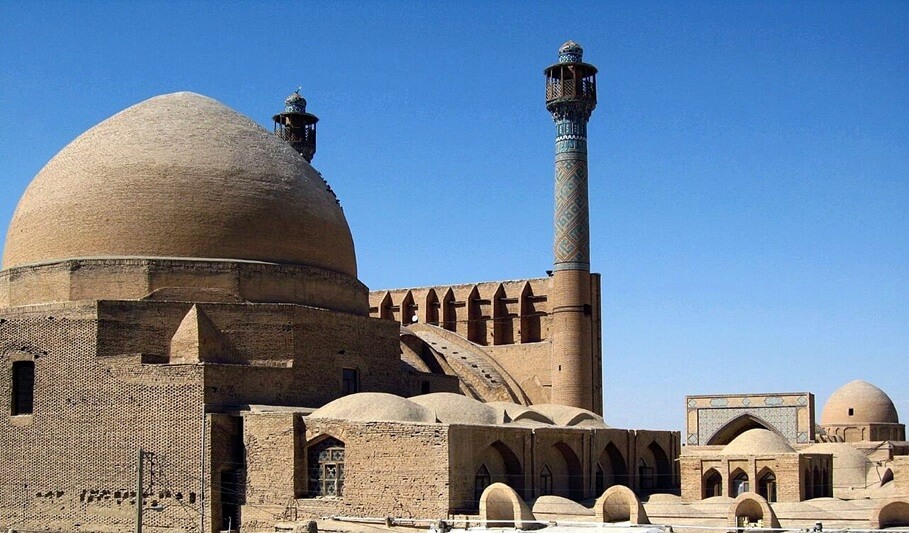
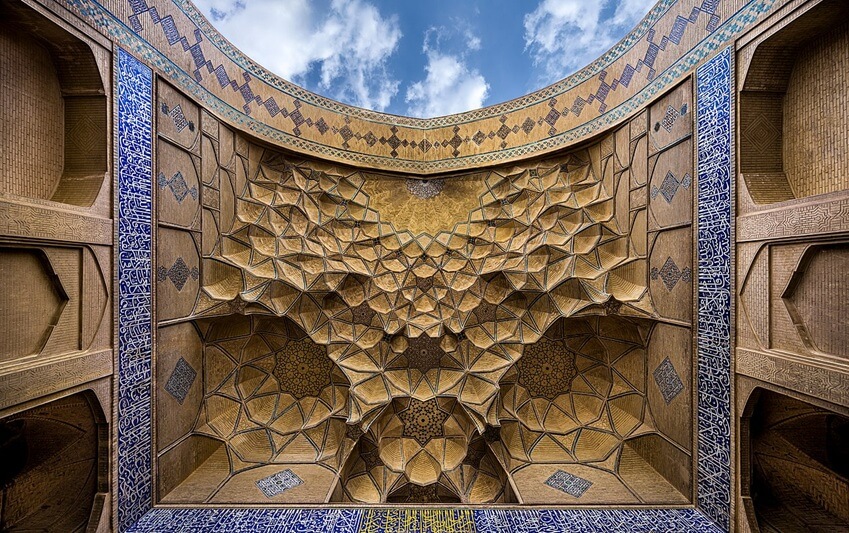
We begin at the magnificent Jameh Mosque of Isfahan, a UNESCO World Heritage Site that reflects more than a thousand years of architectural development.
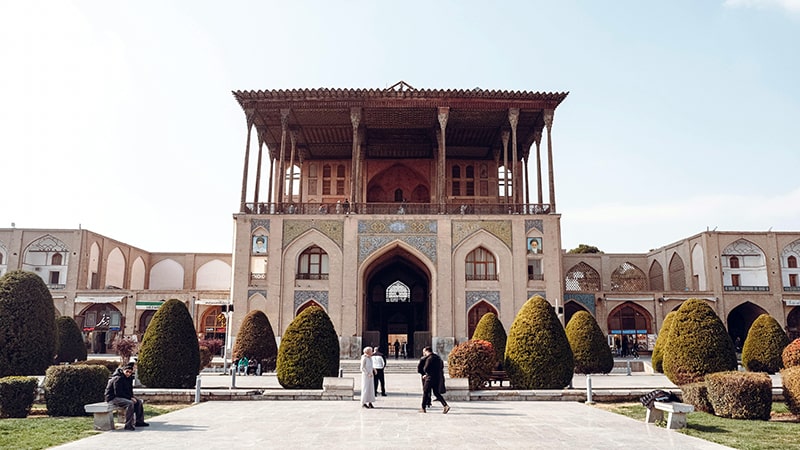
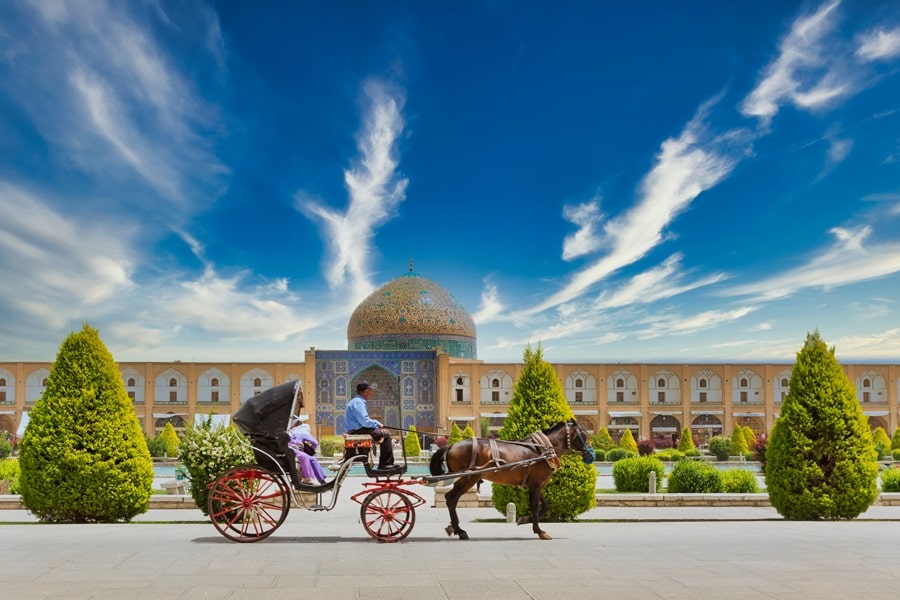
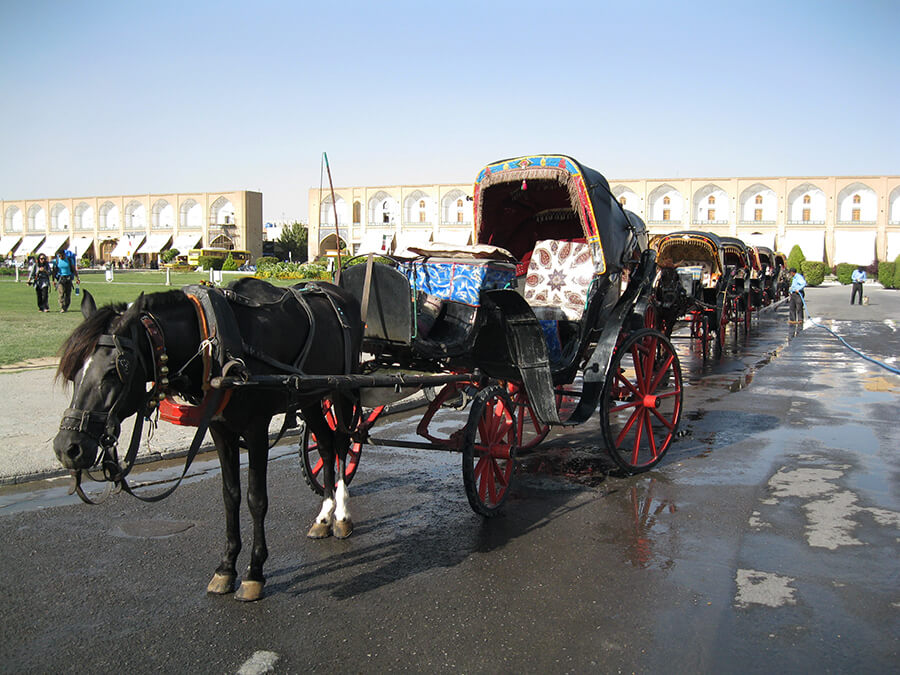
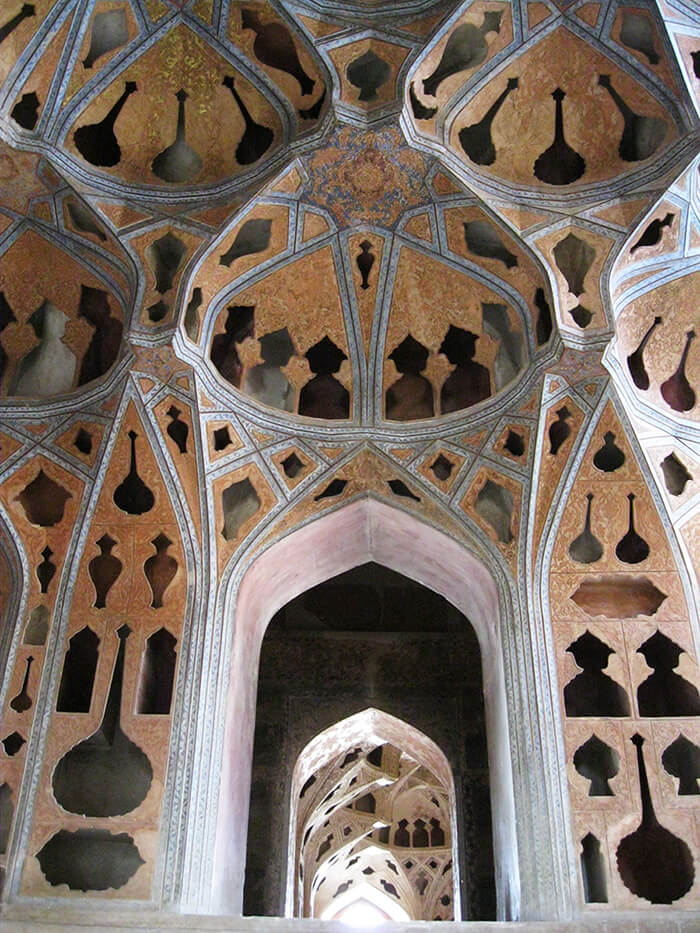
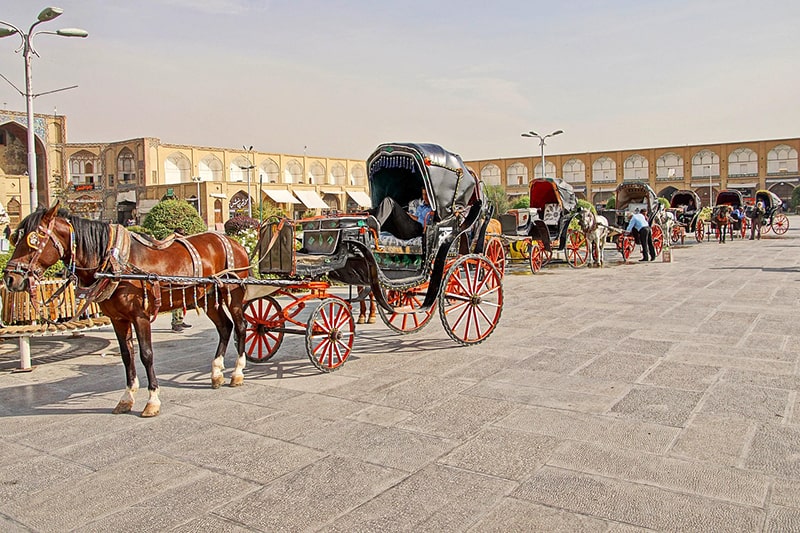
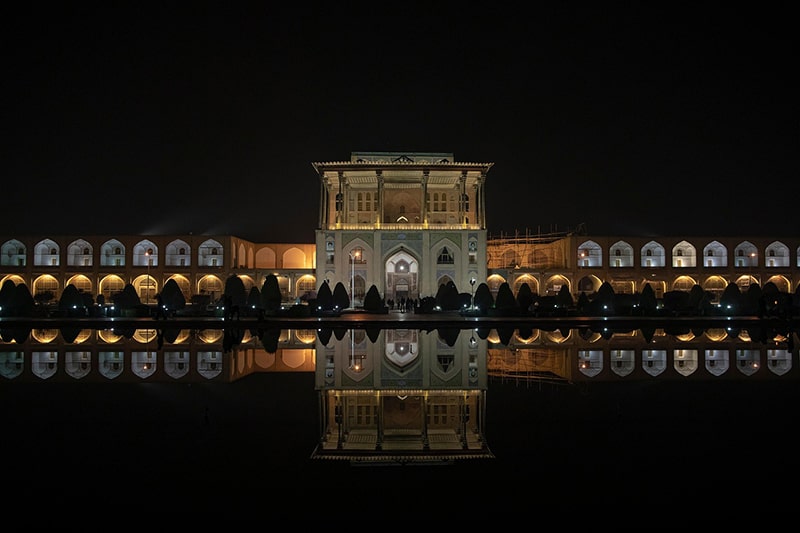
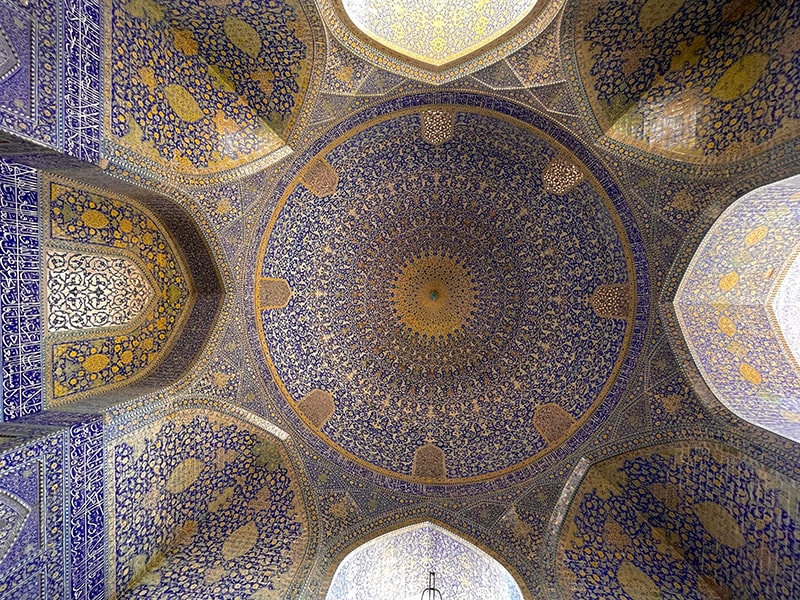
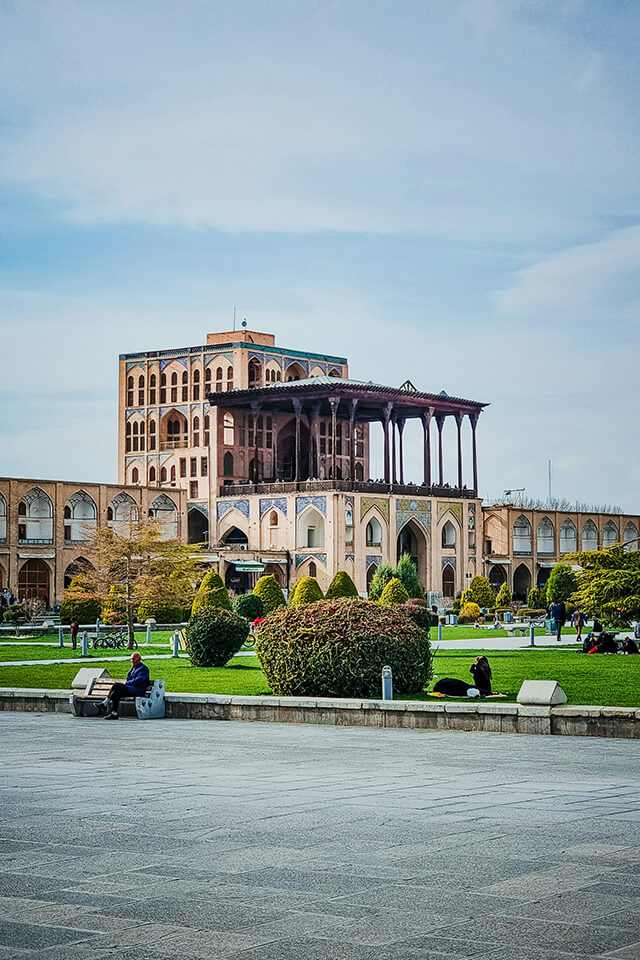
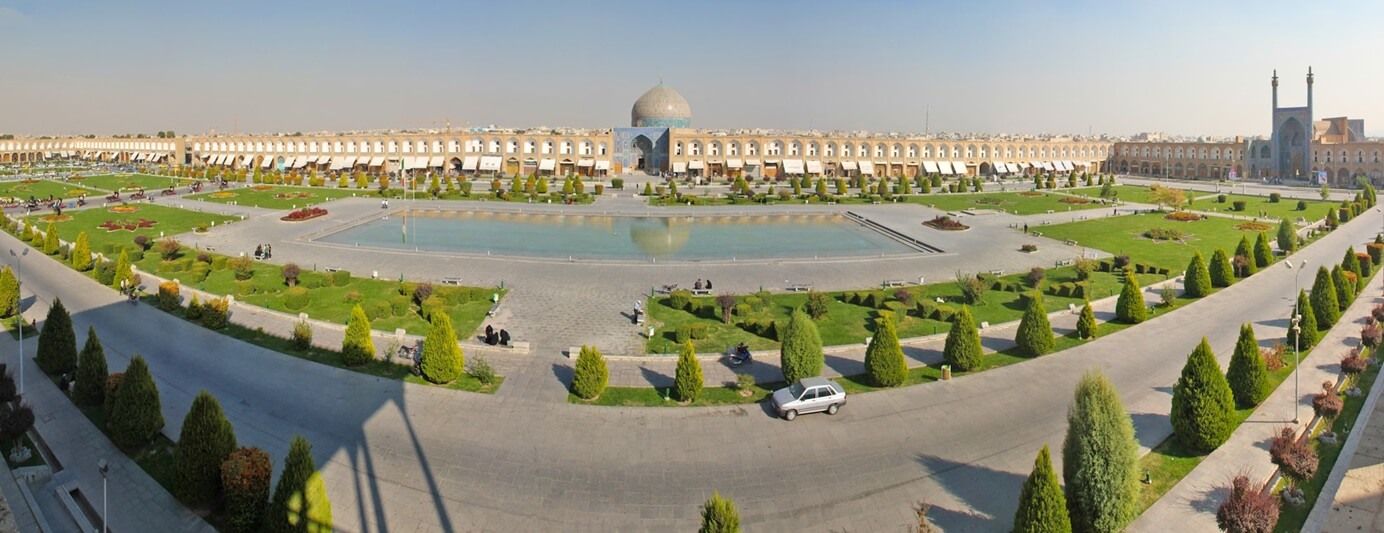
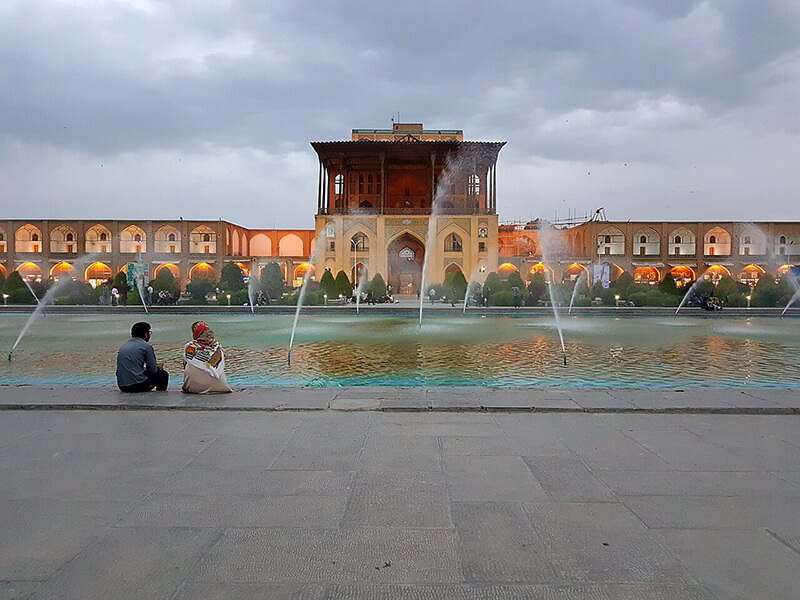
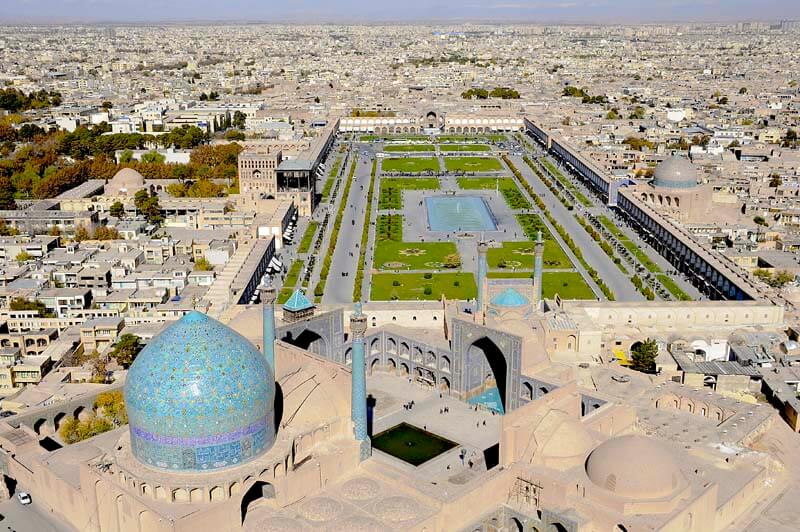
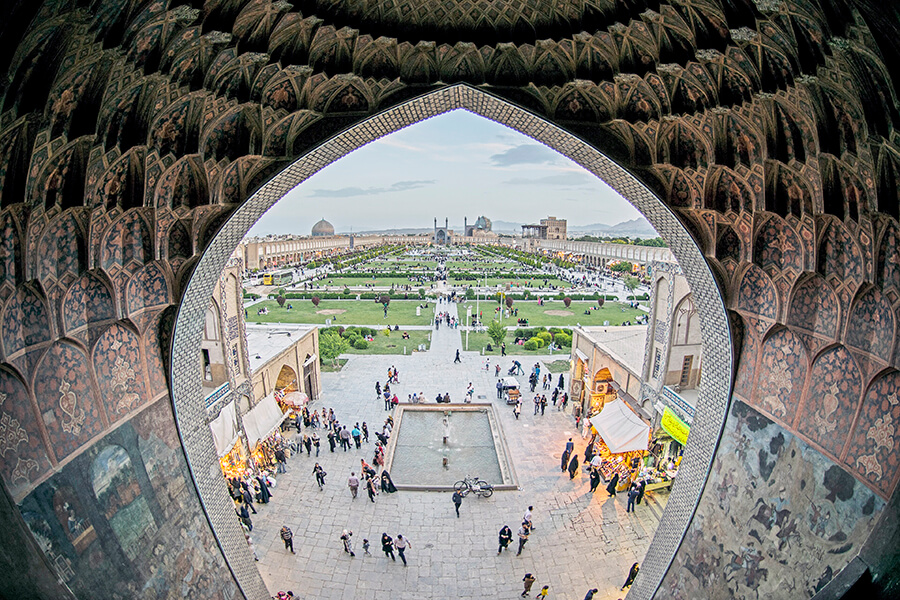
The day continues at Naqsh-e Jahan Square, where the Safavid dynasty created one of the most impressive urban spaces in the Islamic world. Highlights include Shah Mosque, Sheikh Lotfollah Mosque, and Ali Qapu Palace.
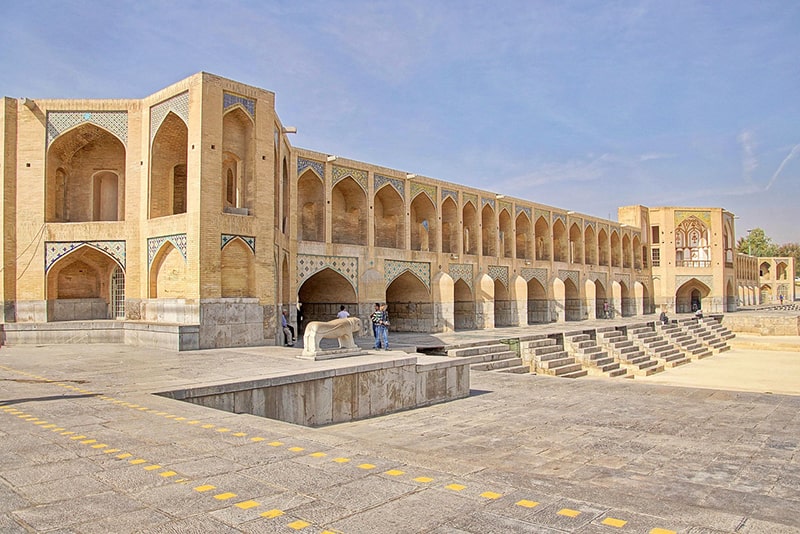
In the evening, we enjoy a walk across Isfahan’s historic bridges, offering a final glimpse into the artistic and cultural achievements of Persia.
Overnight in Isfahan
After breakfast, enjoy a relaxed morning before beginning the journey back to Tehran.
As we travel north toward Imam Khomeini International Airport, there is time to reflect on a journey that has traced the story of Iran from the earliest civilizations of the Elamites to the grandeur of the Achaemenid, Sassanian, and Safavid empires.
Arrival near the airport in the evening for your departure flight.
Archaeological sites are much more meaningful when you understand what you are looking at.
Throughout this journey, your professional archaeology guide helps connect ruins, inscriptions, monuments, and landscapes to the civilizations that created them. Instead of simply walking through ancient sites, you will learn how cities were planned, how rulers used architecture to express power, how religions influenced monuments, and how different Persian civilizations developed over time.
The tour also includes archaeology-focused lectures that introduce the historical periods covered by the itinerary. This gives you a framework for understanding the sites before you arrive and helps connect seemingly distant places into one continuous story.
The result is a deeper archaeological experience for travelers who want more than photographs and short explanations at each monument.
An archaeological tour of Iran focuses on the country's ancient sites, ruins, inscriptions, cities, monuments, and archaeological landscapes rather than only its modern cities and famous tourist attractions. This 10-day journey follows the development of several major civilizations, including the Elamites, Medes, Achaemenids, Parthians, and Sassanians.
The itinerary covers archaeological sites associated with the Elamite, Median, Achaemenid, Parthian, and Sassanian periods, followed by a look at the architectural heritage of Islamic Persia in Isfahan.
Yes. You do not need an academic background in archaeology to join the tour. The guide explains the sites and historical periods in an accessible way, while travelers with a stronger interest in archaeology can benefit from the deeper historical context and site interpretation.
The tour involves regular walking through archaeological sites, ruins, museums, and historic landscapes. Some locations have uneven ground, slopes, or stairs. Comfortable walking shoes are recommended.
Spring and autumn are generally the most comfortable seasons for an itinerary involving extensive outdoor archaeological sites. Summer can be very hot in southwestern Iran, particularly around Khuzestan, while winter can bring colder conditions in western Iran and the Zagros region.
The main focus is the archaeology and history of ancient Iran, but the final day in Isfahan also explores the architectural achievements of Islamic Persia. This provides a broader perspective on how Persian artistic and architectural traditions continued after the ancient empires.
Classic Iran tours usually focus on the country's best-known cities: Tehran, Kashan, Isfahan, Yazd, and Shiraz.
This journey takes a different approach.
Instead of following the classic tourist route, it follows the archaeological geography of Iran. You travel from the ancient Median heartland of Hegmataneh to the inscriptions of Bisotun, the Elamite monuments of Khuzestan, the Sassanian landscapes of Fars, and finally the Achaemenid capitals of Pasargadae and Persepolis.
This means some days involve longer drives and fewer conventional tourist attractions. In return, you see archaeological sites that reveal a much broader story of Iran's past.
For travelers whose main reason for visiting Iran is history, archaeology, and ancient civilizations, this depth is the main attraction.
Depending on their nationality, most travelers will need a visa. We can handle the visa application process for you within 3 business days and offer a full refund if your application is denied.
Booking early gives you the best chance of securing top-quality hotels, especially during high seasons like April, May, September, and October when availability can be limited.
Absolutely! While our daily plans serve as helpful suggestions, you’re free to tailor your experience. Feel free to adjust your attractions and activities once you’re in each city. If you’d like to make significant changes, such as adding extra days or altering the itinerary framework, just get in touch with our support team.
Of course! In our private tours, you have the flexibility to opt out of activities that don’t appeal to you and replace them with ones that do. Your tour is all about your preferences.
We accept bank transfers and debit/credit card payments. For certain tours, you can make a prepayment in advance and settle the remaining amount in cash upon arrival.
Yes, indeed! As this is a private tour designed just for you, you have the freedom to explore at your own pace. You can choose the attractions and activities that interest you most, and our guides will accommodate as much free time as you need in each city.
Our private tours are available in English, and in German, French, Spanish, and Italian upon your request. If you need a guide fluent in another language, let us know and we’ll do our best to accommodate your request.
The tour does not require technical hiking or special climbing skills, but it involves regular walking through archaeological sites, ruins, museums, and uneven terrain. Some sites include stairs or slopes, particularly Qaleh Dokhtar and certain archaeological landscapes. A moderate level of fitness and comfortable walking shoes are recommended.
Most international insurance companies do not cover Iran, but don’t worry—our travel insurance included in the package covers your trip to Iran.
Of course it's not mandatory, but having an Iranian SIM card will make internet access easier. We include an Iranian SIM card in your package for convenience
International credit or debit cards are not accepted in Iran. Bring cash for frequent exchanges, or consider using an “Iran Tourist Card,” a prepaid debit card available upon request from our support team.
For small amounts, you can exchange money at the airport or hotel. For larger sums, we recommend exchanging at a city exchange store with your guide’s assistance to find the best rates.
Cancellations must be made in writing before the tour departure is confirmed. Cancellation fees vary by package and season. For details, please visit our terms and conditions page or email us at [email protected].
Depending on group size and road conditions, we use minibuses, vans, or VIP buses. All vehicles are private, air-conditioned, and meet the EURO4 or EURO5 standards for safety and comfort.
If you have any additional questions, please reach out to us at [email protected]. We’ll be happy to assist you promptly.
| # | Discount group | From adult | To adult | Value |
|---|---|---|---|---|
| 1 | 2 Pax | 2 | 2 | 41% |
| 2 | 3 Pax | 3 | 3 | 49% |
| 3 | 4 Pax | 4 | 7 | 44% |

Best Price Guaranteed

Customizable Tour

Safe Payment

Member Since 2025
Leave a review