

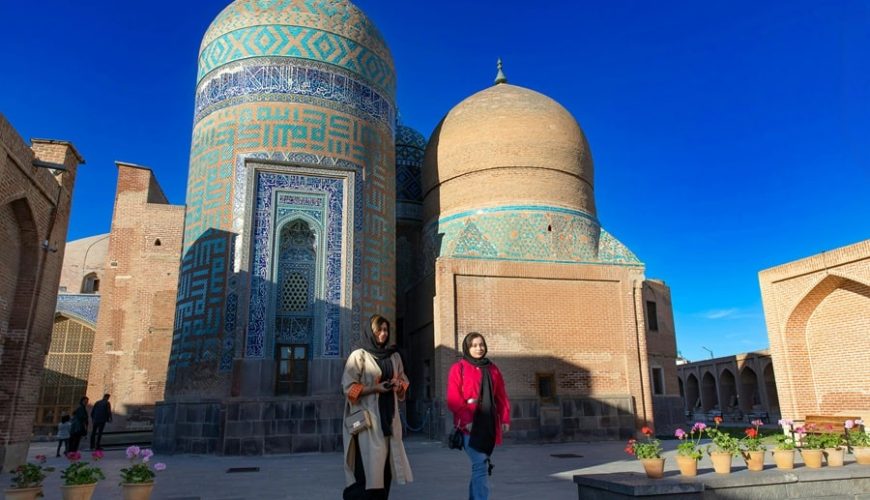
Sheikh Safi al-Din Shrine: Ardabil’s UNESCO Sufi Ensemble
In the highlands of northwest Iran, a Sufi master’s lodge grew into the spiritual home of a dynasty that reshaped a nation. The Sheikh Safi al-Din Shrine in Ardabil holds the tomb of Safavid Iran’s ancestor, a hall once lined with porcelain, and a path of seven stages toward his resting place. Discover its history, its UNESCO story, and how to visit.
-
 BY Shiva
- November 8, 2026 10:00 am
- no comment
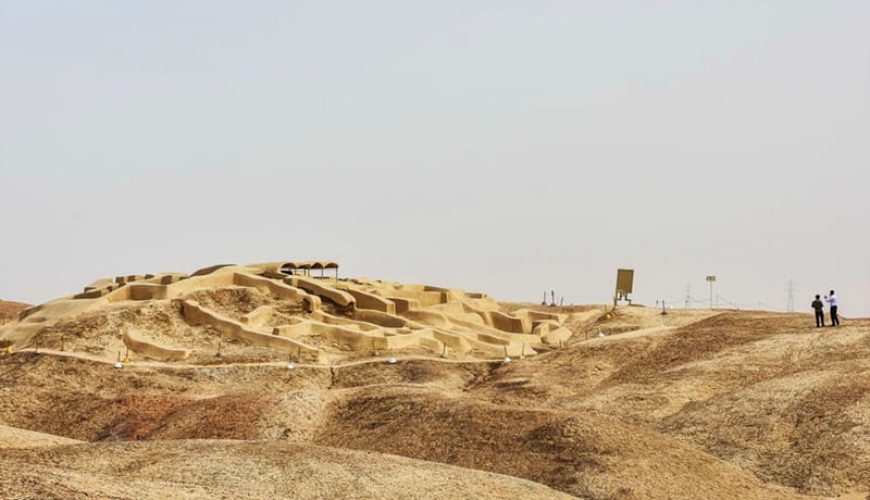
Shahr-i Sokhta: Iran’s Bronze Age Burnt City
In the deserts of Sistan and Baluchestan, Shahr-i Sokhta was one of the largest cities of the Bronze Age — and one of its most mysterious. Burned three times and never rebuilt, it left behind the world’s oldest complete board game, its earliest known artificial eye, and evidence of Bronze Age brain surgery. This guide walks through the city’s settlement periods, what its UNESCO listing protects, and what a visit involves today.
-
BY Shiva
- November 5, 2026 10:00 am
- no comment
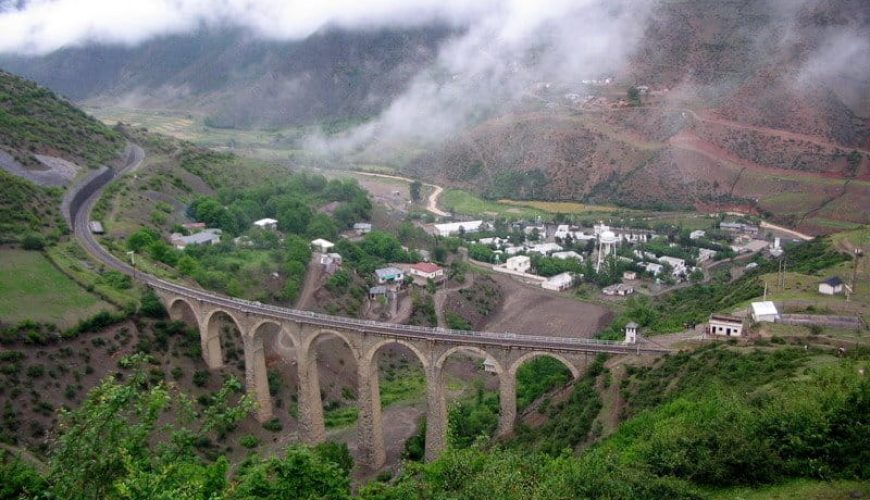
Trans-Iranian Railway: A Monument of Modern Engineering
Threading through two mountain ranges, four climates, and 224 tunnels, the Trans-Iranian Railway is one of the 20th century’s great engineering achievements — and one of Iran’s newest UNESCO World Heritage Sites. Built entirely with domestic funding between 1927 and 1938, it remains a working line today. This guide traces its history, its engineering, and how travelers can experience parts of it firsthand.
-
 BY Tina
- November 1, 2026 10:00 am
- no comment
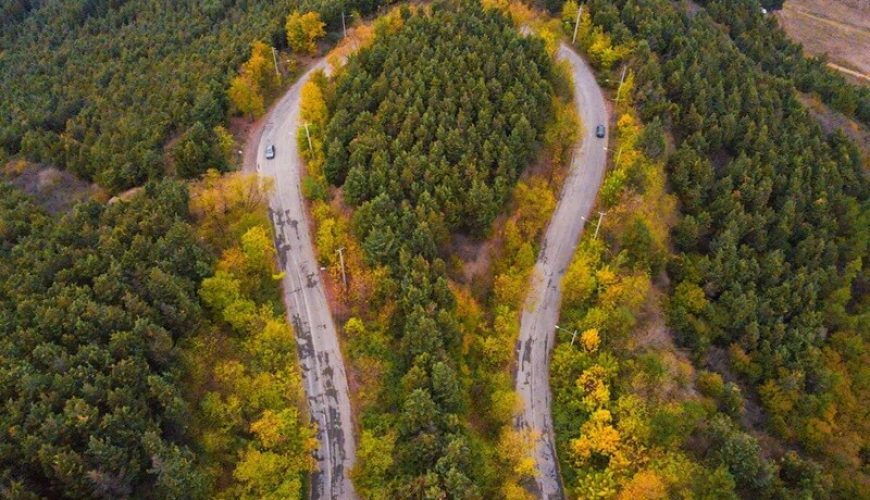
Hyrcanian Forests: Iran’s 40-Million-Year-Old UNESCO Rainforest
Along Iran’s Caspian coast lies a forest older than the Alps — a relic of the age before the last Ice Age reshaped the northern hemisphere. The Hyrcanian forests survived when nearly every other temperate forest on Earth did not, and today shelter the Persian leopard, ancient Zelkova trees, and a way of life shaped by rain, tea, and rice. Here’s what makes this UNESCO site worth the detour north.
-
BY Tina
- October 18, 2026 11:00 am
- no comment
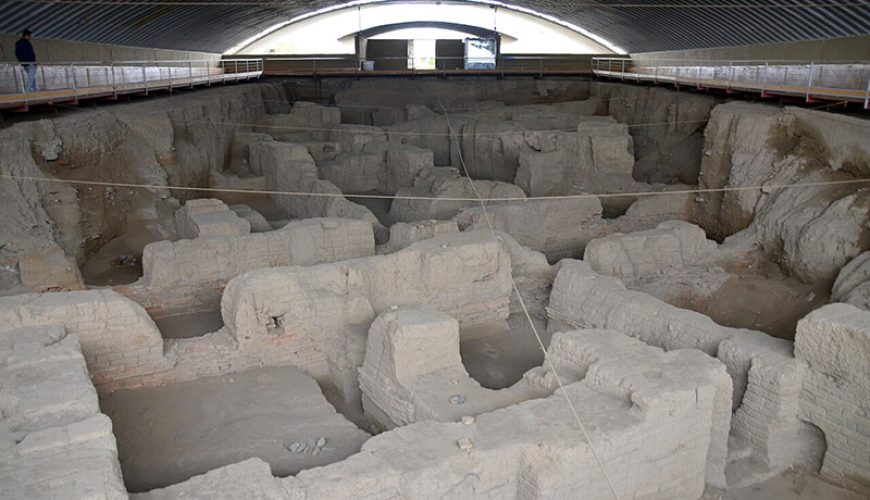
Ecbatana (Hegmataneh): Iran’s Lost Median Capital
Beneath the busy streets of modern Hamadan lies Ecbatana — the capital the Medes built, the Achaemenids escaped the summer heat to, and the Parthians defended for centuries. Inscribed by UNESCO in 2024 under its local name, Hegmataneh, it is one of Iran’s newest World Heritage Sites, and one of its least understood. This guide unpacks the history, the ongoing excavations, and what a visit actually looks like today.
-
BY Tina
- October 15, 2026 10:00 am
- no comment
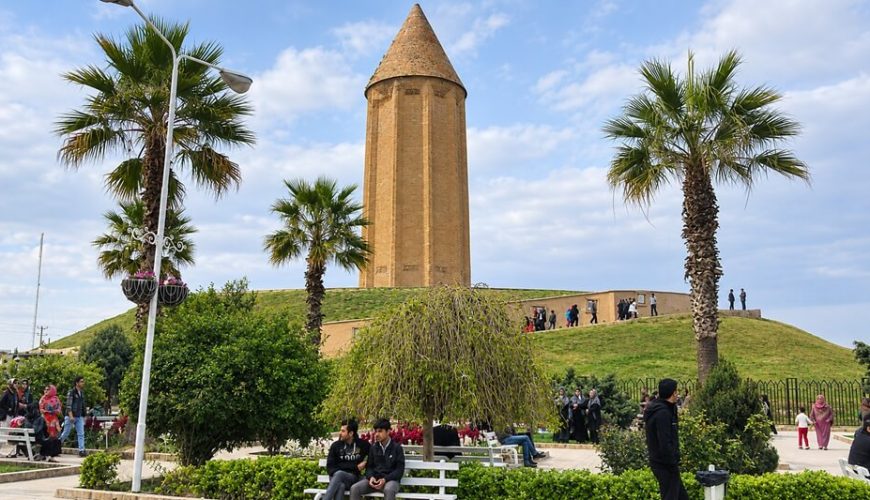
Gonbad-e Qabus: Iran’s Tallest Brick Tower
In Iran’s Golestan province, a 53-metre brick cylinder has outlasted the empire that built it. Gonbad-e Qabus, raised in 1006 CE as a tomb for a warrior-poet king, remains the world’s tallest brick tower and one of Iran’s most mathematically precise monuments. Discover the Ziyarid dynasty behind it, the engineering that keeps it standing a millennium later, and what makes this UNESCO site worth the journey north.
-
BY Shiva
- October 11, 2026 10:00 am
- no comment
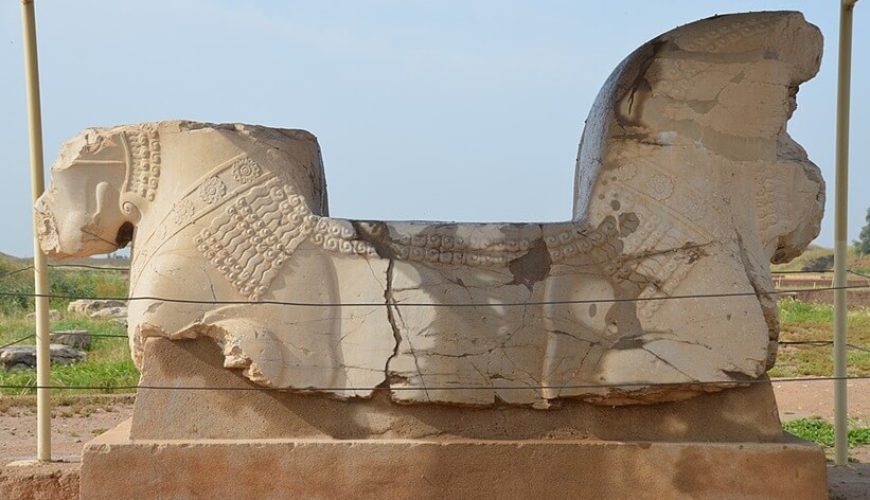
Susa, Iran: The Ancient City Where Three Empires Ruled
Long before Persepolis, there was Susa Iran — a city so old it predates written history, and so contested that Elamites, Persians, Greeks, and Parthians all called it home. Today it’s one of Iran’s most layered UNESCO sites, and one of its least visited.
-
BY Tina
- September 27, 2026 10:00 am
- no comment
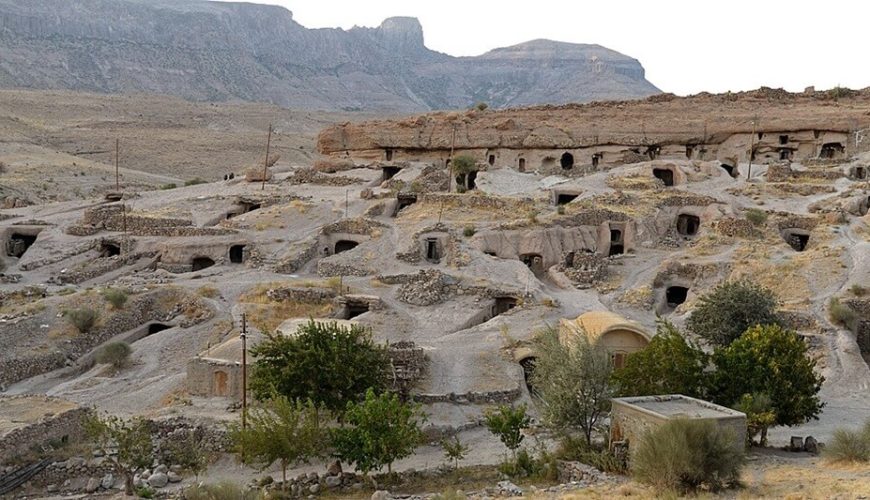
Maymand Village: Iran’s Ancient Cave-Carved UNESCO Site
In a dry valley at the southern edge of Iran’s central mountains, a small community still moves between three settlements a year, retreating each winter into homes carved by hand from the rock. This is Maymand village — one of Iran’s most understated UNESCO sites, and one of the few places on earth where a troglodyte landscape is still, quietly, someone’s home.
-
BY Tina
- September 24, 2026 10:00 am
- no comment
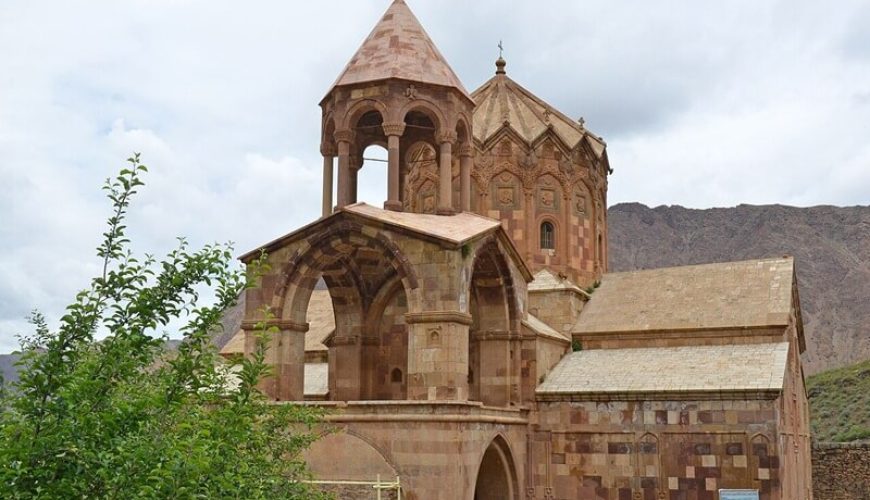
Armenian Monastic Ensembles of Iran: Three Sacred UNESCO Sites
Tucked into the mountains of Iranian Azerbaijan, the Armenian Monastic Ensembles of Iran preserve three living churches — St Thaddeus, Saint Stepanos, and the relocated Chapel of Dzordzor — each shaped by earthquakes, invasions, and centuries of Armenian-Persian coexistence. This UNESCO-listed trio remains far off the usual itinerary, rewarding travelers willing to make the drive with a rare, still-active piece of Christian heritage.
-
BY Tina
- September 20, 2026 10:00 am
- no comment
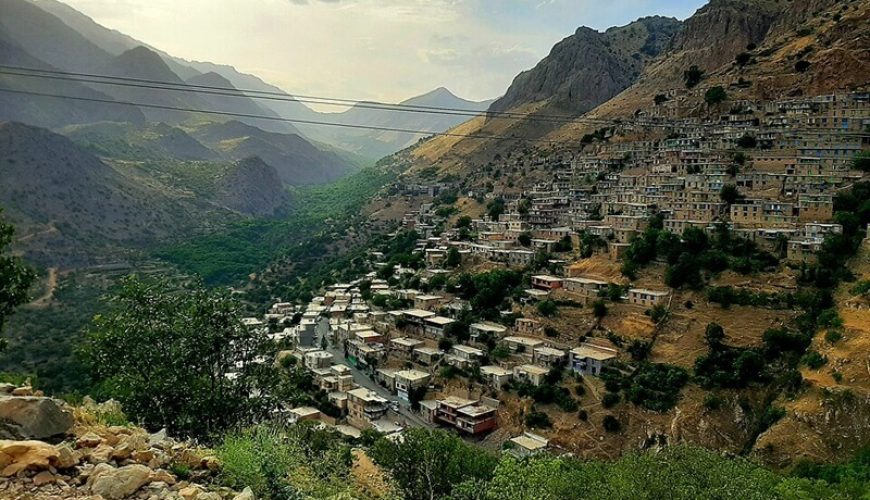
Hawraman Uramanat: Iran’s Stepped Villages of the Zagros
In the western Zagros, where Kurdistan and Kermanshah meet the Iraqi border, the villages of Hawraman Uramanat climb the mountainside in stone staircases — each roof forming the courtyard above it. Home to the Hawrami people since roughly 3000 BCE, this UNESCO cultural landscape is still lived in, farmed, and sung in a dialect older than modern Persian. Here is what makes it one of Iran’s most quietly remarkable places to visit, and how to see it well.
-
BY Shiva
- September 6, 2026 10:00 am
- no comment