

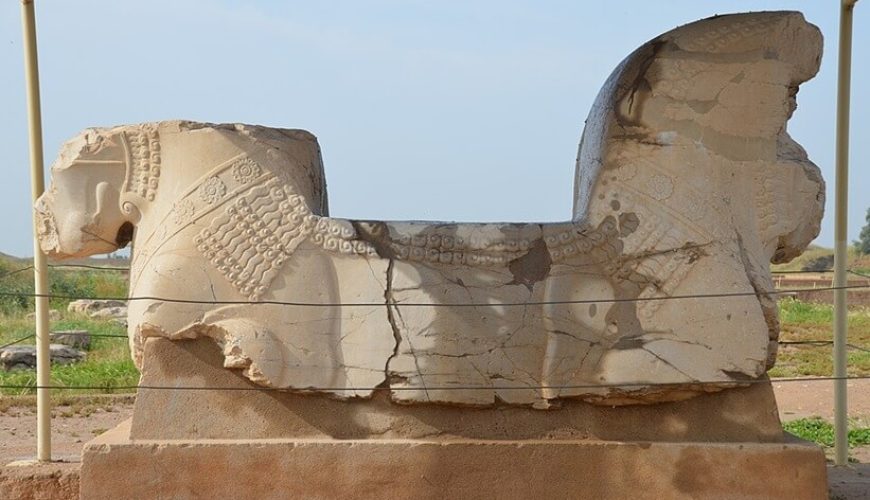
Susa, Iran: The Ancient City Where Three Empires Ruled
Long before Persepolis, there was Susa Iran — a city so old it predates written history, and so contested that Elamites, Persians, Greeks, and Parthians all called it home. Today it’s one of Iran’s most layered UNESCO sites, and one of its least visited.
-
 BY Tina
- September 27, 2026 10:00 am
- no comment

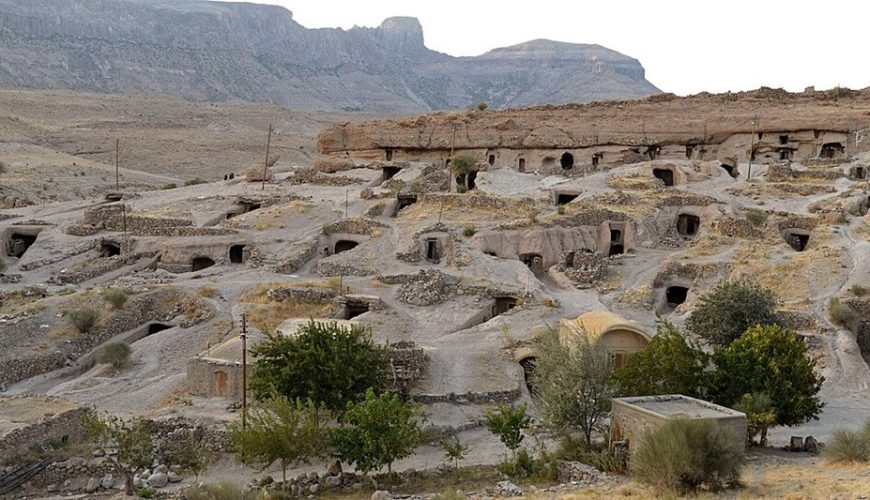
Maymand Village: Iran’s Ancient Cave-Carved UNESCO Site
In a dry valley at the southern edge of Iran’s central mountains, a small community still moves between three settlements a year, retreating each winter into homes carved by hand from the rock. This is Maymand village — one of Iran’s most understated UNESCO sites, and one of the few places on earth where a troglodyte landscape is still, quietly, someone’s home.
-
BY Tina
- September 24, 2026 10:00 am
- no comment
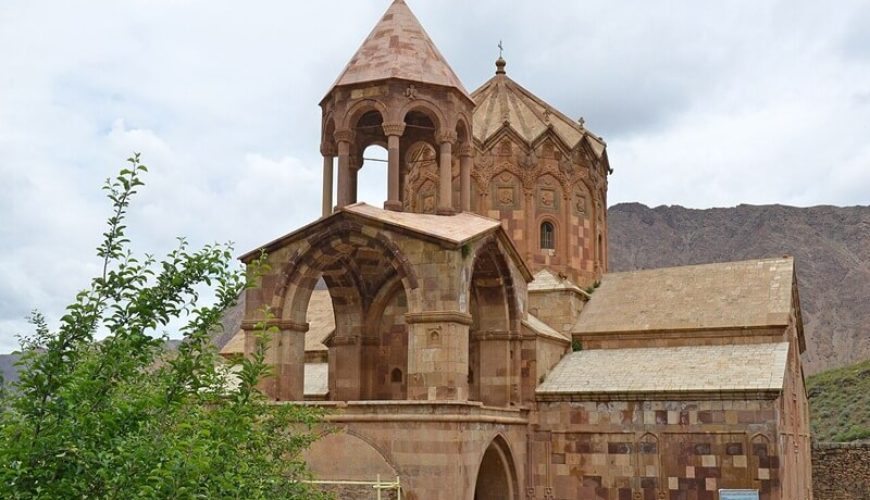
Armenian Monastic Ensembles of Iran: Three Sacred UNESCO Sites
Tucked into the mountains of Iranian Azerbaijan, the Armenian Monastic Ensembles of Iran preserve three living churches — St Thaddeus, Saint Stepanos, and the relocated Chapel of Dzordzor — each shaped by earthquakes, invasions, and centuries of Armenian-Persian coexistence. This UNESCO-listed trio remains far off the usual itinerary, rewarding travelers willing to make the drive with a rare, still-active piece of Christian heritage.
-
BY Tina
- September 20, 2026 10:00 am
- no comment
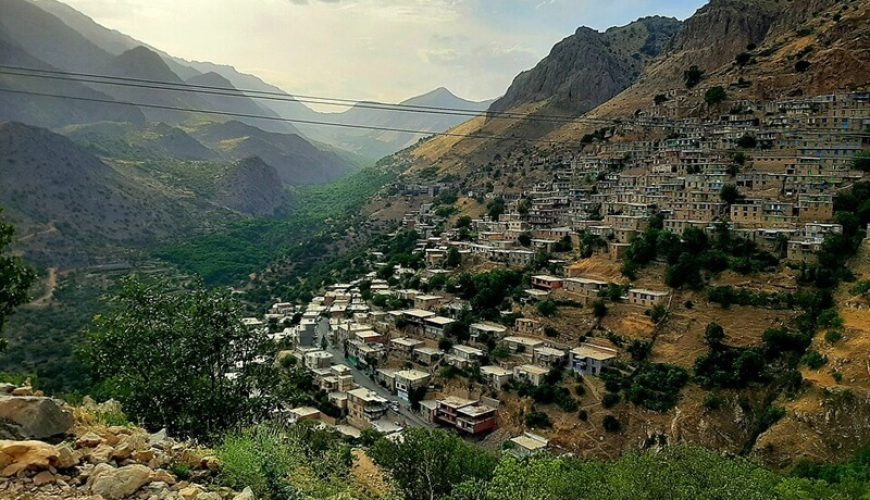
Hawraman Uramanat: Iran’s Stepped Villages of the Zagros
In the western Zagros, where Kurdistan and Kermanshah meet the Iraqi border, the villages of Hawraman Uramanat climb the mountainside in stone staircases — each roof forming the courtyard above it. Home to the Hawrami people since roughly 3000 BCE, this UNESCO cultural landscape is still lived in, farmed, and sung in a dialect older than modern Persian. Here is what makes it one of Iran’s most quietly remarkable places to visit, and how to see it well.
-
 BY Shiva
- September 6, 2026 10:00 am
- no comment

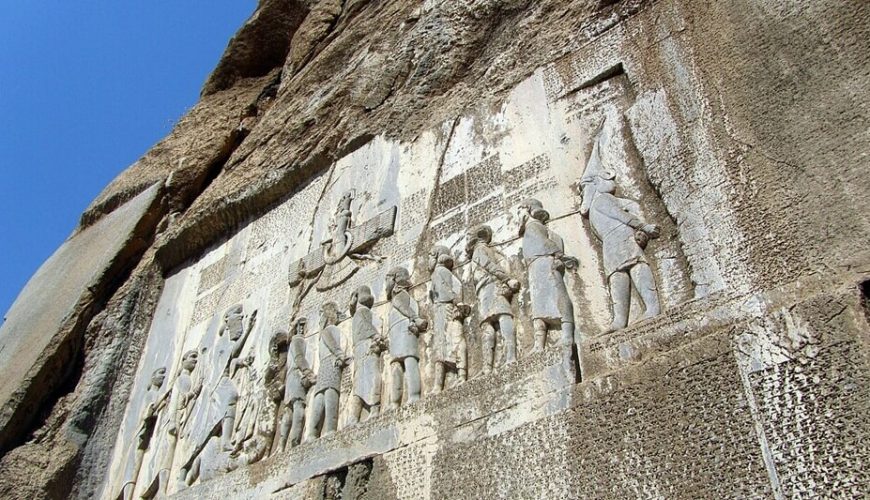
Bisotun: The Ancient Inscription That Unlocked Cuneiform Script
High above the plains of Kermanshah, a Persian king once carved his version of history into solid rock. Bisotun’s trilingual inscription became the key that unlocked cuneiform script for the modern world, and its cliffs still hold traces of human life stretching back tens of thousands of years.
-
BY Shiva
- September 3, 2026 10:00 am
- no comment
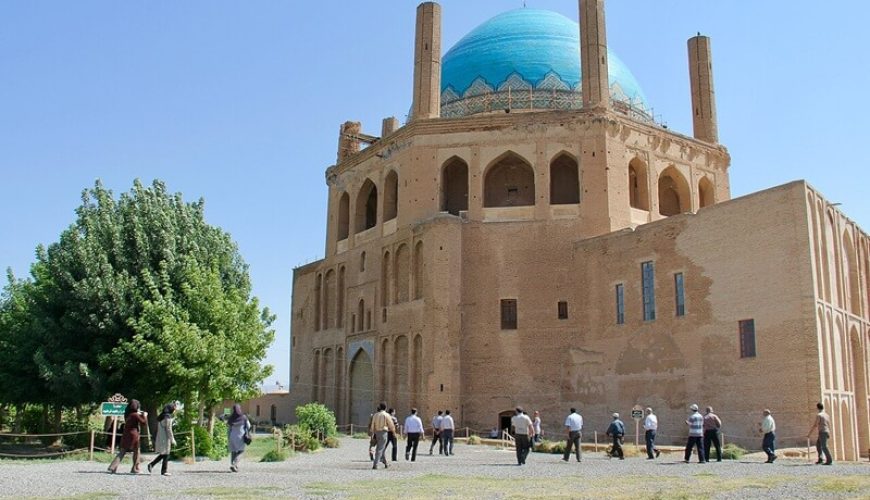
The Dome of Soltaniyeh: Iran’s Forgotten Masterpiece
Rising 50 meters above the plains of Zanjan, the Soltaniyeh Dome is Iran’s most overlooked architectural wonder — and one of the most consequential buildings in history. Built between 1302 and 1312 by a Mongol ruler who converted through five religions in a single lifetime, this UNESCO World Heritage Site introduced the double-shell dome to the world — a structural innovation that scholars trace forward to the Taj Mahal, and possibly to Brunelleschi’s Florence.
-
BY Shiva
- August 30, 2026 10:00 am
- no comment
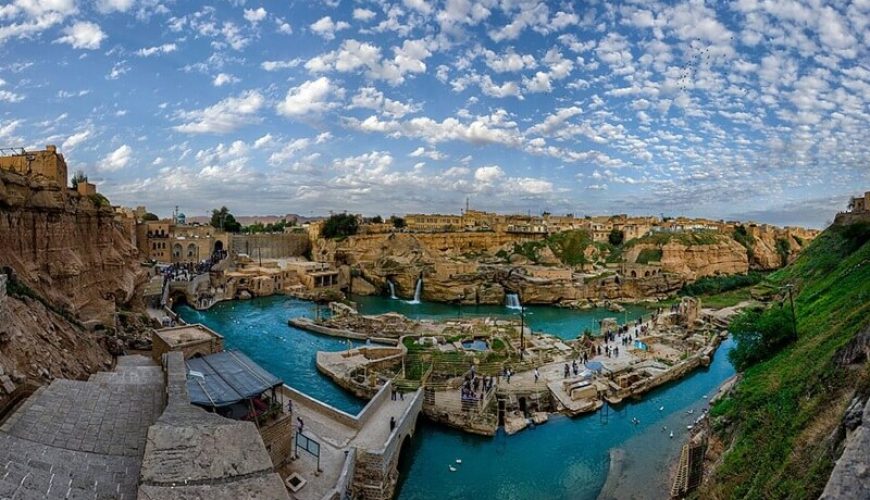
Shushtar Historical Hydraulic System: Iran’s UNESCO Water Masterpiece
In the heart of Khuzestan, the Shushtar Historical Hydraulic System still moves water the way it has for nearly two thousand years. Dams, tunnels, and watermills built under Persian and Roman hands work together as one living machine — engineering Iran once used to turn desert into orchard. This is the story of how it was built, what UNESCO recognized in it, and how to experience it today.
-
BY Shiva
- August 16, 2026 10:00 am
- no comment
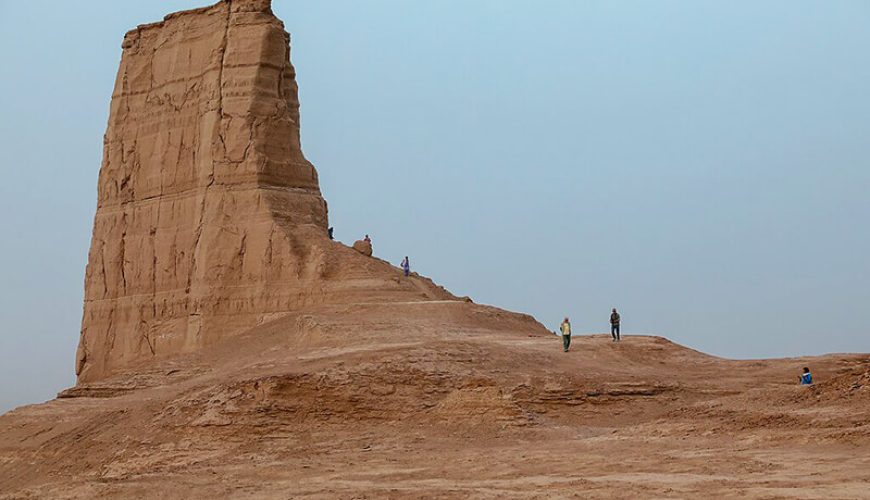
Lut Desert: Iran’s UNESCO World Heritage Site of Extremes
In Iran’s southeast, the Lut Desert holds a record no other place on Earth can claim: the hottest land surface ever measured. This is also where wind alone has carved a UNESCO World Heritage landscape of wind-carved ridges, salt basins, and dune fields that shift with every season. Life persists here too, in forms adapted to conditions that would kill almost anything else. Visited properly, with a guide, it becomes one of Iran’s most quietly overwhelming experiences.
-
BY Tina
- August 13, 2026 10:00 am
- no comment
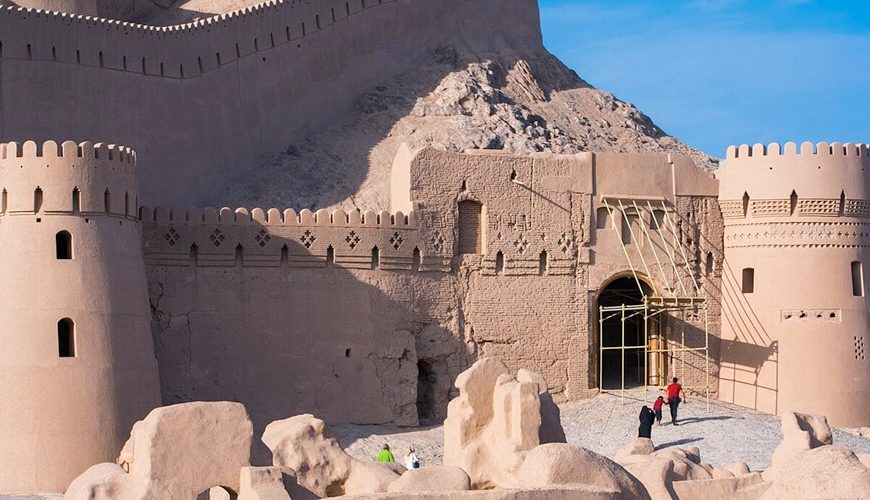
Bam Citadel: Ancient Fortress & UNESCO World Heritage Site
Built entirely from the desert beneath it, Arg-e Bam is the world’s largest adobe structure and one of Iran’s most remarkable UNESCO World Heritage Sites. This is the story of a 2,500-year-old oasis city — its ancient water engineering, its Silk Road heritage, and its extraordinary recovery from the 2003 earthquake.
-
BY Shiva
- August 9, 2026 10:00 am
- no comment
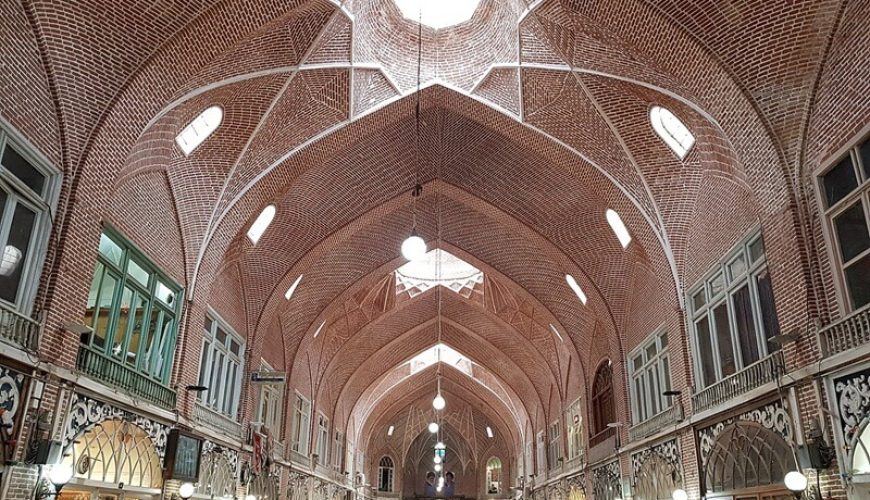
Tabriz Historic Bazaar: Silk Road Legacy
The Tabriz Historic Bazaar Complex does not announce itself the way a palace or a mosque does. It does not demand your gaze from across a square. It pulls you inward — corridor by corridor, turning by turning, the sound of hammered copper somewhere ahead — until you are fully inside it, inside its logic […]
-
BY Shiva
- July 26, 2026 10:00 am
- no comment