

Table of Contents
Short answer: Daily life in Iran has, for the most part, returned to its familiar rhythm — calm streets, open bazaars, and the kind of hospitality that tends to stay with travelers long after they’ve left. At the same time, the broader regional picture has not fully settled, and several governments currently advise against travel to Iran. At Compassimo, we’d rather give you a grounded, honest picture than a confident sales pitch — so here is what we are genuinely seeing on the ground, and what we think is still uncertain.
We update this page regularly as conditions change. If you want a real-time read on the situation before you finalize your Iran travel planning and book, message us directly and we’ll give you a straight answer.
Where Things Stand Right Now
The tensions that disrupted travel earlier in 2026 have eased considerably, and a ceasefire framework has been holding, though discussions toward a longer-term arrangement are still underway. We want to be honest about what that means in practice: things have improved a great deal since the height of the disruption, but we don’t yet feel comfortable saying tourism conditions have fully stabilized. Even those of us living and working here can’t predict with certainty how the coming months will unfold.
What we can tell you, as of this update:
- Tourist visas are being processed again, largely following the procedures travelers would recognize from before this year’s disruptions, with a few minor additions — some applicants are being asked for a touch more background information, and our team now completes an extra administrative form on your behalf.
- Domestic flights, trains, and long-distance buses are operating, alongside a gradual, phased return of international air routes.
- Many of Iran’s most-loved destinations — Isfahan, Yazd, Shiraz, Kashan, Qeshm Island, Tabriz, and Mashhad among them — have settled back into their usual pace of daily life, with hotels, bazaars, and tea houses open and welcoming visitors.
- A small number of culturally significant sites remain temporarily closed while assessments continue. We’ll always tell you plainly, before you book, which parts of your itinerary may be affected.
We share this not to wave you toward booking, but because we think travelers deserve a clearer, less filtered picture than headlines tend to offer.
What Foreign Government Travel Advisories Say
Several governments — including the United States, United Kingdom, Australia, and Canada — currently list Iran at their highest advisory level. This matters in a few practical ways:
- Travel insurance: many standard policies exclude coverage for trips taken against your government’s advisory, so it’s worth checking your policy terms closely.
- Consular support: embassy services for some nationalities remain limited.
- It shifts often: these advisories are updated frequently, and don’t always capture the day-to-day texture of life in a specific city.
We’d encourage every traveler to read their own government’s current advisory directly, rather than relying on any summary, including ours:
- US citizens: travel.state.gov
- UK citizens: gov.uk/foreign-travel-advice/iran
- Australian citizens: smartraveller.gov.au
- Canadian citizens: travel.gc.ca/destinations/iran
Whether to travel against this guidance is a personal decision, shaped by your nationality, your tolerance for uncertainty, and how you weigh official advisories against the experiences of people who are actually here. We won’t tell you the advisories are wrong. We simply want you to have both perspectives before you decide.
What Everyday Life Actually Feels Like
This is the part international coverage rarely lingers on, and it’s where our experience as a Tehran-based team has the most to offer.
The streets are calm, and serious crime against visitors is rare. Petty theft can occur, much as it might in any well-trodden market or transit hub, and the usual quiet vigilance applies — nothing more exotic than that.
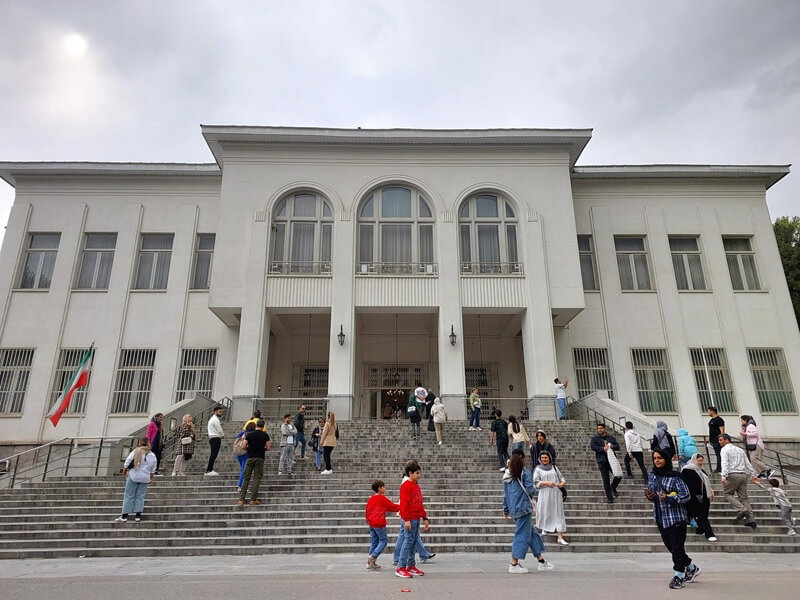
Hospitality remains Iran’s defining gift to travelers. Almost everyone we work with comes back with a story: an invitation to tea, an unprompted walk to the right bus stop, a conversation that turned into an afternoon. It’s less a tourism cliché than a genuinely consistent thread running through nearly every trip we curate.

📷Photo by Reza Khavarani on Pexels
Traffic, more than anything else, asks for your attention. Iranian cities move at a brisk, confident pace, and crossing the street takes a little recalibration. In practice, this is a far more common source of traveler unease than anything resembling crime.
Water and food are generally safe in cities, with bottled water sensible in rural areas, and the kind of mild stomach adjustment any unfamiliar cuisine might bring.
Connectivity has returned, though it asks for some patience. International access is back for most travelers, but speeds remain noticeably slower than before, and a VPN is still standard practice for reaching platforms like WhatsApp, Instagram, and X. If staying constantly connected matters for your work, it’s worth planning around.
Is It Safe to Travel to Iran Right Now?
Honestly, it depends on your relationship with uncertainty.
You may prefer to wait if:
- You value highly predictable conditions
- Uninterrupted internet access is essential for you
- Shifting regional developments would weigh on you
- Your travel dates are fixed and inflexible
You may feel ready to go if you’re a traveler who’s comfortable adapting as circumstances evolve, and who wants a clearer-eyed, locally informed read before deciding rather than a generic yes or no.
This is, in the end, our honest opinion as a team based here: we would love to welcome you to Iran, but we believe that honesty serves you better than enthusiasm. Daily life has largely settled back into its familiar shape across much of the country, and we don’t believe enough time has passed to call tourism conditions fully stable. The coming months should bring more clarity, and we’ll keep this page current as they do.
Is Iran Safe for Solo Travelers?
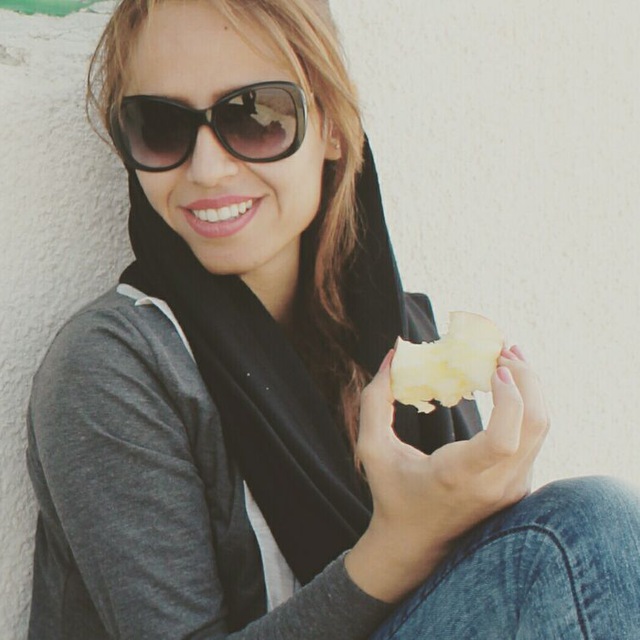
Solo travelers, including women, consistently describe feeling secure moving through Iran independently, particularly in well-loved destinations like Isfahan, Shiraz, and Yazd. The legal dress code — hair, arms, and legs covered in public for women — applies to visitors as it does to residents; most travelers describe it as a small adjustment rather than a real obstacle. The same quiet awareness you’d carry in any unfamiliar city after dark applies here too.
First-time visitors to the Middle East often find Iran considerably easier to navigate than they expected. Tourist infrastructure in the major cities is well established, and English is reasonably common around hotels and key sites.
Practical Things Worth Knowing
Iran’s laws and customs differ meaningfully from those many travelers are used to. Here’s what comes up most often as we prepare guests for their journey:
| Topic | What to know |
|---|---|
| Dress | Women: hair, arms, and legs covered in public — a headscarf and a loose-fitting manteau are standard. Men: shorts are best avoided in most settings. |
| Alcohol | Not permitted in Iran; don’t plan to bring any in or find it locally. |
| Photography | Best avoided around government buildings, military sites, or checkpoints. |
| Devices | Worth being mindful of phone and laptop content, much as you would for any country with thorough customs screening. |
| Public conduct | Public displays of affection are best kept private. |
| Currency | International cards generally don’t work here — bring cash (euros or US dollars) or use a tourist-oriented prepaid option. |
We walk every guest through these details ahead of arrival — it’s simply part of thoughtful preparation, not a cause for concern.
Money and Connectivity
- Cards won’t work. International debit and credit cards aren’t usable in Iran; bring cash and exchange it through official offices, or ask us about tourist-friendly prepaid alternatives.
- Local SIM cards are inexpensive and easy to arrange on arrival — useful for maps and staying in touch.
- A VPN is worth installing before you travel, for the platforms mentioned above.
- Exchange your money through authorized offices, not informal street exchanges, to make sure you’re getting a fair rate.
Final Thought: On Safety and Uncertainty
Iran is not a simple destination to write about honestly right now, and we’ve tried not to. The country that travelers encounter in its bazaars, courtyards, and tea houses — generous, layered, quietly extraordinary — is real, and it hasn’t gone anywhere. So is the uncertainty that shapes the current regional picture.
What we believe, after years of guiding visitors through this country, is that Iran rewards those who arrive with genuine curiosity, a degree of flexibility, and the right support around them. The travelers we’ve walked through Iran have almost universally left surprised — by the warmth they found, by the depth of what they experienced, and by how different the reality was from the impression they’d carried in.
If you’re in the early stages of thinking about a trip, we’d genuinely love to hear from you. Not to sell you a tour before the time is right, but to give you a real, current answer about what traveling here looks like today.
Have questions about planning your trip to Iran?
Looking for an honest, up-to-date picture to find the right time to travel?
FAQs about Is It Safe to Travel to Iran
1. Is Iran safe to travel to right now?
Daily life in major tourist destinations has largely returned to its usual rhythm, though several governments currently advise against travel and the regional situation hasn’t fully settled. We’d recommend checking your government’s advisory and speaking with us directly before booking.
2. Is Iran safe for Americans?
US citizens currently face a Level 4 “Do Not Travel” advisory, the US State Department’s highest level. This is a decision worth making with the official advisory in hand, alongside an honest, current read from people on the ground.
3. Is Iran safe for solo female travelers?
Many women travel independently through Iran and describe feeling genuinely secure, particularly when following the legal dress code and the same everyday awareness that serves well anywhere.
4. Do I need a guide or tour operator to visit Iran?
Not for every nationality, legally — but most travelers, especially first-timers, find that local support with visas, transport, and logistics makes the experience considerably smoother, particularly given that international banking doesn’t function normally here.
5. What’s the crime rate like for tourists in Iran?
Serious crime against visitors is rare. Petty theft can occur in crowded areas, as it might anywhere well-traveled, and is easily managed with ordinary care.
6. Has the situation in Iran affected tourism in 2026?
Yes, regional tensions earlier in the year disrupted flights and bookings considerably. Conditions have eased since, though we wouldn’t describe them as fully settled — we’d recommend confirming current details with us close to your travel dates rather than relying on older information.
This page reflects Compassimo’s understanding of conditions as of June 24, 2026, and we update it as the situation develops. It offers general guidance, not a substitute for your own government’s official travel advisory or your personal judgment about risk and timing.
0 Comment