

Table of Contents
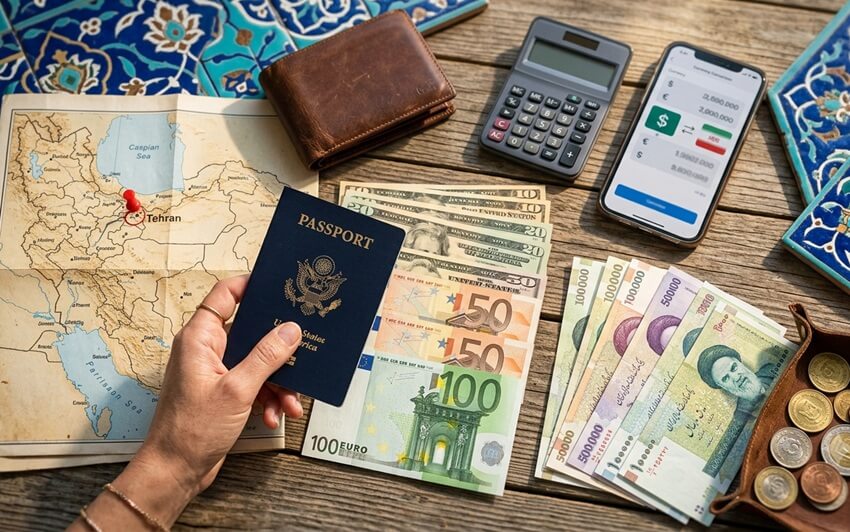
A vendor in Isfahan’s bazaar holds up a calculator, taps a few numbers, and turns it toward you: 450. No currency symbol, no context — just a number and a raised eyebrow. This is the moment nearly every visitor to Iran eventually faces. Iran currency is the Iranian rial, but daily life runs almost entirely on an unofficial unit called the toman, worth ten rials — and knowing which one you’re being quoted is the single most useful piece of financial literacy you’ll carry into the country. It sounds like a small detail. In practice, it shapes every transaction you’ll make, from a cup of tea to a carpet.
None of this makes Iran a difficult place to spend money — quite the opposite. Cash is accepted everywhere, prices are honest by regional standards, and once the rial-toman logic clicks, the rest follows naturally. This guide walks through exactly how it works, what to bring, where to exchange it, and the everyday moments where the two currencies collide.
Rial vs Toman: Iran’s Two-Currency System Explained
Iran is one of the few countries where the official currency and the currency people actually speak in are not the same thing. The Iranian rial (IRR) is what appears on banknotes, in official pricing, and on receipts. The toman, however, is what you’ll hear in nearly every spoken transaction — in taxis, restaurants, hotels, and bazaars alike.
The relationship between the two is simple once it’s named: one toman equals ten rials. So if a banknote or a printed price reads 500,000 rials, that same amount spoken aloud will almost always be given as 50,000 toman. Drop a zero to go from rial to toman; add one to go the other way.
10 Rials = 1 Toman
500,000 Rials = 50,000 Tomans
.
Why Iran Uses Two Currency Names at Once
This isn’t a tourist trick or a mistake — it’s a long-standing part of everyday life in Iran. The toman was the country’s official currency until 1932, when the rial replaced it. But the old unit never disappeared from daily speech, and years of inflation made it even more practical to use. Saying “50 tomans” is far simpler than saying “500,000 rials.” As a result, most Iranians still quote prices in tomans, even though the rial is the official currency.
Reading Prices Like a Local
A few simple habits will make paying in Iran much easier:
- If a price is spoken without mentioning the currency, it’s almost always in toman.
- People often drop the word “thousand.” If a taxi driver says panjah (“fifty”), they usually mean 50,000 toman, not 50 toman.
- Official documents, receipts, museum tickets, and many printed price lists are usually in rial, while shopkeepers, taxi drivers, and restaurant staff typically quote prices in toman.
- If you’re unsure, just ask whether the price is in rial or toman. It’s a common question, and locals are happy to clarify.
Iran’s Planned Currency Reform
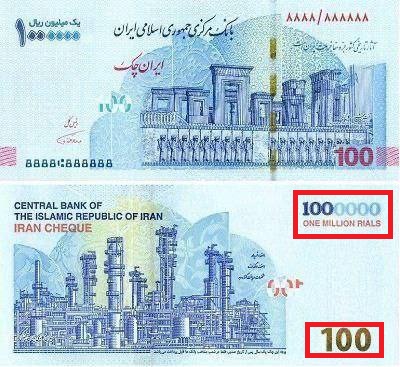
You may see headlines about Iran dropping four zeros from its currency or introducing a new rial. The proposal is real, but it has not yet taken effect.
For travelers, the important point is simple: the rial remains Iran’s official currency, and people still use the toman in everyday conversation, exactly as described above. That’s what you’ll encounter when paying for taxis, meals, shopping, or entrance tickets.
If Iran begins implementing the reform in the future, there will be a transition period during which old and new banknotes are expected to circulate together. We’ll keep this guide updated with the latest information, so you don’t need to prepare for any currency changes before your trip.
Understanding Iran’s Exchange Rate
One thing that surprises many first-time visitors is that Iran effectively has two exchange rates. The official government rate is the one shown by many search engines and currency converter apps, but it’s not the rate most travelers receive. In practice, licensed exchange offices and local money changers use the free-market rate, which is typically much weaker than the official rate.
Because the free-market rate can change frequently, check the current rate shortly before your trip rather than relying on figures from older articles or Google searches. Licensed exchange offices (sarrafi) can always quote the live market rate on the day you exchange your money.
Bringing Money to Iran
Because of international sanctions, foreign bank cards do not work in Iran. Planning how you’ll pay for things before you arrive is one of the most important parts of preparing for your Iran trip.
Will My Credit Card Work in Iran?
No. Visa, Mastercard, American Express, and other foreign-issued bank cards cannot be used in Iran. International payment services such as PayPal, Apple Pay, and Google Pay are also unavailable. As a result, cash remains the primary payment method for most foreign visitors.
What Currency Should You Bring?
US dollars and euros are the easiest currencies to exchange throughout Iran. To get the best exchange rate:
- Bring clean, undamaged banknotes. Torn, heavily marked, or very old bills may be refused or exchanged at a lower rate.
- Larger denominations (such as $100 or €100 notes) often receive better rates than smaller notes.
- If possible, carry both USD and EUR in case one is temporarily easier to exchange than the other.
Where to Exchange Money
Licensed exchange offices (sarrafi) offer the best and most reliable exchange rates and are the preferred choice for both travelers and locals. Ask your guide or tour operator for recommendation on exchanging money. Airport exchange counters are convenient if you need cash immediately after landing, but they’re generally better suited for exchanging a small amount rather than your entire budget.
Tourist Debit Cards
If you’d rather not carry large amounts of cash, tourist debit cards are a practical alternative. Available through Iranian travel companies and tour operators, these prepaid cards can be loaded with foreign currency, converted into Iranian rial, and used for purchases or ATM withdrawals throughout your trip.
If you’re traveling with Compassimo, we can help arrange a tourist debit card before or during your visit, making it easier to pay for personal expenses, restaurants, and shopping without carrying all your cash at once. You can also find more arrival tips in our Iran Travel Visa Guide.
Everyday Money Moments in Iran
Understanding the currency is one thing; using it confidently is another. These are the situations where most travelers find themselves double-checking the numbers.
Shopping in Bazaars
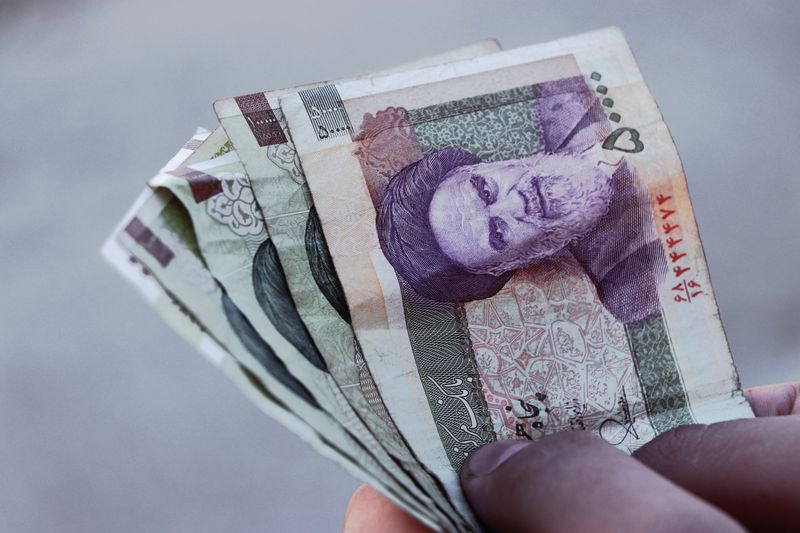
Prices in traditional bazaars are almost always quoted in toman, and friendly bargaining is part of the shopping experience. Negotiation is generally expected for higher-value purchases such as carpets, handicrafts, jewelry, and souvenirs, but not for everyday items like groceries or food stalls.
If you’re planning to buy Persian crafts, our guide to Iranian handicrafts explains what to look for and how to shop confidently.
📷Photo by Amir Choorchiani on Pexels
Taking Taxis
For traditional taxis, agree on the fare before the journey begins to avoid any confusion over the price or whether it was quoted in rial or toman. If you’re using local ride-hailing apps, the fare is displayed in advance, making the process much more straightforward.
Restaurants and Hotels
One of the easiest places to become confused is at the end of a meal. Printed menus, receipts, and hotel invoices are often in rial, while staff may quote the total aloud in toman without mentioning the currency. If the number doesn’t match what you expected, simply ask whether it’s in rial or toman—it’s a common question, and staff are happy to clarify.
Tipping
Tipping is appreciated but not obligatory. In restaurants, cafés, and for tour guides or drivers, rounding up the bill or leaving a small tip for good service is a thoughtful gesture. Some restaurants may already include a service charge, so it’s worth checking the bill before tipping again.
Paying with Cash
Although tourist debit cards are becoming more common, cash is still the easiest and most widely accepted way to pay, especially in traditional markets, smaller towns, local cafés, and family-run businesses. Keeping a mix of smaller banknotes is useful, as vendors and taxi drivers may not always have change for large bills.
Budgeting for Your Iran Trip
One of the biggest surprises for first-time visitors is how much value Iran offers. While the exchange rate changes frequently, everyday expenses such as meals, local transport, museum tickets, and many attractions remain inexpensive by international standards, making Iran one of the more affordable destinations in the region.
Rather than relying on fixed prices—which can quickly become outdated—plan your budget around your travel style. Budget travelers can eat well and get around comfortably at a relatively low daily cost, while those choosing boutique hotels, private guides, or multi-day tours will naturally spend more.
A few practical tips will help you avoid unnecessary stress:
- Don’t rely on ATMs. Iranian ATMs only work with local bank cards, so they cannot be used with foreign accounts.
- Keep some cash in reserve. Smaller banknotes are useful for taxis, cafés, local shops, and rural areas where change may be limited.
- Exchange enough money before leaving major cities. Licensed exchange offices are easy to find in places like Tehran, Isfahan, Shiraz, and Mashhad, but are much less common in smaller towns and remote regions.
With a little preparation, paying for your trip is straightforward, allowing you to focus on what matters most—exploring the country rather than worrying about your wallet.
Final Thought: The Currency of Trust
Money, in the end, is one of the smallest details of an Iran trip and one of the most telling. The rial-toman puzzle isn’t a barrier so much as an early lesson in how the country actually works — spoken and written life running in gentle parallel, each with its own logic, neither one wrong. Travelers who arrive expecting confusion tend to find, instead, a system that locals navigate with patience and good humor, always ready to clarify a price with a smile rather than a sigh.
What stays with most visitors isn’t the arithmetic of zeros and conversions, but the exchanges themselves — a vendor slowing down to make sure a fair price was understood, a taxi driver double-checking a fare aloud before the meter even starts. That small daily negotiation is, in its own way, a form of hospitality. It’s worth remembering that the currency in your pocket is really just a language, and like any language in Iran, it rewards a little patience and curiosity rather than perfect fluency.
Still an open question? That’s what we’re here for.
FAQs about Iran Currency
1. Is the toman the official currency of Iran?
No. The Iranian rial (IRR) is the official currency, and all banknotes and government transactions are denominated in rial. The toman is an unofficial but universally used unit in everyday spoken transactions, equal to ten rials.
2. How do I convert rial to toman?
Simply remove one zero from a rial amount to get the toman equivalent, or add one zero to convert toman back into rial. A price of 300,000 rials, for example, is 30,000 toman.
3. Can I use my credit or debit card in Iran?
No. Foreign-issued Visa, Mastercard, and services like PayPal do not work inside Iran due to its isolation from international banking networks. Travelers rely on cash or a locally issued tourist prepaid card instead.
4. What foreign currency should I bring to Iran?
US dollars and euros are the most widely accepted and easiest to exchange. Bring notes in clean, undamaged condition, since older or worn bills are sometimes refused or exchanged at a lower rate.
5. Where is the best place to exchange money in Iran?
Licensed exchange offices, known as sarrafi, in major cities offer the most transparent and competitive rates. Airport counters are convenient for a small initial amount but aren’t the best choice for exchanging larger sums.
6. Why does Google show a different exchange rate than what I get in Iran?
Iran has two exchange rates: an official government rate, which is usually what appears in search engines and currency converters, and a free-market rate used by exchange offices and everyday transactions. The free-market rate is the one that applies to travelers.
7. Is Iran actually changing its currency?
A redenomination plan was approved by Iran’s parliament in late 2025, which would eventually redefine the rial and introduce a subunit called the qeran. However, the Central Bank has up to two years just to begin rollout, so no changes have taken effect yet, and there’s nothing travelers need to prepare for in the near term.
8. Are ATMs available for tourists in Iran?
ATMs in Iran only work with domestic Iranian cards, so foreign bank cards cannot be used to withdraw cash. Travelers instead rely on cash brought from home or a locally issued tourist debit card.
9. Should I tip in Iran?
Tipping isn’t strictly required, but rounding up a bill or leaving a small amount for good service is a welcome and increasingly common gesture, particularly in restaurants and with private guides.
10. What happens to leftover rial or toman when I leave Iran?
Leftover cash can typically be exchanged back into foreign currency at official exchange offices before departure, though rates and availability can vary, so it’s worth changing back before heading to the airport rather than at the last minute.
0 Comment