

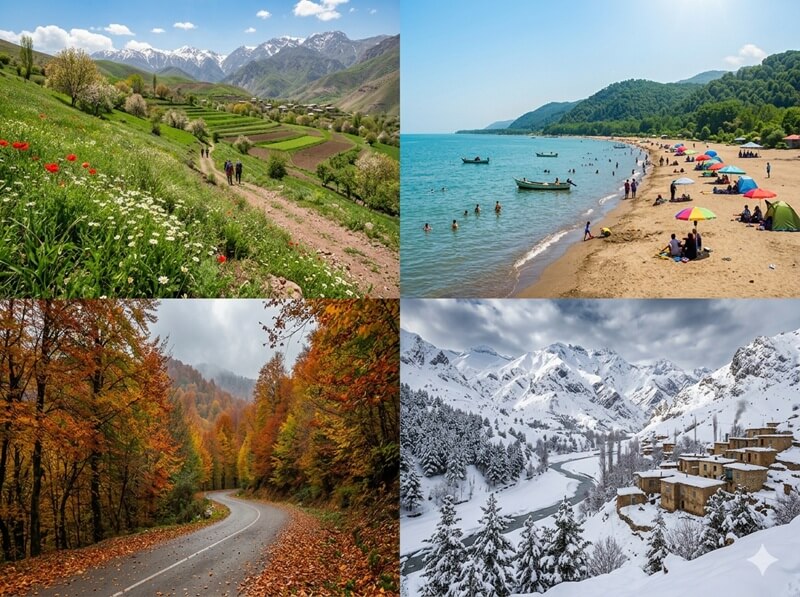
Table of Contents
Iran rewards travelers who plan smart. The best time to visit Iran splits into two clear windows: April through early June and September through early November. During both periods, the country’s iconic Classic Route — Tehran, Isfahan, Shiraz, and Yazd — settles into temperatures between 18°C–22°C (64°F and 72°F), making sightseeing genuinely comfortable.
Quick Verdict: Spring and autumn are the dual sweet spots. Summer bakes desert cities past 37.7°C (100°F). Winter closes mountain passes and chills nights hard. The shoulder seasons are where Iran shines.
But picking dates isn’t simply about weather. Iran operates on both a solar Persian calendar and a lunar Islamic holidays— and both reshape travel conditions dramatically. Festival crowds, prayer-month restrictions, and national holidays can flip a perfect forecast into a logistical headache overnight.
True success here means treating weather and the calendar as equal variables. The sections ahead break each season down month by month — starting with the beauty and hidden complications of spring.
Spring (March to May): Blooms, Beauty, and the Nowruz Factor
Spring consistently ranks as one of the best time to visit Iran, and it’s easy to see why. Wildflowers carpet the Alborz foothills, cherry blossoms frame ancient gardens, and daytime temperatures across most regions sit comfortably between 15°C and 24°C. It’s genuinely one of the most photogenic moments the country offers.
However, spring’s popularity comes with some logistical friction — only around Nowruz, the Persian New Year celebrated on or around March 21st.
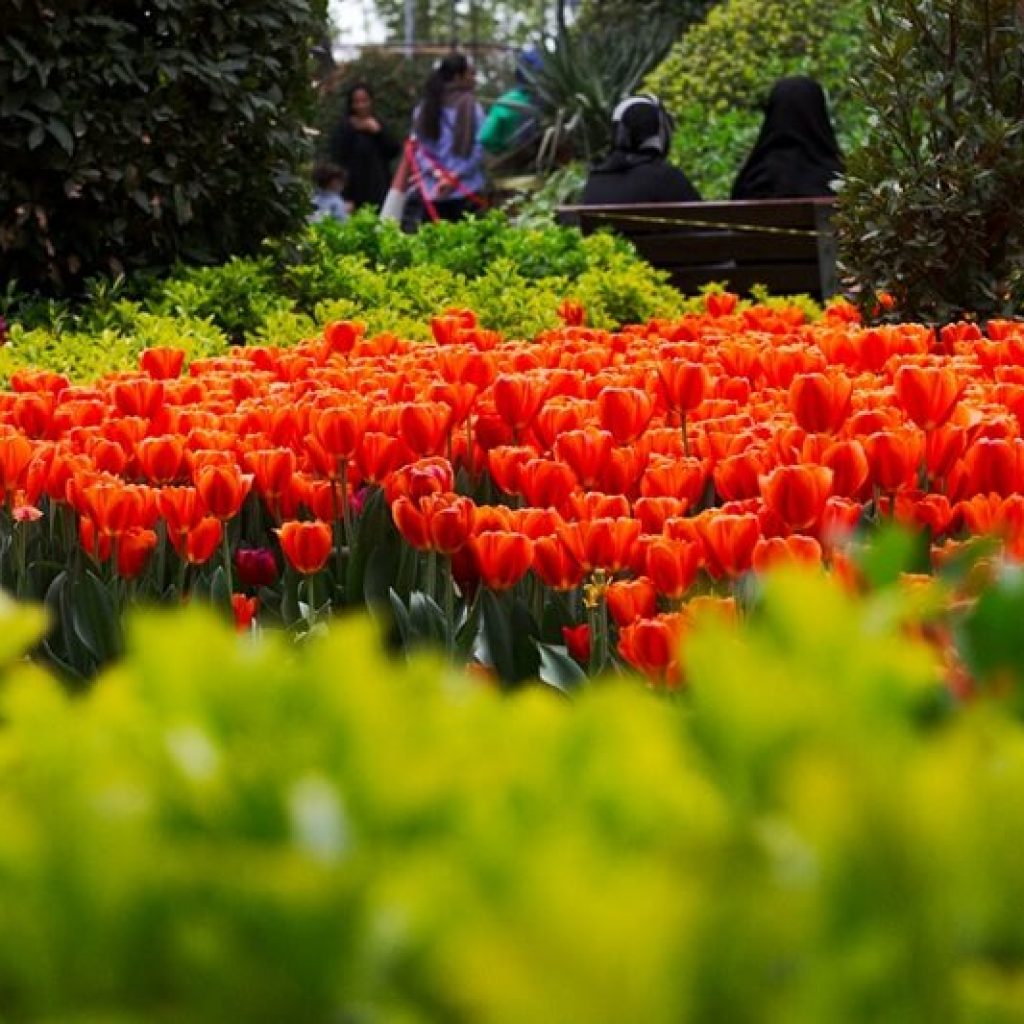
The Nowruz Factor: Opportunity and Obstacle
Nowruz is Iran’s most significant cultural event, and the two weeks surrounding it transform the country. Domestic travel surges dramatically — peak travel rates can increase by up to 25% during this period. For international visitors, this creates a double-edged situation. On one hand, you’re witnessing a living, breathing cultural celebration that’s over 3,000 years old. On the other, planning your Iran trip around this period requires serious advance preparation.
Hotel availability collapses fast. A common pattern is that properties convert single rooms into doubles to maximize capacity, meaning solo travelers often pay premium rates for space they don’t need. Booking three to four months ahead isn’t overcautious — it’s essential.
Weather adds another layer. According to Holiday Weather, Tehran’s wettest month is March, averaging 50mm to 62mm of rainfall across roughly 11 rainy days. Pack accordingly.
Nowruz Survival Guide
Pros:
- Witness Iran’s most important cultural festival firsthand
- Exceptional hospitality as locals celebrate with family and visitors
- Landscapes at peak beauty — green, blooming, and lush
Cons:
- Hotel prices surge significantly; single-to-double room conversions common
- Major sites and roads crowded with domestic tourists
- Most businesses close for up to two weeks
April and May sidestep most of these complications while preserving everything that makes spring special. That said, as temperatures begin climbing toward June, the travel calculus shifts considerably — which is where summer’s complicated trade-offs come into focus.
Summer (June to August): Heat and Low-Season Perks
Summer in Iran is not for the faint-hearted. Temperatures in central and southern cities like Isfahan, Shiraz, and Yazd routinely exceed 40°C (104°F), turning ancient stone streets into radiating ovens by midday. If spring’s appeal — covered in the previous section — centers on ideal weather and the buzz around the Nowruz period, summer sits at the opposite extreme.
The Heat Challenge
The physical discomfort of summer heat is real for every traveler, but it lands harder for women. Iran’s mandatory dress code requires covering hair, arms, and legs regardless of temperature. As Mike Pullman of Responsible Travel notes, “if you can handle the heat you could go in the summer because it would be quieter… but the heat can be particularly challenging for women who must adhere to local dress codes.“ Lightweight, breathable fabrics help, but there’s no fully comfortable solution at 100°F+. Dehydration is a genuine concern, and midday sightseeing becomes genuinely punishing. The north offers relief — Tabriz and the Caspian coast stay significantly cooler — making those regions a smarter summer focus.
The Budget Opportunity
Low-season travel does have its rewards. Tour group traffic drops sharply, meaning iconic sites like Persepolis see far fewer visitors. Hotel rates soften noticeably, and negotiating prices becomes easier. For travelers planning their visa and logistics well in advance, summer can mean real savings and uncrowded monuments — if the climate is manageable.
Those who find summer’s trade-offs too steep will be glad to know that another ideal window is just around the corner.
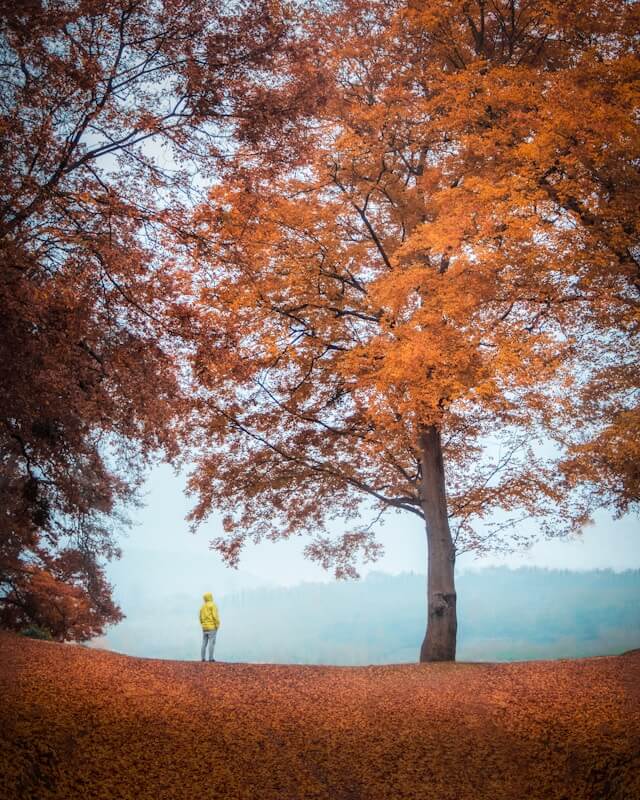
Autumn (September to November): The Second Golden Window
If spring is Iran’s headline act, autumn is its best-kept secret. For travelers who’ve missed the Nowruz window, this three-month stretch delivers everything spring promises — warm days, golden landscapes, and cooperative skies — without the crowds.
Stable conditions define the season. Late September to early November offers a temperature profile remarkably similar to spring but with significantly lower rainfall. Afternoons hover comfortably between 15°C and 24°C (60°F-75°F) across central Iran, and the persistent clear skies make this arguably the best time to visit Iran for photography and outdoor exploration.
Harvest season adds a sensory layer that spring simply can’t compete with. Pomegranate orchards blaze deep crimson across the hillsides, saffron fields in Khorasan bloom in stunning purple waves, and roadside stalls overflow with fresh dates, figs, and walnuts.
| Factor | Spring (Mar–May) | Autumn (Sep–Nov) |
|---|---|---|
| Temperature | Warm, rising | Warm, falling |
| Rainfall | Moderate–high | Low |
| Domestic crowds | Very high in Nowruz holidays | Moderate |
| Harvest experiences | Wildflowers | Pomegranates, saffron |
Domestic holiday traffic is notably lighter than Nowruz, meaning guesthouses in Kashan and Shiraz are easier to book and significantly more affordable. If you’re still sorting out entry requirements, visa processing timelines are worth reviewing well in advance regardless of season.
As autumn fades into November, temperatures in northern and western Iran begin their sharp descent — setting the stage perfectly for winter’s surprising offerings.
Winter (December to February): Skiing and Desert Solitude
Winter is the most polarizing season on the Iranian travel calendar. Late November through February is considered the low season, with subfreezing temperatures gripping the north, west, and mountainous interior. For most sightseeing-focused travelers, those conditions are a deterrent. But for a specific kind of adventurer, winter is quietly one of the best seasons to visit Iran.
Winter highlights worth knowing:
- Skiing in the Alborz Mountains: Iran’s ski resorts — particularly Dizin and Shemshak near Tehran — draw enthusiasts from across the region. The Alborz range receives reliable snowfall, and lift ticket prices remain a fraction of European alternatives. For travelers who want to combine mountain adventure with cultural depth, this is a genuinely underrated combination.
- Persian Gulf islands — the standout exception: While the mainland shivers, southern islands of Iran like Qeshm and Kish, enjoy mild, sun-drenched weather between December and February. Temperatures hover comfortably in the 15°C (60s°F), making this the peak window for island visits — and the crowds are thinner than spring.
- Desert trekking in solitude: The central deserts — Dasht-e Kavir and Dasht-e Lut — become surprisingly accessible in winter. The brutal summer heat retreats entirely, and cooler nights create dramatic stargazing conditions.
Each season carries its own logic — and the month-by-month breakdown coming up makes choosing your window even simpler.
Month-by-Month Quick Reference: Every Iran Travel Seasons at a Glance
This table gives you everything you need to make a smart decision fast. Use it to match your calendar to the right conditions, crowds, and budget.
The bottom line: every Iran travel season has something genuine to offer — it’s simply a matter of matching your priorities to the calendar. Peak seasons (April–May and September–October) reward those who plan early, while the quieter months suit budget travelers and adventure seekers willing to work around the extremes.
| Month | Weather Status | Crowd Level | Verdict |
| January | Cold; snow in mountains | Low | Best for Persian Gulf islands & skiing |
| February | Still cold; gradual warming | Low | Budget-friendly; island travel ideal |
| March | Mild but rainy; Nowruz begins | Very High | Beautiful but chaotic — book far ahead |
| April | Warm, lush, blooming | High | Peak perfection — don’t miss it |
| May | Comfortably warm | High | Second-best spring month; ideal for sightseeing |
| June | Heat ramps up fast | Moderate | Manageable early; southern cities brutal |
| July | Intense heat nationwide | Low | Challenging due to the heat |
| August | Peak heat and dryness | Low | Avoid unless desert solitude is the goal |
| September | Cooling, golden light | Moderate–High | Second peak window opens |
| October | Perfect temperatures | High | Arguably the year’s most underrated month |
| November | Noticeably cooler | Low–Moderate | Budget-friendly; great for cultural sites |
| December | Cold returning; festive | Low | Ski season begins; quiet and atmospheric |
Knowing when to go is only half the equation. Knowing how to get there — especially for American, Canadian, and British passport holders — is where the real planning begins.
Final Thought: Navigating Iran with Compassimo
Choosing the best time to visit Iran is only part of planning a successful journey. The other half is understanding the logistics — visas, transportation, regional weather differences, cultural events, and the type of experience you want from your trip.
Iran is not a one-size-fits-all destination. Spring and autumn are ideal for classic cultural itineraries through Tehran, Isfahan, Shiraz, and Yazd. Summer can work well for budget travelers, northern escapes, and quieter historical sites, while winter opens the door to skiing, desert adventures, and Persian Gulf island travel.
Travel style matters just as much as season:
- Cultural travelers usually prefer spring and autumn for comfortable sightseeing
- Adventure travelers often enjoy winter deserts or mountain regions
- Budget-conscious travelers may benefit from the quieter summer and winter months
- Photography enthusiasts typically favor spring blossoms or autumn colors
Timing also affects availability and pricing. Peak periods — especially April, May, September, and October — often require booking flights, hotels, and tours several months in advance.
For some nationalities, planning becomes even more important. According to the U.S. State Department and similar travel regulations, American, British, and Canadian travelers are generally required to travel with an authorized guide or organized tour while visiting Iran. For these travelers, arranging visas and tours together well ahead of departure is essential — ideally 2 to 6 months in advance depending on the season.
The good news is that with proper preparation, Iran remains one of the most rewarding destinations in the region. From navigating visa requirements to designing itineraries around festivals, weather, and personal travel goals, expert planning makes the experience far smoother and more enjoyable.
Key Takeaways:
- Spring and fall are peak seasons — book 3–6 months out
- Restricted-nationality travelers must use a guided tour
- Expert planning removes the complexity of visas and logistics
Ready to Plan your Trip?
Turn Iran’s ideal season into your perfect journey.
FAQs about Best Time to Visit Iran
1. What is the absolute best month to visit Iran?
For most travelers, April and October are considered the best months to visit Iran. During these periods, temperatures across major destinations like Tehran, Isfahan, Shiraz, and Yazd remain comfortable for sightseeing, usually between 18°C and 25°C (64°F–77°F). April offers blooming gardens and spring landscapes, while October brings dry weather, golden light, and fewer crowds than Nowruz season.
2. Is spring or autumn better for traveling to Iran?
Both are excellent, but they suit different travel styles.
Spring (March to May) is best for green landscapes, flowers, Persian New Year celebrations, and lively cultural energy. However, the Nowruz holidays in late March create large domestic crowds and higher hotel prices.
Autumn (September to November) offers similarly pleasant weather with fewer tourists, lower rainfall, and harvest-season scenery. Many experienced travelers consider autumn the most balanced season for comfort and logistics.
3. When should travelers avoid visiting Iran?
July and August are the most challenging months for most visitors due to extreme heat, especially in central and southern cities like Yazd, Shiraz, and Isfahan, where temperatures often exceed 40°C (104°F).
That said, summer is not necessarily a bad season for everyone. Budget travelers, photographers seeking empty sites, and travelers focusing on northern Iran or the Caspian coast may still enjoy this period.
4. Is Iran crowded during Nowruz?
Yes. Nowruz, the Persian New Year holiday beginning around March 21, is the busiest travel period in Iran. Millions of domestic travelers move across the country during these two weeks, causing hotels, transportation, and tourist attractions to fill quickly.
If you want to experience Iran during Nowruz, booking hotels, flights, visas, and tours at least 3 to 6 months in advance is highly recommended.
5. What is the cheapest time to visit Iran?
Winter (excluding New Year holidays) and the peak summer months are generally the cheapest times to travel to Iran. Hotels often lower their rates, tour availability improves, and major attractions become quieter.
Budget-conscious travelers can find excellent value during February, June, and November, depending on the regions they plan to visit.
6. Is winter a good time to visit Iran?
Winter can be surprisingly rewarding for travelers interested in skiing, desert adventures, or Persian Gulf islands.
Northern mountain regions receive heavy snowfall, making ski resorts like Dizin and Shemshak popular winter destinations. Meanwhile, southern islands such as Qeshm and Kish enjoy mild temperatures and sunny weather, making them ideal escapes from colder climates.
Winter is also one of the best seasons for desert trekking and stargazing in central Iran.
7. How far in advance should I plan a trip to Iran?
For spring and autumn travel, planning at least 2 to 4 months ahead is recommended. During peak periods like Nowruz or October, booking 3 to 6 months in advance is often necessary for the best hotel and flight options.
Travelers requiring guided tours or more complex visa arrangements should begin planning even earlier.
8. Do US, UK, and Canada Citizens need guided tours in Iran?
In most cases, yes. American, British, and Canadian passport holders are generally required to travel with authorized guides or organized tours while visiting Iran. Visa approval procedures for these travelers also tend to take longer than for many other nationalities.
Because regulations can change, travelers should always confirm the latest requirements before booking.
9. What is the best season for an Iran cultural tour?
Spring and autumn are widely considered the best seasons for cultural tours in Iran. Comfortable temperatures make it easier to explore UNESCO World Heritage sites, bazaars, mosques, gardens, and historical cities without the extreme heat of summer or cold winter conditions.
These seasons are especially ideal for first-time visitors following Iran’s classic travel route.
10. What is the best time to visit Iran for photography?
Photographers usually prefer April, May, September, and October.
Spring provides colorful gardens, snow-capped mountains, and soft green landscapes, while autumn offers warm golden light, harvest scenes, and dramatic desert sunsets. Both seasons also provide more comfortable conditions for long outdoor photography sessions.
11. Can you visit Iran during Ramadan?
Yes, but the experience changes noticeably during Ramadan. Restaurants and cafés may operate with limited daytime service, and eating or drinking in public during daylight hours is discouraged.
At the same time, evenings become highly atmospheric, with busy streets, family gatherings, and traditional Ramadan foods appearing after sunset. Travelers interested in cultural experiences may find this period especially memorable.
12. Which part of Iran has the best weather year-round?
Northern Iran and the Persian Gulf islands tend to have the mildest year-round climate extremes.
The Caspian coast remains greener and cooler during summer, while islands like Kish and Qeshm are most pleasant during winter. Central Iran — including Isfahan, Yazd, and Shiraz — experiences the strongest seasonal contrasts.
0 Comment